


We may earn a commission on purchases made through links.
As you slip on your gardening gloves and head outside in the morning to water your plants, it can be disheartening to see large holes in the leaves. These are the infamous signs of snails and slugs, among others . While there isn’t one magical solution to get rid of your snail and slug issues for good, it is possible to utilize certain remedies as part of your strategy. One such solution might include a bathroom item you may already own: petroleum jelly. Also commonly known by the brand name Vaseline, petroleum jelly may control slug and snail issues in containers and raised garden beds when applied strategically and used alongside other .
If you have petroleum jelly in your medicine cabinet, chances are you use the product for its traditional purpose as a skin healing agent and protectant. Using petroleum jelly in the garden may seem strange, but there are . Although there is not a widely scientifically proven strategy for managing snails and slugs, there is some anecdotal evidence to support this approach. Instead of acting as a barrier for human skin, petroleum jelly is thought to provide an oily barrier that slugs and snails may have problems gaining traction upon when trying to access your plants. The key with this method is the ability to protect plants that are in pots and raised beds only, since these slithering pests must crawl to access them.
Tips for using petroleum jelly to protect plants from slugs and snails
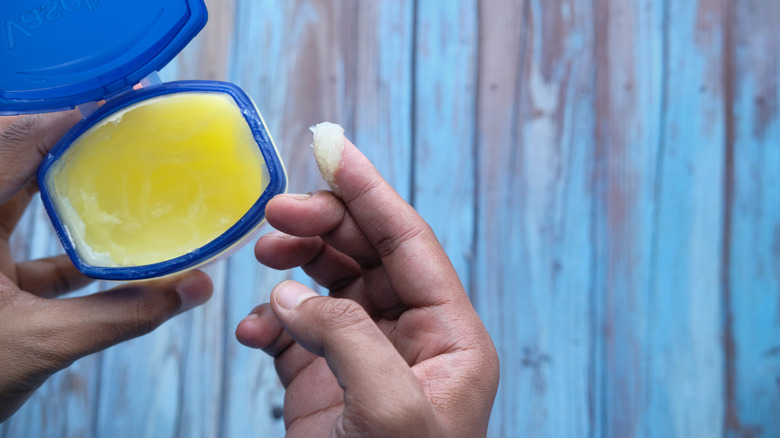
Not only is this petroleum jelly hack for snails and slugs inexpensive, but the instructions are relatively straightforward. Just apply the product along the edges of containers or beds in a uniform fashion to create a slippery barrier. Don’t be afraid to add a thick layer — in theory, the larger the petroleum jelly-based barrier, the more challenging it will be for snails and slugs to slither their way to your plants. Also, you can have any regular petroleum jelly container, whether you have a jar or a squeezable bottle. If you experience positive results with this hack, you may want to stock up on some extra containers during peak snail and slug season in the spring and fall months (consider this four-pack of
Despite the anecdotal evidence to support this petroleum jelly hack, it is important to incorporate other methods of slug and snail control for best success. Start by removing their favorite daytime hiding spots from around your garden, such as wood piles, leaves and rocks. Avoid covering your plants with too much mulch in which these insects can hide.
You can’t just apply an oily substance and forget about it. Reapply the product after rainy, hot or humid days to maintain continued plant protection. It’s also a good idea to keep a sharp eye out for any slugs or snails that might inevitably cross the petroleum jelly barrier. Handpick any slugs and snails you find on your plants, especially during evening inspections.



