


Today’s homes are tighter and more energy efficient than ever. While these new homes offer many advantages, this type of construction can contaminate indoor air quality. It is important to be aware of potential asthma and allergy triggers in the home, including dust, pollen, pet hair and dander, dust mites, mold and mildew, lint, fungus, tobacco smoke, cooking grease, smoke from cooking or fireplaces, and bacteria and viruses. Volatile organic compounds (VOCs) can also be released into the air from cleaning products, paints, furnishings and building materials.
But the right type of filtration system paired with an effective HVAC system can help reduce airborne allergens and filter fine particles that enter your home, says Sean Goddard, product manager, coils and indoor air quality (IAQ). American Standard Heating and Air ConditioningA company that prioritizes improving air quality and comfort for its customers. Here we explore how variable-speed heat pumps can deliver healthy air to a system to improve overall indoor air quality.
How modern HVAC systems affect indoor air quality
The most common sources of indoor air pollution in residential homes are everyday household particles and activities. Poor ventilation, improper humidity and inadequate air filtration allow these pollutants to accumulate and circulate throughout the home, says Goddard. “Signs that an HVAC system is not supporting good indoor air quality include excessive dust, persistent strong odors, high humidity or allergy symptoms in family members, headaches and respiratory irritation,” explains Goddard.
These problems often stem from clogged filters, improper humidity control, or mold growing inside the unit or ductwork. Goddard says the solution is to balance humidity, airflow, ventilation and filtration to fundamentally change not only how a home is heated or cooled, but how a home feels.
Here’s how each component of a heat pump HVAC system affects indoor air quality:
ventilation
Goddard says proper ventilation freshens a home by diluting indoor pollutants like stale air, airborne particles, excess humidity, odors and VOCs. “The result is air that feels cleaner, lighter and easier to breathe, creating a significantly healthier and more comfortable living environment.”
Modern HVAC systems typically integrate whole-house ventilation into the system’s ductwork and automatically control it, playing an important role in indoor air quality by bringing fresh outside air into the home and exhausting stale air. “Furthermore, solutions such as dedicated ventilation systems or American Standards Energy recovery ventilator (ERVs) work with heating and cooling equipment to introduce fresh air at a controlled rate without sacrificing comfort or efficiency,” explains Goddard. These premium ventilators retain heat and moisture from the air in the winter, but dehumidify incoming air in the summer, so your home stays comfortable year-round. Improves oxygen levels; and supports clean, healthy indoor air year-round,” he says.
Filtration
Goddard says that today’s HVAC filtration systems are highly effective at capturing common indoor pollutants, but only when the right filters are used and maintained properly. “High-quality modern filters are designed to trap particles before they recirculate into the home, helping to reduce allergens and irritation.” Some advanced filters and systems can capture even smaller particles, including some airborne microbes.
But when the filter is clogged with dust and debris, airflow is restricted, forcing the system to work harder and reducing filter performance. “This can circulate dirty air and increase the likelihood of allergy and asthma symptoms, which is why regular filter changes (every 30 to 90 days) and proper system design are essential for clean, healthy indoor air,” notes Goddard.
High efficiency filtration systems viz AccuClean whole-home air cleaner Remove fine particles and allergens that can make the air feel heavy or irritating. “It uses high-quality technology to remove up to 99.98 percent of airborne particles from the air to reduce harmful bacteria and allergen triggers from the home, such as pollen, dust, pet hair and more,” says Goddard. Additionally, it ensures cycling of fresh air into the home, replacing stale indoor air.
temperature
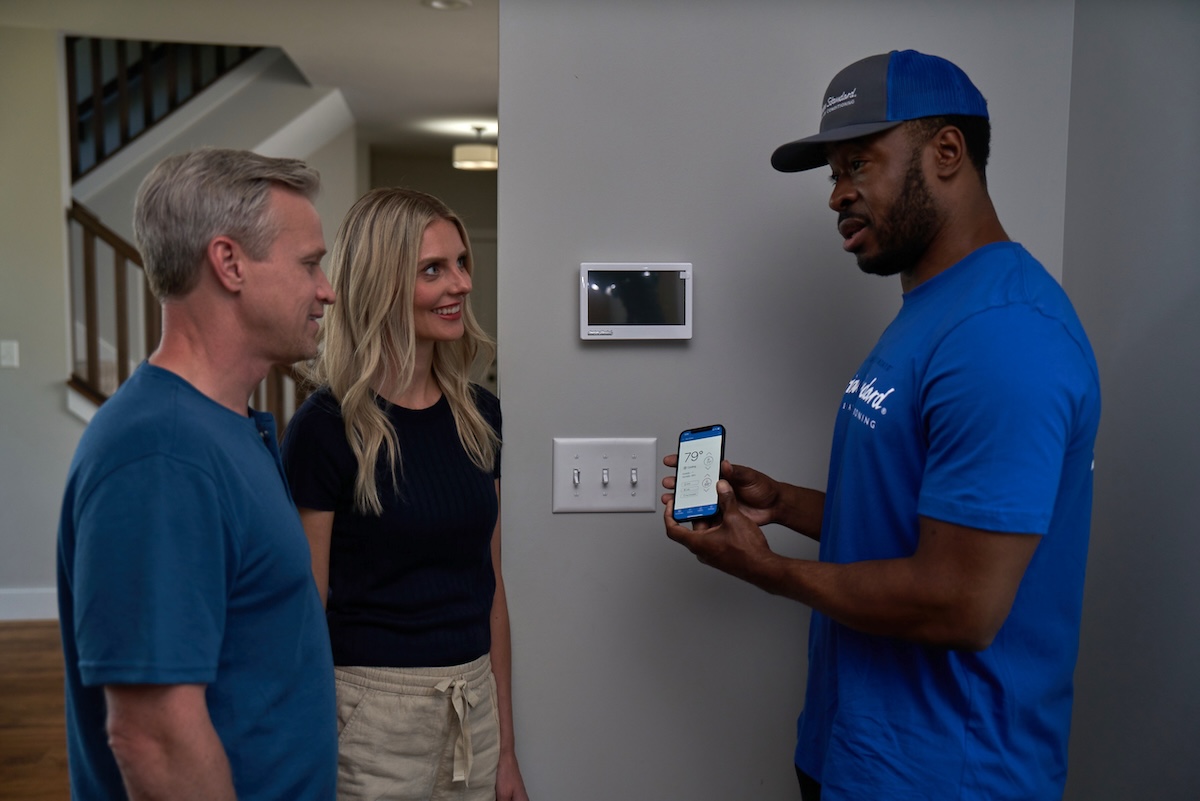
By installing a smart thermostat, you can control the level of comfort in your home. American standard Smart thermostats Include features like communication technology, advanced scheduling capabilities, built-in alerts and more to help simplify temperature and humidity control in your home.
These thermostats are available in a variety of sizes, shapes and capacities to connect to every type of HVAC system. Not only will you save money and energy, but you’ll be able to control your system from anywhere at any time. There is also a Home App option so your American Standard dealer can monitor and diagnose your HVAC system remotely.
humidity
Controlling humidity is important to keeping your home safe. If it’s too high, mold and mildew can form, which can damage your HVAC system, carpets, wood floors, drywall and more. On the other hand, low humidity can worsen health problems like dry skin, sore throat or cough. Goddard says that when airflow, ventilation and filtration work together, humidity stays in the ideal range of 30 to 50 percent, which prevents the air from feeling sticky or overly dry.
American standard Variable-speed heat pumps The home can be programmed to maintain this humid sweet spot. “That range is key to reducing IAQ problems, especially since mold, dust mites and other air pollutants thrive in extremely low or high levels of humidity,” explains Goddard.
airflow
Air flow also plays an important role in maintaining healthy indoor air quality and maximum comfort indoors. “Steady airflow eliminates hot and cold spots and keeps the room feeling consistently comfortable,” says Goddard.
Goddard says variable-speed technology helps improve airflow by letting the heat pump run continuously at a lower speed instead of constantly turning on and off. “This constant circulation moves more air through the filter over time, helping to capture dust, dirt and allergens more effectively.” Stable airflow also reduces stress on the system, supports better humidity control, and uses less energy, resulting in cleaner, healthier air and more efficient operations year-round.
How variable-speed heat pumps improve indoor air quality
Conventional HVAC systems typically operate at a single speed and cycle on and off as needed. While this approach can be effective, it can result in occasional temperature fluctuations and different levels of humidity and air purification compared to more continuously adjusted systems.
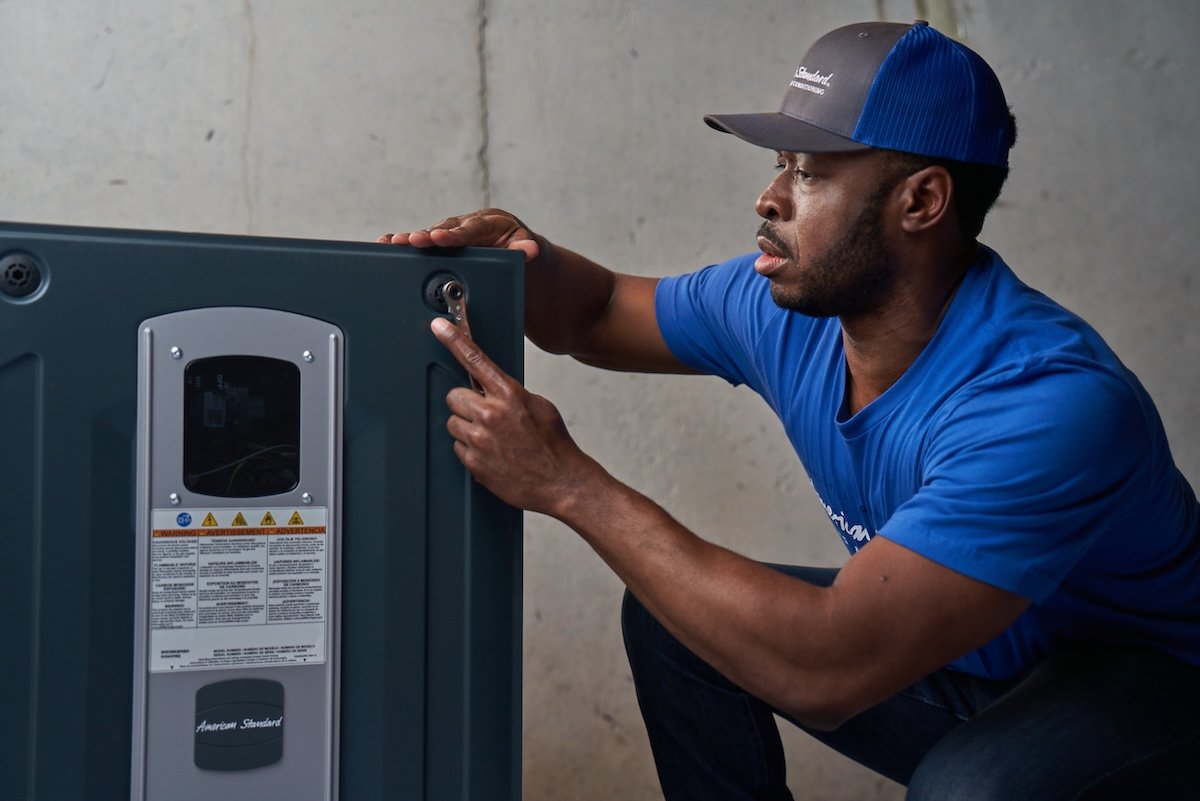
On the other hand, like variable-speed heat pumps American Standard’s AccuComfort Variable Speed Platinum 20 Heat Pump Create a stable, comfortable and clean indoor environment while also providing high energy efficiency. “Variable-speed heat pumps support better indoor air quality than traditional furnace-and-air-conditioner systems because they run longer and more continuously, rather than turning on and off,” explains Goddard.
“By automatically adjusting its output to match the specific needs of the home, the variable-speed system maintains tight temperature and humidity control,” adds Goddard. This stable operation improves dehumidification, reduces temperature swings and allows air to pass through the system’s filters more frequently, which helps remove more dust, allergens and airborne particles.
If you are interested in improving your indoor air quality with a variable-speed heat pump, contact your local American Standard Customer Care Dealer For more information and personal recommendations.
In the video below, American Standards Expert Sean Goddard explains four habits you can do to improve indoor air quality and save money:

Ask the Professional: How can I improve my home’s air quality while saving money?



