
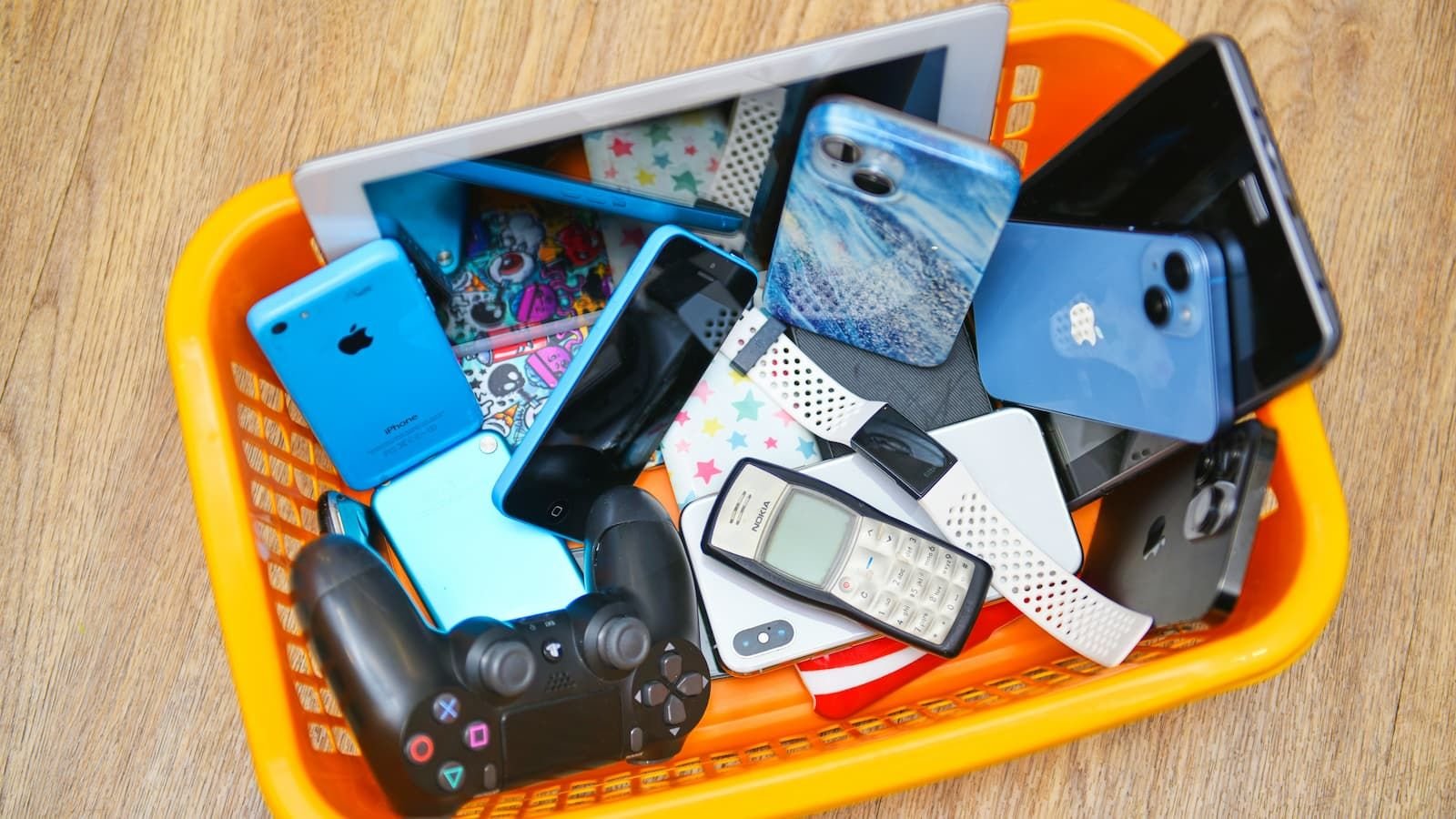

That drawer filled with old chargers, broken headphones and unused gadgets is a familiar sight in most homes.
What many people don’t know is that UK law gives them the right to recycle these items for free through shops and dedicated collection systems.
These regulations stem from the long-standing Waste Electrical and Electronic Equipment (WEEE) regulations, which require businesses to take responsibility for recycling electrical waste.

At the same time, new Simple recycling improvements It’s changing how household waste is sorted across the UK, clarifying what can and can’t go in the general bin – and highlighting the need for a separate route for electrical items.
What can you take back under the WEEE regulations?
Under WEEE regulations, many everyday electrical items can be returned for recycling.
This includes small household electronics such as chargers, cables, headphones, kettles, toasters, phones and other portable devices as well as larger appliances such as televisions and washing machines.
Retailers are legally required to provide recycling options for these items, either through an in-store take-back scheme or when a customer buys a replacement product.
In many large stores, small electrical items can also be dropped off for recycling without purchase.
How can you return recyclable electrical goods?

Recycling routes are built into the retail system. When purchasing a new electrical item, consumers are usually entitled to return the same old item for free recycling.
Many large retailers also provide dedicated collection points for small electrical goods such as cables and chargers. Online retailers are also required to support take-back arrangements, often through a return or collection system.
These responsibilities sit with businesses under UK Government regulations, meaning that households are not responsible for setting up recycling infrastructure themselves – only for using available options.
Why recycling regulations are now in greater focus
These recycling rights have existed for many years, but are becoming more relevant as household waste systems change.
New simplified recycling rules The aim is to make bin regulations easier to understand across the UK, but they also reinforce that electrical items should be kept out of general household waste and disposed of separately under WEEE regulations.
As systems are streamlined, more attention is paid to specialized routes for everyday electrical items such as chargers, cables and small gadgets.
At the same time, government policy continues to highlight retailer take-back schemes and collection points as the main legal way to manage e-waste outside the home.
As household waste regulations become more stringent, the distinction between general recycling and specialist electrical waste is becoming more visible – reinforcing the importance of using recycling routes that are already available.



