

There is a special kind of silence that exists only in places where something ancient happened and the moment you feel it, you immediately understand why people have been traveling here for decades.
I found that silence on a one-mile trail outside Flagstaff, Arizona, which began as a casual detour and turned into one of the more quietly profound experiences I’ve had in recent memory.
The trail is short. Deceptively, almost unfairly short for what it delivers.
Because what awaits at the end isn’t a scenic overlook or a beautiful rock formation with a helpful interpretive sign.
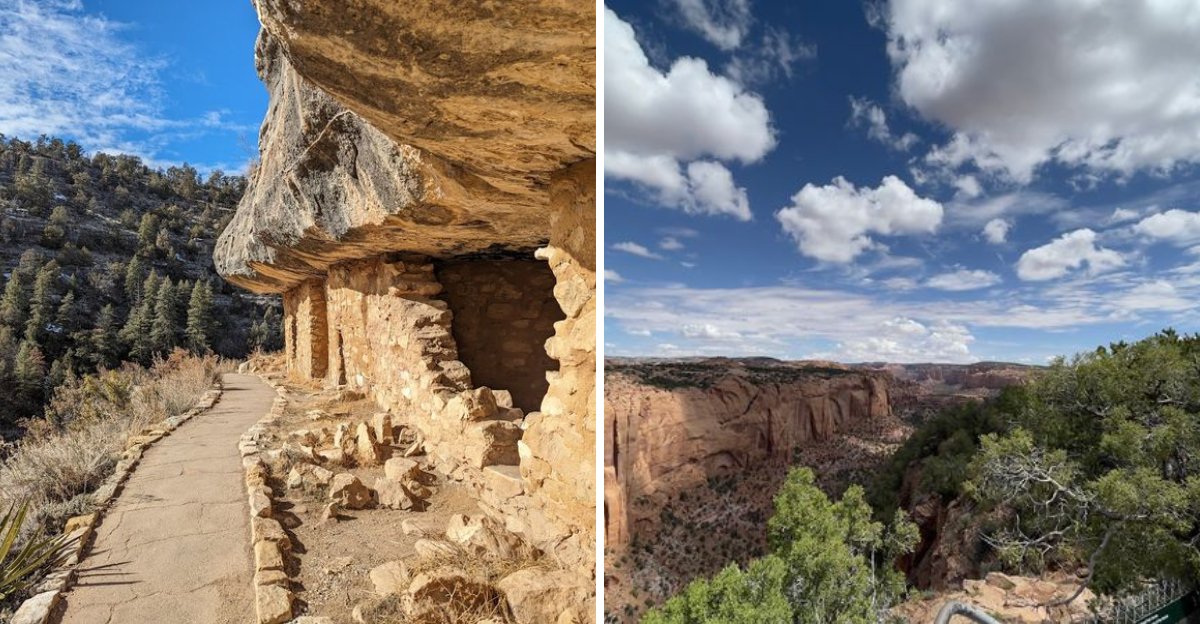
It’s an entire village, built directly into the canyon walls by the people of Sinagua eight hundred years ago, so well-preserved that you half expect someone to walk out the door.
Arizona has no shortage of ancient history, but this place makes it feel really personal. This one mile is earned for every step.
Walnut Canyon National Monument Overview
Walnut Canyon National Monument is located just seven miles east of Flagstaff, Arizona, off Interstate 40, and it truly deserves every ounce of the hype that surrounds it.
The monument preserves 80 cliff rooms built by the Sinagua people between about 1100 and 1250 CE. That’s not a typo.
Real people built real homes within the canyon walls eight centuries ago.
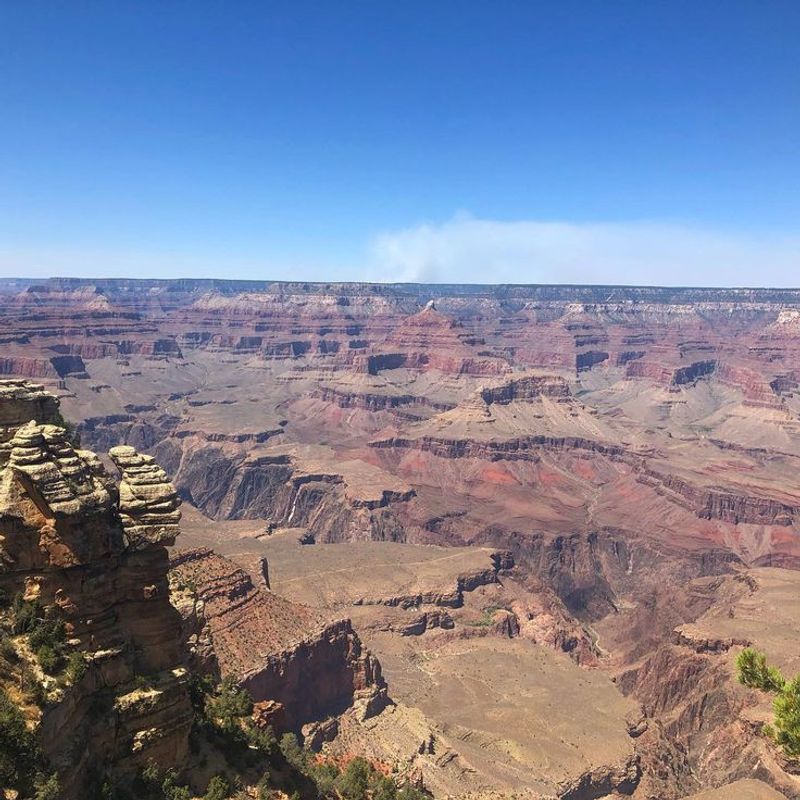
The canyon is about 400 feet deep and stretches for several miles. Limestone overhangs naturally sheltered the dwellings from rain and sun, acting like the built-in roofs that remain today.
The Sinagua were smart builders who used the land they were given.
Visiting feels less like a tourist stop and more like stumbling upon something never meant to be. The National Park Service manages the site, keeping it accessible while protecting its integrity.
The entrance fee is modest, and the visitor center at the rim offers solid reference before you hit the trail. Go early on weekdays if you want the canyon mostly to yourself.
Experience the Island Trail
The Island Trail is the star of the show in Walnut Canyon, Arizona, and it delivers in a way that seems almost inappropriate for a one-mile hike.
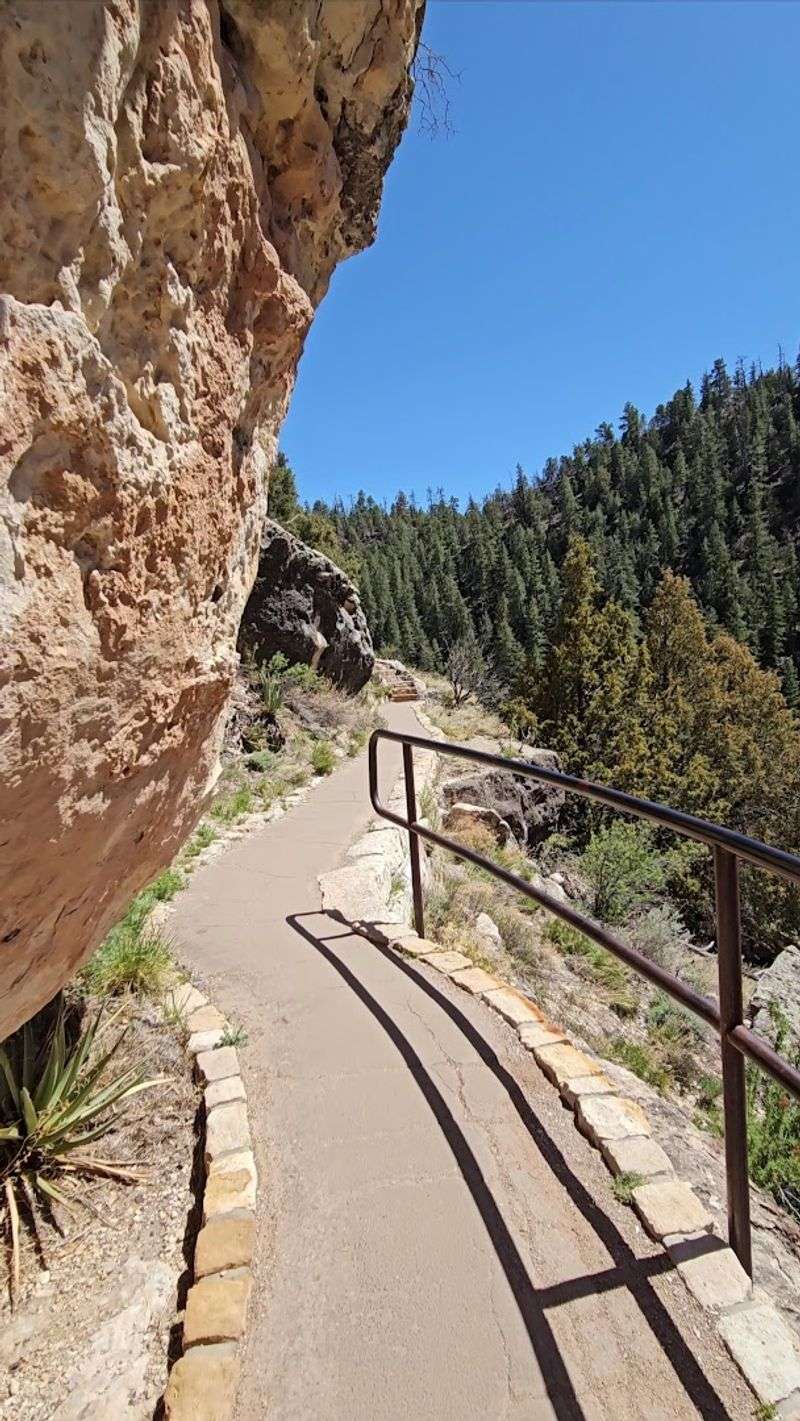
The trail descends about 185 feet from the rim via a series of stone steps, then loops around a rocky island surrounded by canyons on three sides.
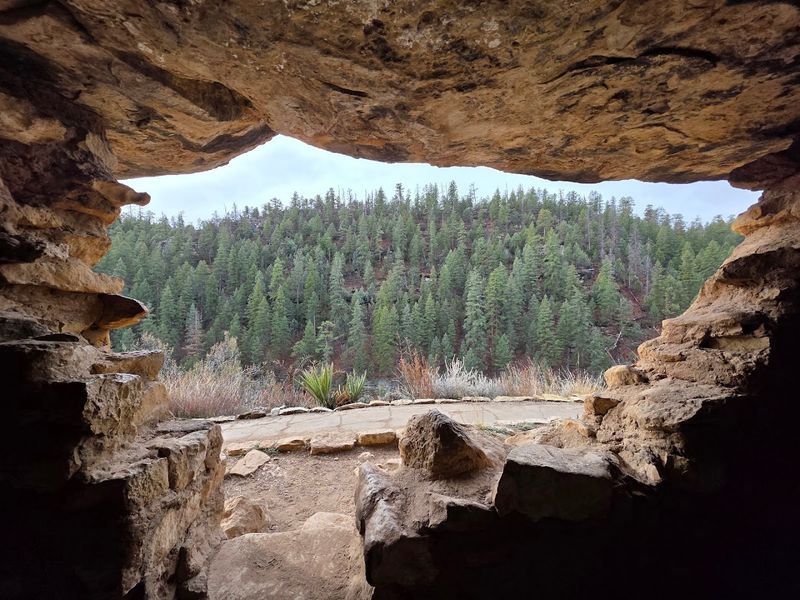
You walk straight through 25 cliff rooms, close enough to see inside some of them.
What makes this trail truly special is the proximity. There are no ropes to hold you back 50 feet from history.
There you are, walking in the same footsteps that Sinagua walked.
Some rooms still have ceilings blackened by ancient cooking fires, the kind of detail that makes your brain short-circuit a little.
The trail is wide but steep in sections, and the elevation is about 6,700 feet. If you’re not used to elevation, take your time on the way back.
The scenery of the island itself is spread across the canyon layers that look like they were painted by someone who had a lot of talent and free time.
The Sinagua People and Their Story
Before the trail, before the valley views, were Sinagua. The name means “without water” in Spanish, a nod to their remarkable ability to thrive in dry, high-altitude environments.
They were not people struggling to survive. They were skilled farmers, traders and builders who created a prosperous community within the valley.
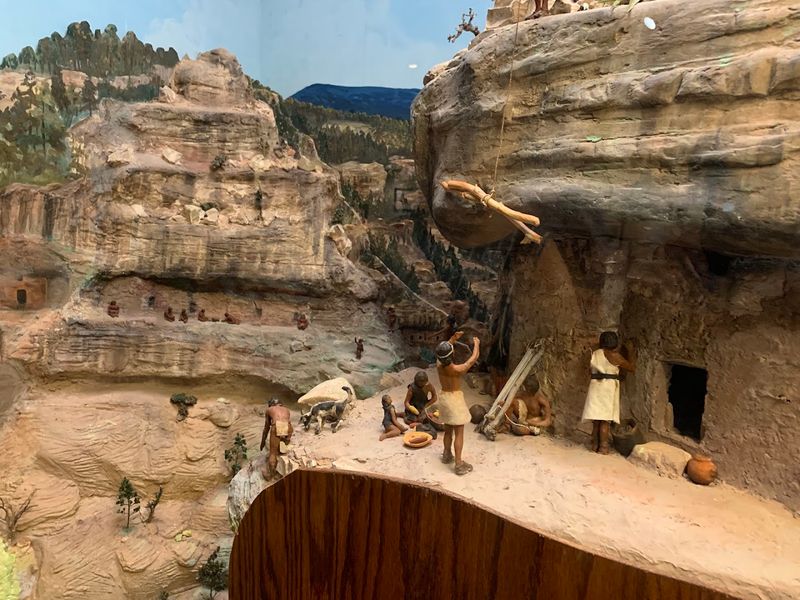
Archaeologists believe the Sinagua grew crops such as corn, beans, and squash on the rim of the valley, then retreated to their cliff dwellings below for shelter and safety.
The valley itself provided a slightly warmer microclimate than the surrounding plateau, which extended their growing season. It was no accident.
These people read the land well.
Around 1250 CE, Sinagua left Walnut Canyon. Researchers point to a combination of drought, resource depletion and social change as possible causes.
Their descendants are believed to include the modern Hopi and Zuni communities, who still maintain cultural and spiritual connections to the site.
Walking the trail with that knowledge changes the sightseeing experience to something that feels like reverence.
The Cliff Dwellings up close
Standing in front of the Sinagua Cliff Room for the first time is disorienting in the best possible way.
The walls are built from limestone blocks fitted together with impressive precision, no mortar holding them together, just careful placement and gravity doing its job.
The doors are small, shaped for people who are on average shorter than modern visitors.
Some rooms still show clear evidence of daily life. Soot marks line the ceiling above where the hearth once burned.
Shallow grinding stones called metates remain in some alcoves, simply worn from years of grain processing. This is not a reconstruction.
They are native, and the Park Service works hard to keep them that way.
The limestone rock sheltering the room is a masterpiece of natural architecture. They block direct sun in summer and retain heat in winter, making the dwellings truly comfortable by ancient standards.
Looking closely at the workmanship, it becomes clear that Sinagua was not improvising. They were building with intention, skill and a long-term plan.
The rooms were not temporary camps. They were at home.
Wildlife and plant life along the trail
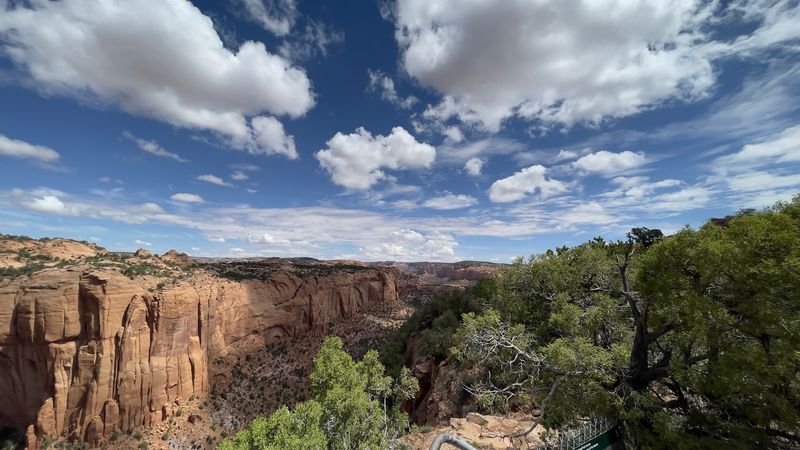
Walnut Canyon is not just an archaeological site. The ecosystem in this one canyon is surprisingly rich, and the trail gives you a front-row seat to it all.
The valley floor supports a riparian zone with large willow and box trees, while the rim is covered in ponderosa pine forest. In a single hike, you will pass through multiple plant communities.
Mule deer are commonly seen, especially in the early morning. Ringtail cats, wild turkeys and more than 100 species of birds have been documented in the monument.
Keep your eyes on the rock faces and you may see a white-throated swift rocketing out of the canyon at a speed that seems physically unreasonable for something so small.
The plant diversity is equally impressive. Cliff roses, agaves and various thors cling to the canyon walls, while the island structure itself supports a mix of shrubs and grasses.
The Sinagua used many of these plants for food, medicine, and building materials. Knowing that adds a layer of meaning to every clump of brush you pass.
The valley fed the people in more ways than one.
Rim Trail for a different perspective
Not everyone can handle the steep descent of the Island Trail, and that’s perfectly fine because the Rim Trail offers its own spectacular version.
This roughly three-quarter-mile loop stays on the canyon rim and offers great views of the canyon without a 185-foot elevation drop. It is accessible, flat and really beautiful in its own right.
From the rim, you can see the cliff dwellings from above, giving you a completely different appreciation for how they were located.
Strategic placement with dependent overhangs becomes evident from this angle. You can also find the Island Trail hikers below, which gives a nice sense of scale to the whole scene.
The Rim Trail passes several interpretive signs that explain the geology, ecology and history of the valley in clear, readable language.
Families with young children or visitors with mobility considerations will find this trail a truly satisfying way to experience the monument.
The sunrise and sunset views are especially spectacular, when the canyon walls turn golden to deep orange and the pines cast long shadows on the rim. Worth every step.
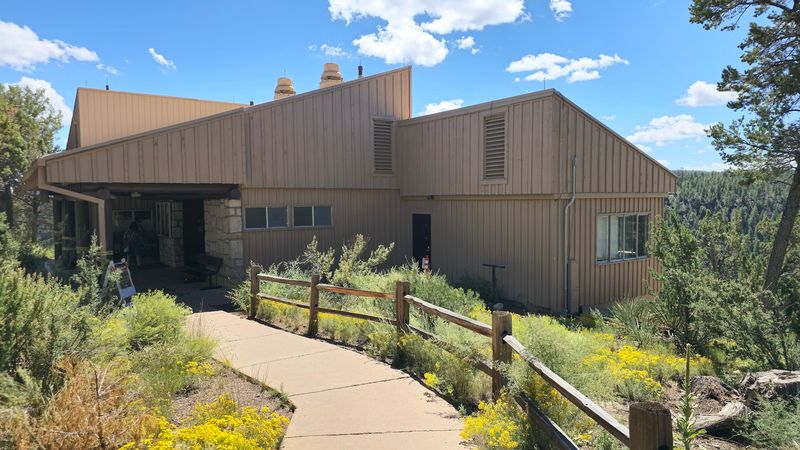
Visitor Center and what to expect before you hike
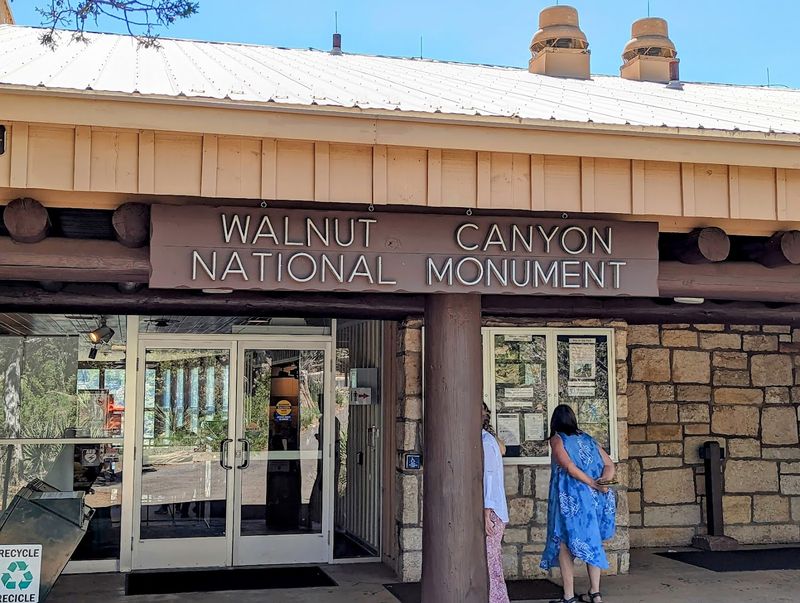
Starting from the visitor center it takes about 15 minutes and is really worth it.
The exhibits are well designed and move quickly through the main themes: Sinagua culture, valley geology and the history of the monument.
On display are original pottery fragments and tools that were found during archaeological excavations in the area. It resets your expectations of what it will be like to see them in person.
Park rangers are usually available for questions, and they are the kind of enthusiasts that make you realize they really love this place.
Ask about the lesser-known details of Sinagua’s daily life and you’ll likely get a five-minute answer that you didn’t expect to enjoy as much. Rangers also post daily wildlife sightings near the entrance, which is a nice touch.
The bookstore has a solid selection of regional history, geology, and nature guides if you want to go deeper after your visit. Restrooms, water, and a small picnic area are available near the trailhead.
Parking fills up fast on weekends between May and October, so arriving before 9am is actually a smart move, not just a suggestion.
Planning your visit
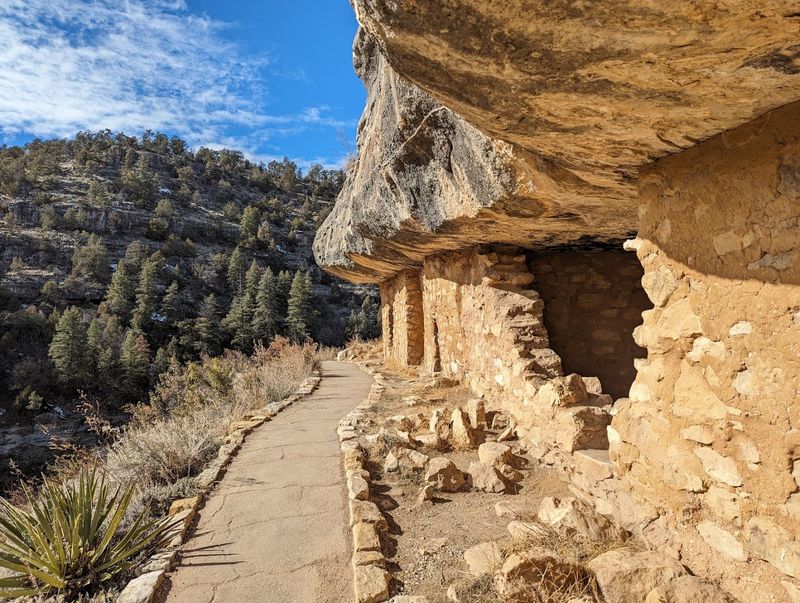
Walnut Canyon National Monument is open year-round, although winter snow can make the Island Trail slippery and occasionally close it temporarily.
The best place to visit is from late spring to early fall, when the trails are fully accessible and the valley is at its lushest. Autumn is especially good, when the trees in the valley change color and the crowds thin out considerably.
The entrance fee covers access to both trails and the visitor center. The America the Beautiful pass is accepted, a good deal if you visit multiple national parks or monuments in a year.
Bring water, even for a one-mile hike. The altitude and dry air at 6,700 feet will quickly remind you why hydration is important.
Sturdy shoes are recommended as the Island Trail has uneven stone steps.
Cell service is limited inside the canyon, so download offline maps before you go. It’s one of the most rewarding short drives you can do in Northern Arizona.



