


Project overview
Time to work: 20 minutes
total time: 20 minutes
skill level: a novice
Estimated cost: $15 to $30, depending on supplies already available
Before you begin
While bleach will kill sewer flies, it can also damage a home’s sewer and septic systems. The chlorine in bleach can also corrode metal components in water tanks and potentially contaminate the water supply. Skip the bleach and read on for safer methods to kill drain flies instead.
How to get rid of drain flies
Step 1: Identify the affected drains.
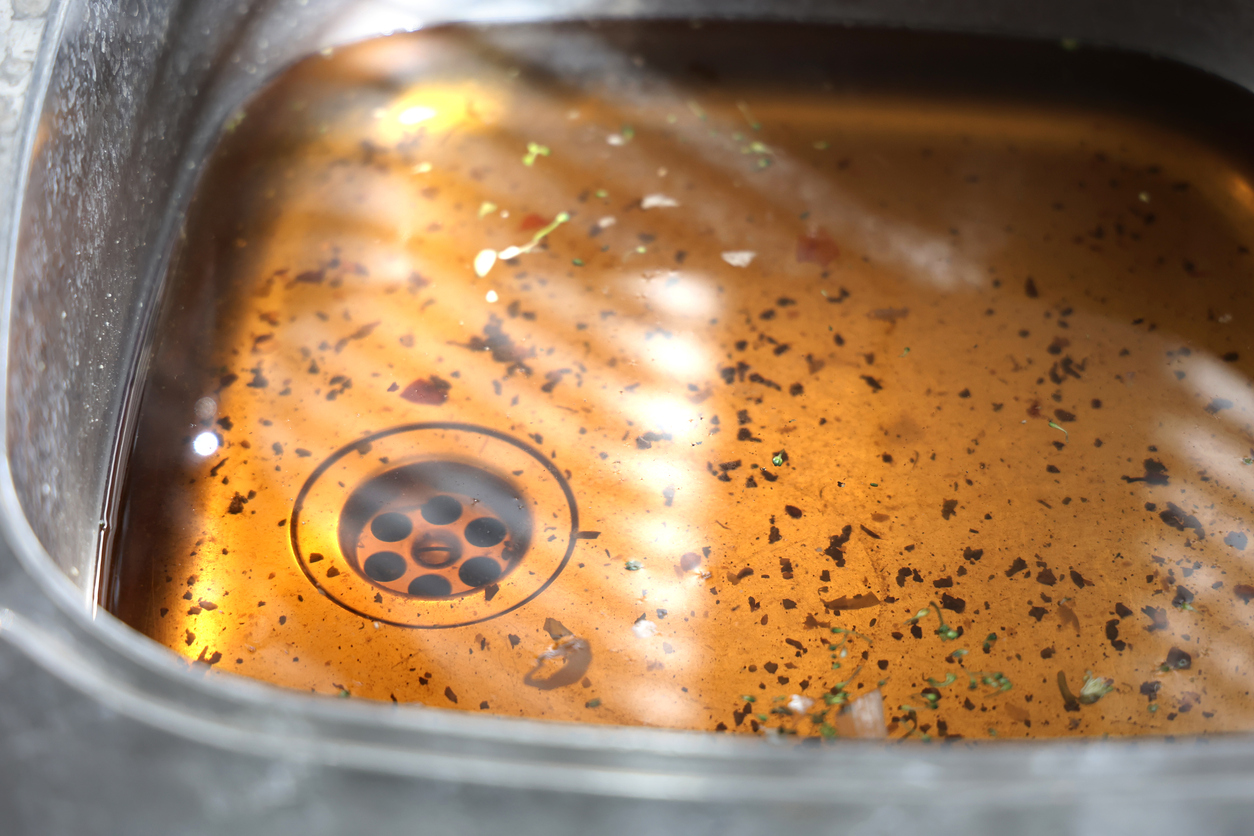
Before you rid your home of drain flies, you need to identify the affected drains. Adult drain flies prefer to feed and breed in slow-moving or clogged drains, as they provide plenty of decomposing material where the insects can complete their life cycle. If any of your drains are backed up, that’s likely the root of the problem.
To determine if you have a drain fly infestation, Mullins says, “Homeowners can see these tiny, flying insects near the drain, especially in the evening or at night. To confirm the problem, I recommend using a simple test: Place a piece of tape over the drain at night. If you find flies trapped on the tape in the morning, that’s a clear sign.”
You don’t want to block the air flow in the drain, so just make an “X” in the tape at each drain opening.
- Tape the drain before you go to bed and leave it there overnight to catch any insects that might try to fly out. (Drain flies are most active at night.)
- Check the tape the next morning for signs of bugs to determine which drains are the source of your fly problem.
Step 2: Use a drain snake to clear the affected drains.
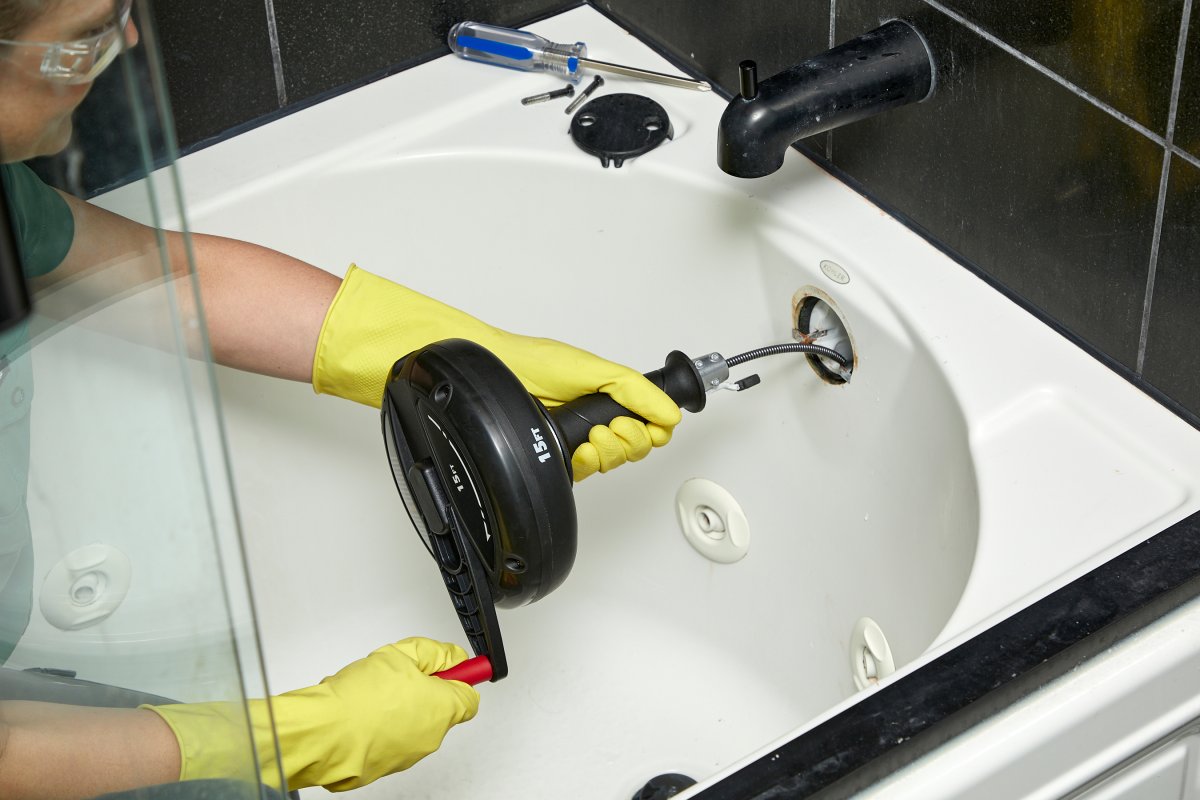
Once you identify the problem, you need to clean and eliminate the breeding zone of the flies. Resist the urge to pour a bottle of chemical drain cleaner down the drain. Doing so will not effectively remove the decaying material in your pipes and traps and is not good for your pipes.

Tried-and-true advice
“If you’ve cleaned your drain and still find a few drain flies flying around, you can make a simple DIY drain fly trap by putting some apple cider vinegar in a cup or jar.
Cover the jar or cup with a piece of plastic wrap, poke a few small holes in the plastic wrap with a pencil, and then place the jar in a location where drain flies are active. Like fruit flies, I find that drain flies are attracted to the sweet, fermented scent of the vinegar trap, but once they fly, they can’t get out of the jar.
-Lauren Landers, Contributing Writer
Instead, start by running hot water down the drain. Next, enter a Drain snake Or pipe brush and use a gentle up and down motion to remove built-up slime that coats the inside of the drain pipe. A Jumper Can also be used to help remove any material left from the pipes. Mullins also recommends another solution that can help get rid of your flies. “Remove any hair, debris, or gunk that could serve as a breeding site,” states Mullins. “Pouring a mixture of vinegar and baking soda down the drain can help break down organic matter and remove breeding sites.”
Step 3: Clear the U-Trap.
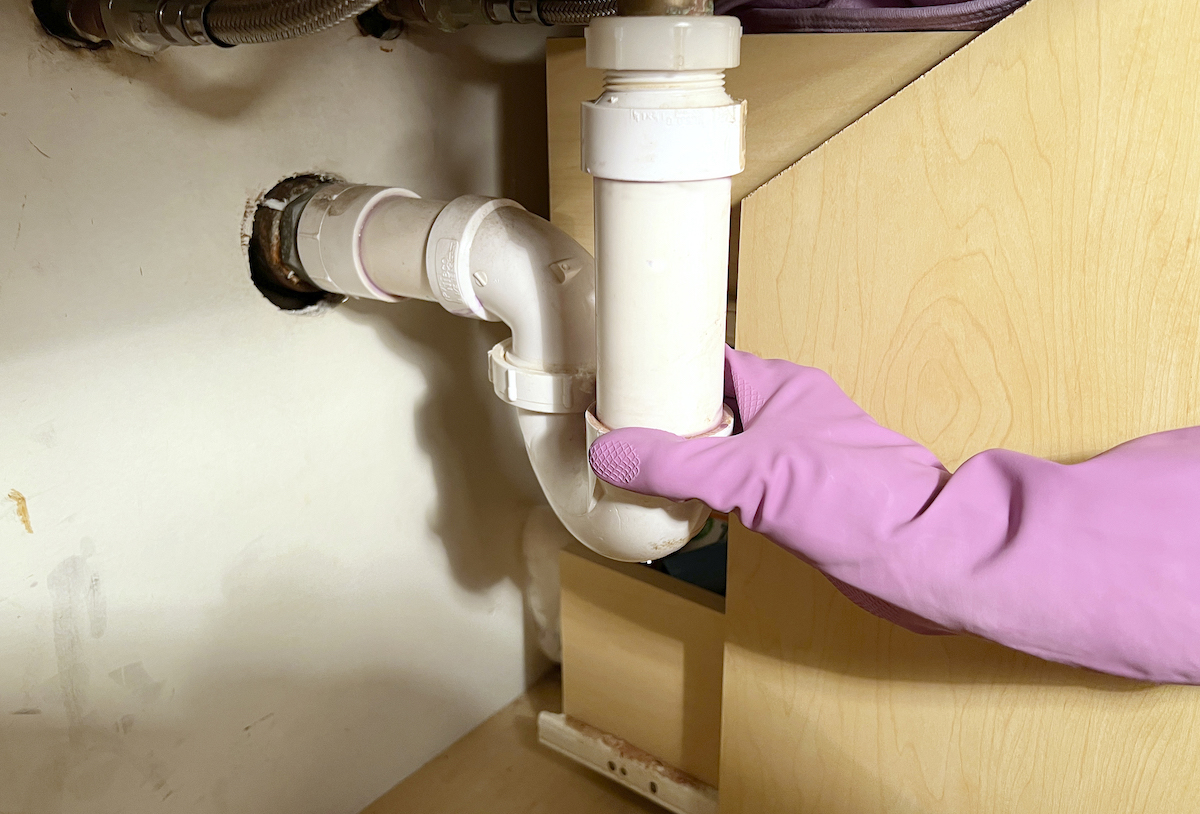
A U-trap (also called a P-trap) under your sink prevents toxic, foul-smelling sewer gases from entering your home through pipes. You will need to open it to remove any clog-causing debris that has accumulated inside. To do this, first place a large bowl under the drain to catch the runoff. Use a cloth to loosen one side of the U-trap and then loosen the other side. Remove the trap, pour any water into the bowl, clean the pipe and replace the trap.
Step 4: Use an enzyme drain cleaner to clean the drain of any remaining residue.
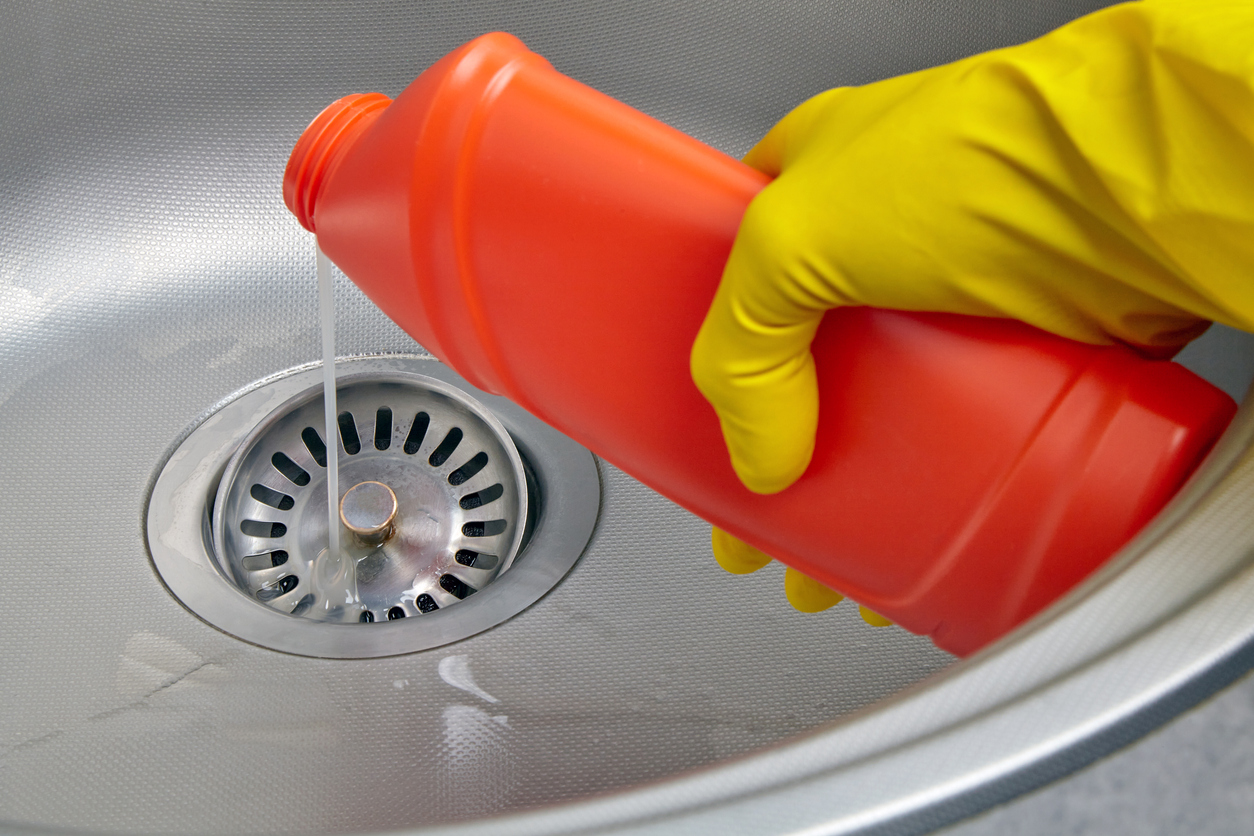
Once you’ve reconnected the U-Trap, pour enzyme drain cleaner down the drain to attack any debris that doesn’t come off with the pipe snake or brush. Green Gobbler’s Enzyme Cleaner Coating the pipe walls has the added benefit of preventing future blockages. Let the gel sit for the time specified on the label, and then run more water down the drain to flush it out.
After their breeding grounds are destroyed, adult flies have nowhere to lay their eggs and eventually disappear.
If your home still has a drain fly problem after a week, assume that you haven’t treated all the problem areas properly. Go back to step 1 to determine which drains still have the problem, and repeat the steps above to clean the infested drains.
Related: America’s Best Plumbing Services, Vated
How to prevent drain flies
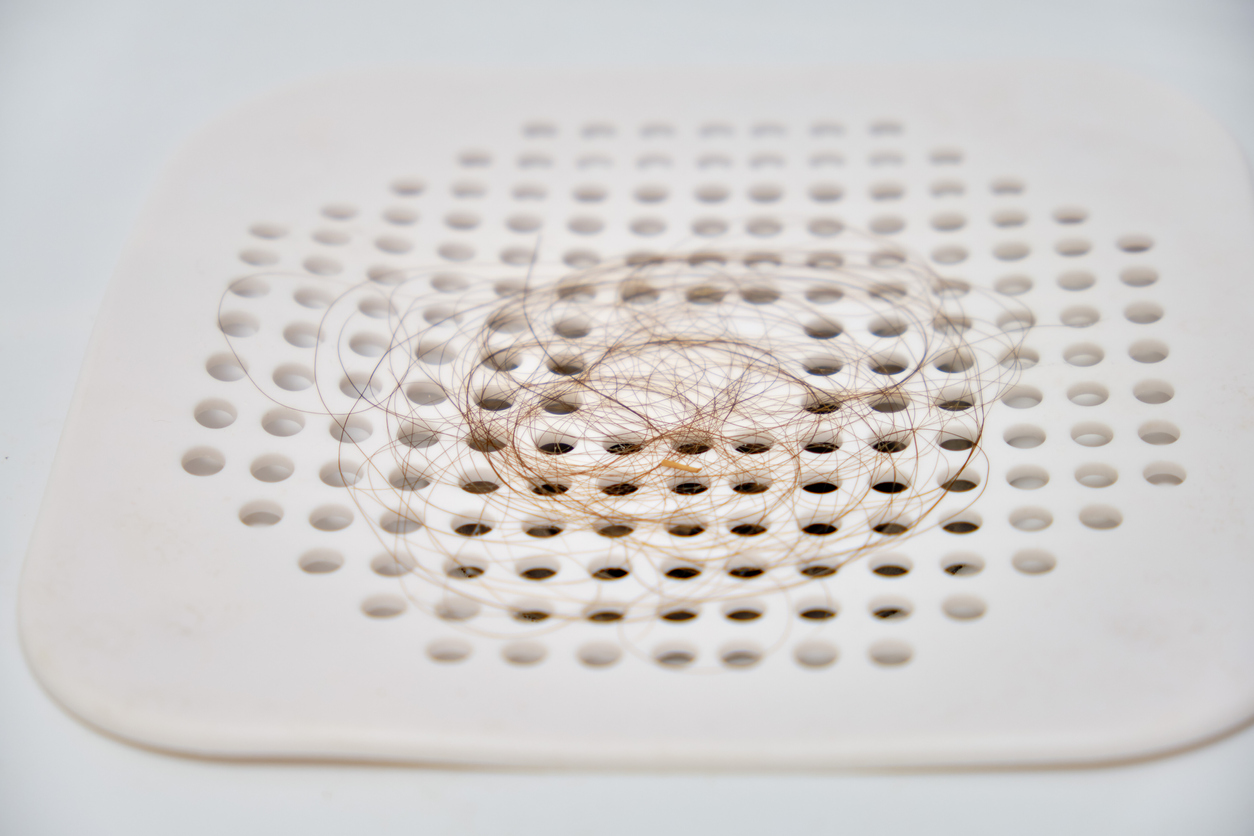
If you follow the steps above, you should be able to rid your home of sewer flies. To prevent pesky critters from returning, regularly clean your sinks, drains and drains and remove built-up matter that attracts flies. Also, fix any leaks as soon as you notice them, as sitting water also attracts flies. Finally, use Sink strainer And Hair catchers To prevent debris from entering the pipes and creating a potential breeding ground.
Final thoughts
Ridding your home of sewer flies is completely achievable with the right methods. Just remember that patience is key and it may take time to completely eliminate drain flies. To speed up the process, keep drains clean and dry, fix any plumbing leaks immediately, and use drain covers to prevent future infestations. By following the steps above, you can create a drain-fly-free space and prevent these pests from popping up in your home.

Homeowner Survival Kit



