


Buying bags of compost, mulch, compost and other garden additives can be expensive, plus the products can take up a surprising amount of space in potting sheds and garages. But if you live near the coast, you can reduce or eliminate the need for many of these store-bought products by harvesting your own seaweed to make seaweed compost, weed-free mulch, compost and more.
When I moved to coastal Maine, I wanted to make my garden more budget- and earth-friendly and decided to try using seaweed in my garden after reading about the many benefits that plant has. In this guide, I will share how I personally use seaweed, what worked and what didn’t, and tips on harvesting seaweed.
How seaweed can help the garden
Seaweed is one The best organic fertilizers for plants Because it is rich in macronutrients like potassium and nitrogen. But seaweed also contains micronutrients such as magnesium, calcium, iron, zinc, manganese, iodine, selenium and sulfur, which are often lacking in commercial fertilizers but are just as essential for healthy plants. Seaweed also contains many plant hormones that can stimulate root growth.
Here are some more reasons why I personally love using seaweed in my garden:
- It is free. Using seaweed can reduce the need for commercial fertilizers and mulch and save money.
- It is available all year round. Deciduous leaves make wonderful natural mulch, but they are only available in the fall. Coastal dwellers can collect seaweed, however, in any season, including winter.
- It is eco friendly. Using locally sourced seaweed reduces transportation costs and fuel usage and eliminates the need for plastic packaging of the product.
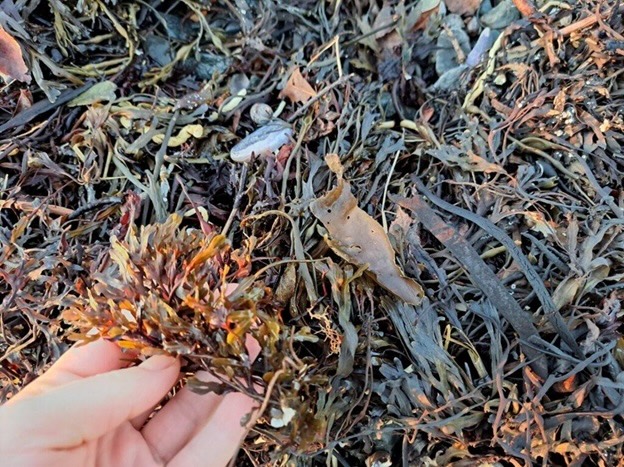
Seaweed mulch
The main reason I wanted to use seaweed in my garden was to eliminate the need for commercial mulch and save some green.
I collect a few buckets of seaweed at a time and immediately spread the fresh seaweed into my garden in layers 4 to 6-inches deep. After about a week, the seaweed dries naturally and is reduced to about half its original depth. Then, I put another 4 to 6 inches of seaweed on top and let that dry as well.
I have used this mulching technique in both vegetable and flower beds and found it works well to suppress weeds and insulate the soil. I notice that seaweed breaks down faster than many other mulches and needs to be replaced more often, but I don’t mind the extra work because it saves money, naturally feeds my soil, and Improves the overall texture and water-holding capacity of sandy loam soils. I’ve also seen fewer slugs and snails in beds I’ve planted with seaweed because it naturally contains salt and has a slightly spiky texture that snails don’t like.
The first time I used seaweed as mulch, I noticed that some small sandflies and beach hoppers were flying around my garden riding on the seaweed. I was initially worried that I had introduced new critters to my bed, but the “hitchhikers” disappeared after the seaweed dried. You can avoid these little bugs by washing the seaweed before use, but they don’t bother me or my plants, so I let them be.
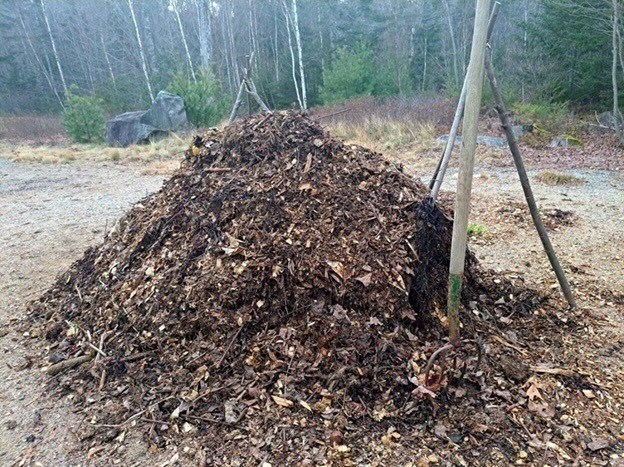
Seaweed fertilizer
If you practice, you can apply seaweed as a top dressing on the bed No-dig gardening method And want to increase the nutrients in your soil. However, I prefer to use seaweed to make a simple organic liquid plant food, which I think The best fertilizers for my houseplants.
To make seaweed compost, I simply fill a 5-gallon bucket two-thirds full with washed seaweed, fill the rest of the bucket with water, and secure the lid. Then, I let the seaweed soak in my garden for about 2 to 4 weeks and finish by straining the pieces of seaweed. This fertilizer can be used as a soil drench or foliar spray on mature plants. You can also dilute it to 1/10 strength with water and apply it to seedlings to help them root faster.
It is important to note that seaweed is not a perfect fertilizer and works best when combined with other products. For a balanced natural fertilizer, bone meal has lots of phosphorus and seaweed lots of potassium, so I personally like to use that.
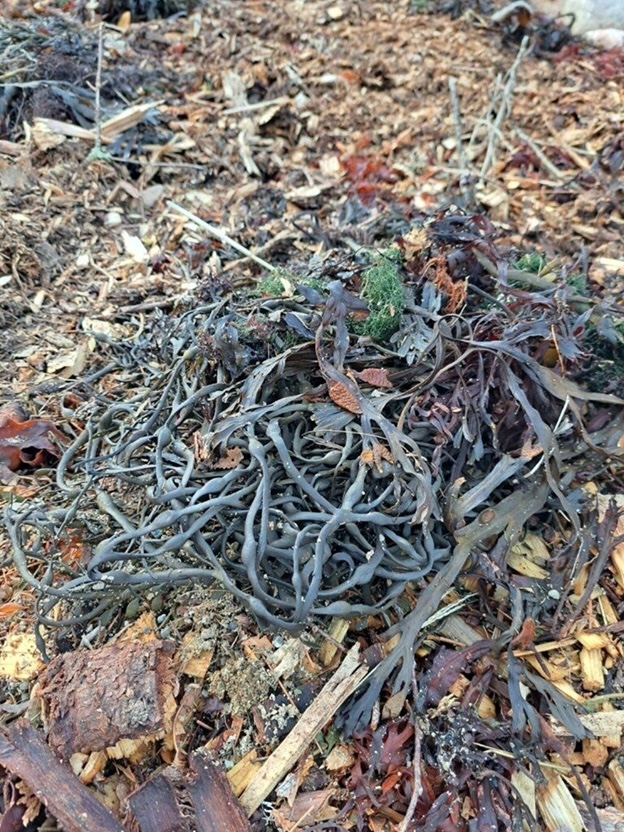
Seaweed fertilizer
Not everyone likes the look of seaweed in the garden, but that doesn’t mean you can’t make seaweed work for you. You can also add seaweed directly to your composter as a nitrogen-rich ingredient. Use about 1 part seaweed for every 3 parts carbon-rich material such as autumn leaves, dried plants or sawdust.
I have been composting seaweed for years and if I let the seaweed dry and then chop it up before composting it breaks down quickly. Once the composting process is complete, you can use seaweed compost on any plant, but I’ve noticed the biggest difference when I’ve applied it to my roses, potatoes, tomatoes and sulfur-loving vegetables like brassicas and garlic.
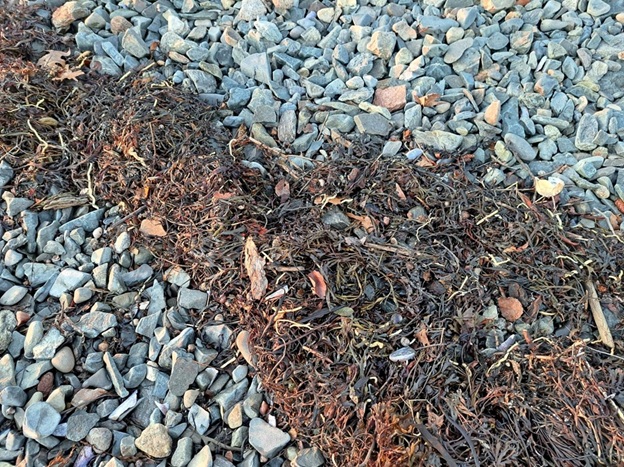
Seaweed spray
Sometimes if I have leftover liquid seaweed fertilizer, I spray it on the leaves of plants that are susceptible to mildew or other fungal issues, such as peonies, squash, and roses. I have read that this can reduce mildew problems and I have definitely seen less powdery mildew in my garden since I started applying it.
If you want to try this trick, use the recipe above to boil liquid seaweed fertilizer and then pour the strained fertilizer into a garden sprayer. Saturate the tops and undersides of leaves of plants susceptible to mildew and reapply the treatment every 2 to 4 weeks during the summer. Avoid spraying plants when the sun is high as this can increase the risk of sunburned leaves.
Tips on harvesting seaweed
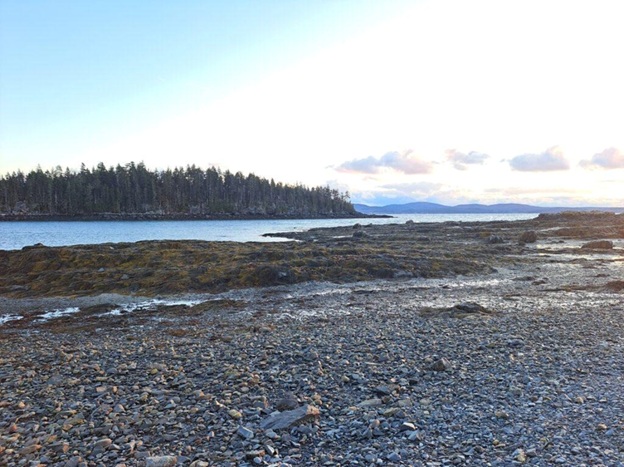
One of the best things about using seaweed in the garden is that seaweed is extremely easy to harvest. I just go to the beach with a strong plastic bag or bucket, collect the seaweed I want and repeat. That said, there are some harvesting tips that will make harvesting seaweed safer, easier and more rewarding. Be sure to follow local guidelines when harvesting seaweed. Seaweed collection is permitted in most areas, but not everywhere, especially in private and protected areas.
- Any kind of seaweed works. Here in Maine, rockweed is especially common. However, you can use any type of seaweed in the garden.
- Harvesting from the central beach. I find it easiest to harvest seaweed from the mid-beach region. It is dry, easy to work with, and generally has fewer bugs.
- Avoid contaminated areas. Be sure to harvest seaweed only from clean areas. Seaweed from highly populated or industrialized areas can contain contaminants that you don’t want in your garden.
- Do not harvest live seaweed. The seaweed that is attached to the rocks is still alive and I never harvest it. Loose seaweed is fair game though.
- Do not cut too much. A good rule of thumb for foraging is to never harvest more than 1/10 of the seaweed you will harvest. Many animals depend on dried seaweed for shelter and more.
- Wash it off if you like. Although seaweed contains some salt, it is not salty enough to cause problems in areas with regular rainfall and does not require rinsing before use. However, if you are concerned about the salt content, you can spread the seaweed on your driveway or on a tarp and give it a quick rinse with your hose before applying it.

Meet the tools of the year 2025



