
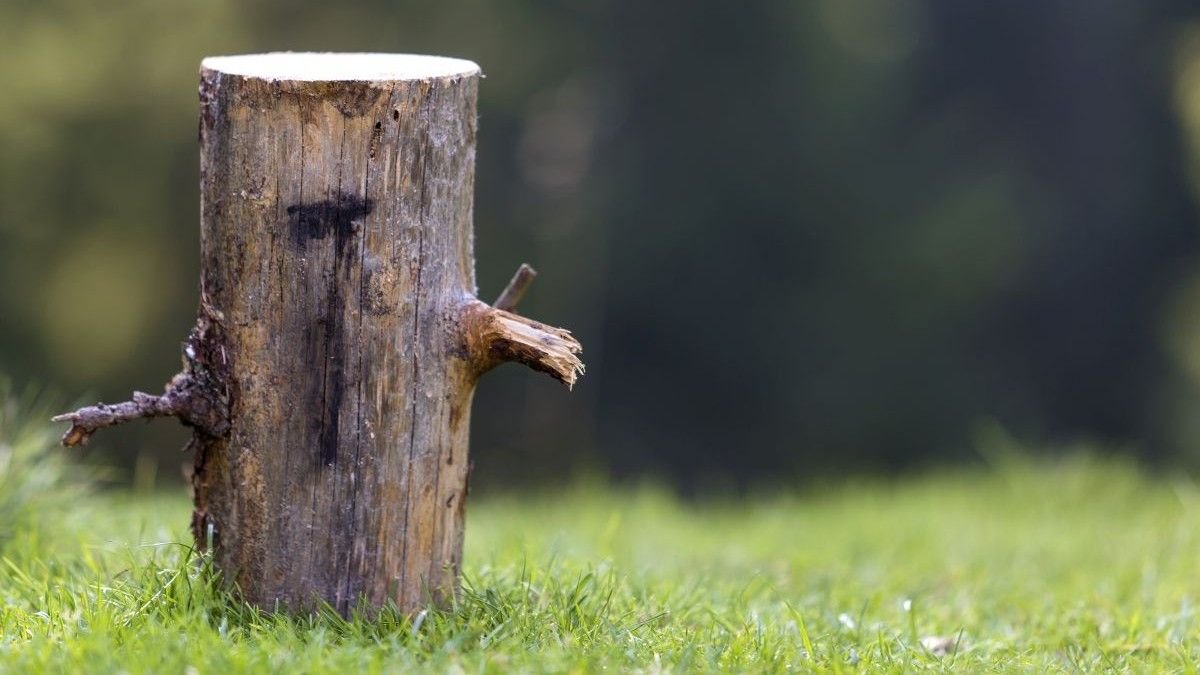

I used to look at stumps as something temporary. Residual wood from felled trees. Not something you would bring into the living room.
Then I started noticing that they were being used as coffee tables and the shape made sense. Solid. Compact. Naturally textured. No two are the same.

Instead of looking for another standard table, I wanted to see if a simple tree stump could actually work as a finished piece of furniture. The result changed more than I expected. Once sanded and sealed, it stops looking raw and starts looking intentional.
It easily fits into living rooms, reading nooks or even next to a sofa as a side table.
Why a tree stump works as a coffee table
The form is already there. No assembly required.
The weight keeps it stable without additional structure. The natural grain adds a texture that most furniture tries to imitate.
It also solves a few simple problems:
- Adds a focal point without additional decor
- It works in both modern and rustic interiors
- Takes up less visual space than bulky tables
- It feels unique without being complicated
Once complete, it doesn’t feel like a DIY piece. It feels like a design choice.
What you need:
- Stump or cut trunk (sized to fit your space)
- Emery or sandpaper
- Clear polyurethane or wood sealant
- Paint brush
- Optional: 3 swivel wheels and screws
- A drill

How to do it
Start by choosing a stump with a shape that works for your space. Height is more important than diameter. It should fit comfortably next to your seating area.
Remove loose bark if necessary, then sand the entire surface. Focus on the top first, as that’s where the objects will be. Smooth enough edges to feel clean, but not perfectly round.
Apply a clear coat of polyurethane to seal the wood and bring out the grain. Allow it to dry completely before adding another layer if needed.
If you want mobility, turn the stump over and attach the wheels to the base. Pre-drill holes and fasten them evenly so that the table remains balanced.
After it dries, place it in the room and adjust its position. This is where the transformation becomes visible.

Design options
Leave it natural for a raw, organic look.
Darken with stain to match existing furniture. Light finishes work better in neutral spaces.
You can also paint the sides while keeping the top exposed. This creates contrast without losing the natural texture.
Wheels make it practical. The lack of wheels makes it more sculptural.


What changed
Instead of a standard coffee table, the room now has something that feels grounded and slightly unexpected.
It doesn’t need much styling. A book, a candle, or nothing is enough.
The form remains simple. The material does the job.
The stump stops looking like leftover wood once it’s placed in the right place.



