
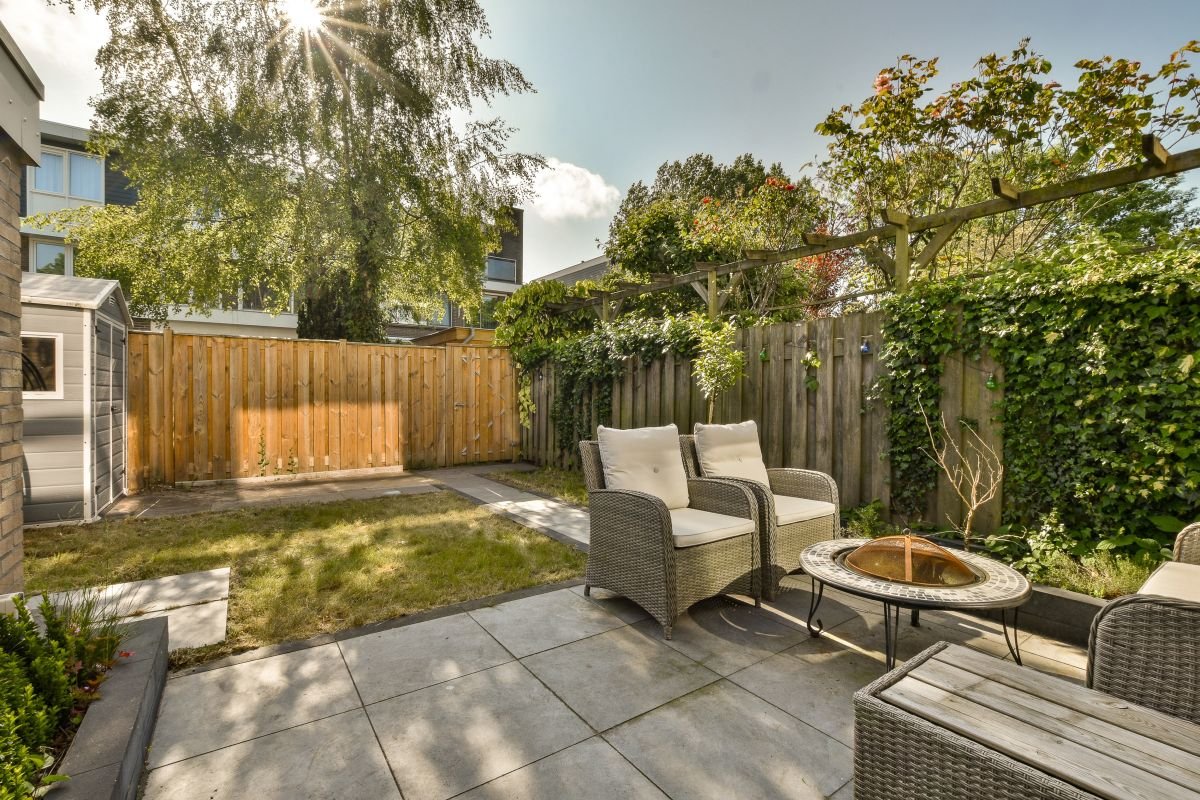

Want a backyard that adds value without creating problems you didn’t see coming? These additions often begin as upgrades, but once they affect safety, water flow or shared boundaries, they turn into disputes that are costly and difficult to reverse.

In 2026, backyard design is no longer just about how it looks. It’s about how it behaves over time and how it affects the properties around it. The difference between a smart upgrade and a costly mistake usually comes down to permits, placement, and what happens outside your own fence.
1. Swimming pool
Pools vary in how property is classified from a security standpoint. They attract attention, especially from children, which puts full responsibility on the homeowner to control access and minimize risk.
Most problems come from missing security layers. No proper fence, no self-closing gate, or no permit can quickly turn into a liability if something happens. Even before that, insurance gaps and resale complications appear faster than expected.

2. Trampoline
Trampolines are one of the most common sources of backyard injuries. What makes them dangerous is not just the use, but the visibility. They draw attention and make it easy to involve people outside your home in accidents.
Even with mesh and padding, the risk doesn’t disappear. Many insurance policies limit or exclude coverage, which means that a single incident can shift the financial burden directly onto you.

3. Replacement of yard drainage
Small layout changes can redirect large amounts of water. A patio, raised bed or slope adjustment can quietly force runoff into a neighbor’s yard without first being noticeable.
Water problems are rarely small. Once damage appears, it becomes a legal matter linked to property rights. Fixing drainage after the fact is always more complicated than planning properly from the beginning.
4. Backyard ponds and water features
Water features appear contained, but the real movement occurs beneath the surface. Poor sealing or drainage can allow water to seep underground and affect nearby structures.
The problem builds gradually. By the time of damage, the source is harder to prove and more expensive to fix. Pump and waterfall noise can also become a secondary source of complaints over time.

5. DIY Shed and Backyard Workshops
Adding a structure without checking local regulations is one of the fastest ways to create a problem that cannot be ignored. Prefabricated sheds also fall under zoning regulations in most areas.
Risk is not the only penalty. Structures placed too close to the property line or built without a permit may be flagged and removed entirely. It turns an easy upgrade into a total loss.
6. Hot tub
Hot tubs present a mix of safety, privacy and noise concerns in a compact footprint. Equipment moves continuously, and placement becomes critical to how sound and visibility carry.
Without proper setup and maintenance, problems turn from minor complaints to health and safety concerns. Water quality, access control and equipment noise need to be managed together.

7. Fire pits
Fire characteristics vary depending on how the backyard is used, but also present a hazard that extends beyond the immediate area. It does not contain heat, sparks and smoke.
Most problems come from distance and airflow. A fire pit placed too close to structures or used frequently in still air conditions can lead to complaints or, in worse cases, damage.
8. Overgrown or unmaintained trees
Trees near property lines carry responsibility, not just shade. Branches that extend outward or show signs of weakness can become a direct liability if they fail.
Risk increases when maintenance is delayed. Once a tree is known to be unstable, it is difficult to dismiss any damage it may cause. Regular inspection becomes part of its ownership.
9. Chicken coops
Backyard chickens pose a different kind of risk. Noise, odor and control become everyday factors that affect nearby properties.
Problems usually appear when the setup is too close to the boundary or not secured properly. Once animals start infesting neighboring yards, complaints quickly escalate.

10. High or non-compliant fences
Fences define space, but when they exceed height limits or block light and views, they go from boundary markers to dispute triggers.
What starts out as a privacy solution can become a compliance problem. If the fence does not meet local regulations, the result is often removal rather than adjustment.
11. Invasive plants
Some plants spread out of control once established. What looks like a simple landscaping choice can cross property lines within the land.
The issue is not immediate, which makes it easy to ignore. Over time, roots and shoots move into neighboring spaces, and removal becomes difficult and expensive.
12. Bright outdoor lighting
Lighting that goes beyond your property line can turn into a visibility problem for someone else. This is where design meets regulation.
Light aimed outwards rather than downwards creates a continuous exposure. Over time, it leads to complaints that require restoration or replacement rather than a simple adjustment.
A small decision that changes everything
Most backyard problems don’t start with bad intentions. They start by skipping a step. A missing permit, misplacement, or a detail that seems small in the moment.
- Outdoor speakers placed near property lines that carry sound more than intended
- Basketball hoops are located very close to neighboring houses, creating repetitive noise
- Open compost piles that attract pests and spread odors outside your yard
- Treehouses are built without a permit or placed in direct view of adjacent properties
- RVs or boats parked in visible areas that violate local ordinances or block sight lines
The difference in 2026 is awareness. Backyards are more complex, more built out and more connected to neighboring spaces than ever before. When each addition is planned with boundaries, flow and long-term use in mind, the space itself functions better and avoids problems that are expensive to fix later.



