

The whole tube of lemon and toothpaste inside the washing machine looks believable in the video. Thick foam. Dramatic scrubbing. Instant visual payout.
It also raises a question: Why would a device with a pump, rubber seal and sensor need toothpaste?
My washer is not new. I’m not running experiments inside a machine that handles hundreds of cycles per year. Instead of testing a social media tactic, I used a method that manufacturers and repair technicians consistently recommend.

The difference is not dramatic.
It is structural.
What I used instead
- No specialty pills.
- No abrasive paste.
- No heavy scent masking buildup.
Just white vinegar, baking soda and two controlled hot cycles.
The logic is simple. Vinegar dissolves residue and mineral deposits. Baking soda neutralizes odors. Used separately, they flush clean without leaving film behind.

Front-load routine
The real problem isn’t the drum. It is a gasket.
That rubber seal traps moisture and detergent residue in its folds. Ignoring it defeats the entire cleaning process.
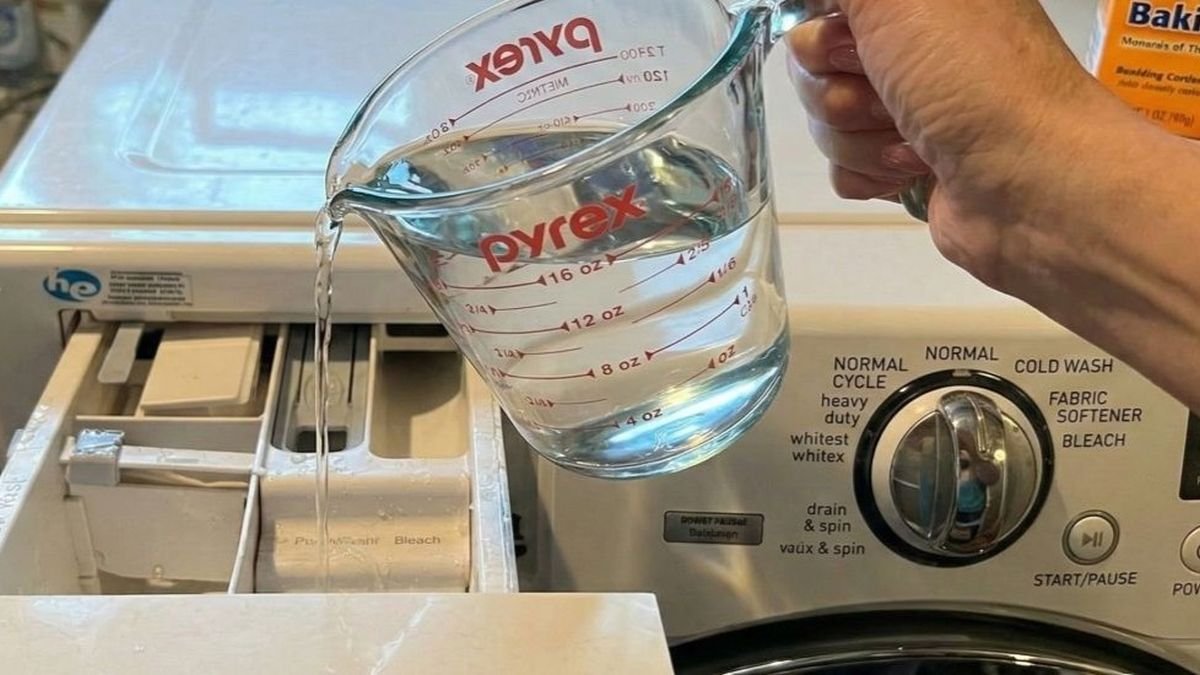
I sprayed white vinegar directly on the gasket and wiped it down thoroughly. After that, I poured two cups of vinegar into the detergent dispenser and ran the full hot cycle with the machine empty.
Once done, I added half a cup of baking soda directly to the drum and ran another hot cycle.
When both cycles finished, I wiped:
- Internal drum
- Door and gasket
- Detergent drawer
Then I left the door open to air dry.
No scent lingers once dry. Drum neutral smell. Towel dried without stale undertones.
That is the true result.
Why doesn’t the viral method add up?
Toothpaste contains abrasives designed for enamel. Washing machine includes:
- Rubber seal
- Plastic housings
- Drain pump
- Humidity sensors
Even if visible foam washes away, internal components were never designed for paste-based residue. Lemon juice introduces acid without control over concentration or exposure time.
Viral method focuses on glasses. A maintenance method focuses on work.
A satisfying look. The second protects the device.

What really changed
Before cleaning, the washer smelled like a closed door. Subtle but present. A small film buildup was shown in the detergent compartment.
After the vinegar and baking soda cycle:
- The interior felt dry and clean
- There was no film left in the drawer
- No residual odor in the laundry
There has been no dramatic change. Just reset the conditions.
The washing machine should not smell like anything.
How often does this make sense
Once per month is sufficient for most households. If you wash pet bedding, gym clothes, or heavy loads of soil, every two to three weeks prevents buildup.
The goal is not freshness. It is prevention.
I’m not interested in dramatic hacks inside a machine that costs more than most kitchen appliances. Maintenance is quieter than viral trends.
It is also more secure.



