
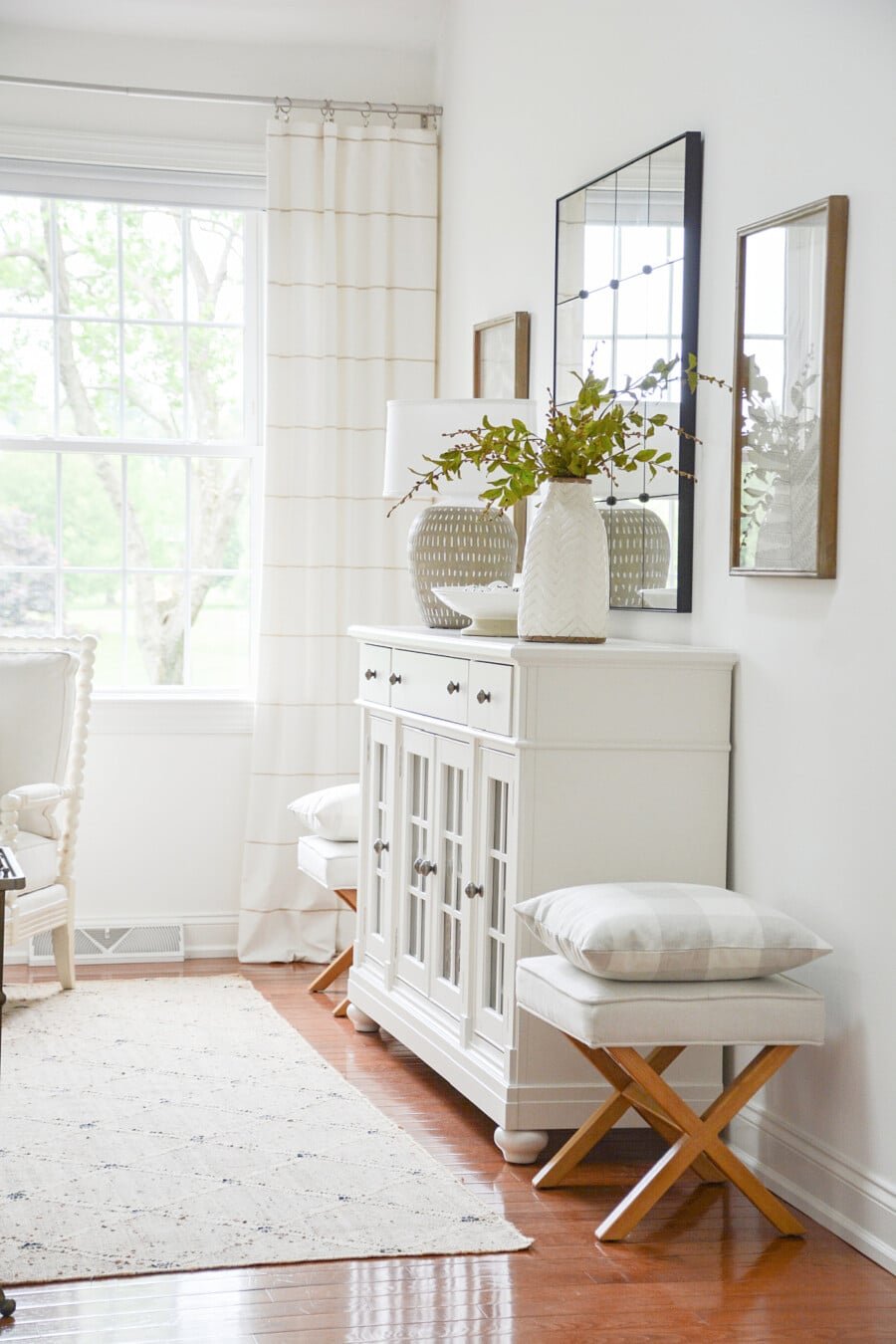

Learn how to make your home look cohesive using simple decorating ideas like repetition, contrast, and color.
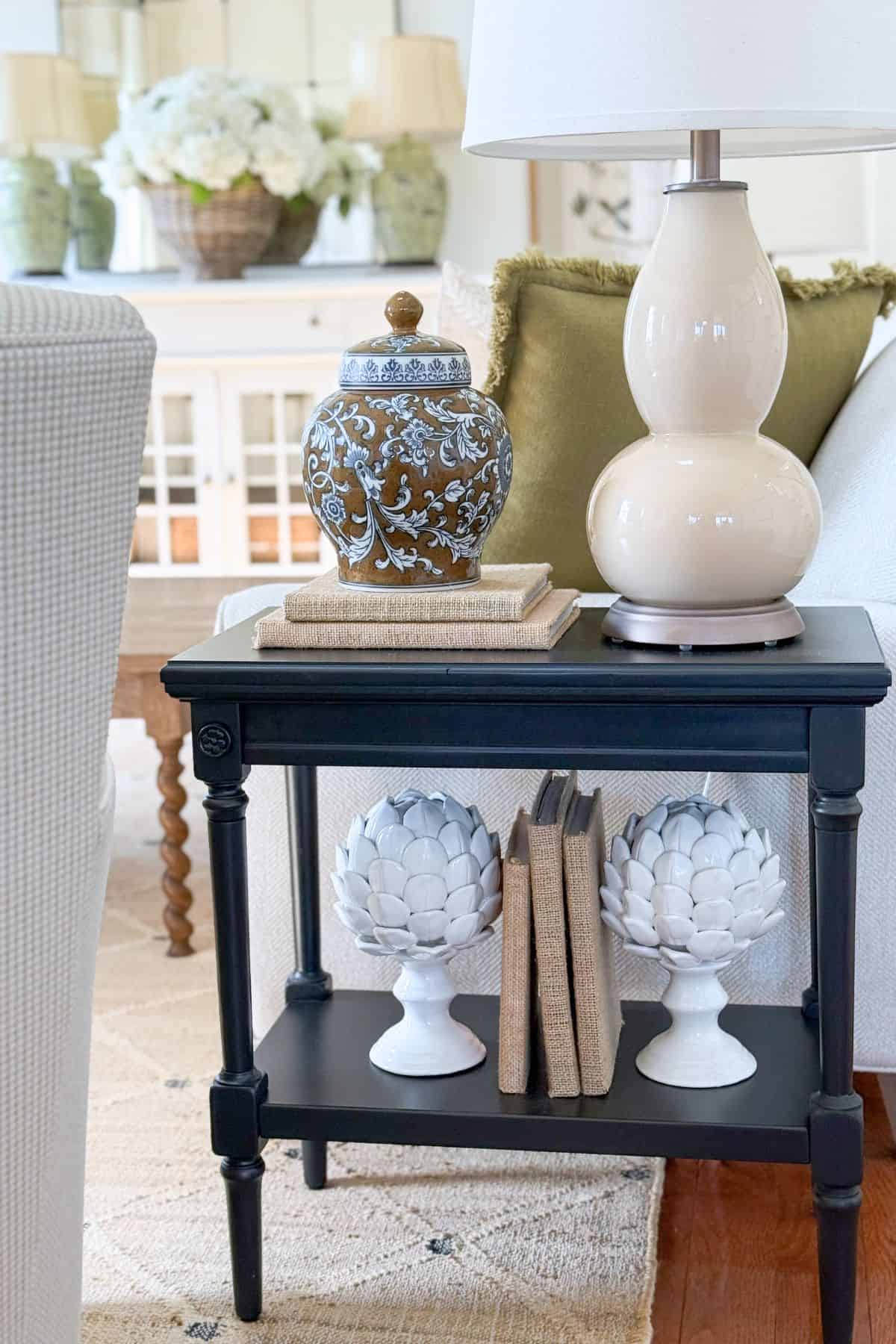
Have you ever looked around a room and felt like something didn’t quite fit, even though you love everything about it? That feeling usually has nothing to do with buying more decor. It has everything to do with how the pieces in the room work together.
A harmonious home feels calm, comfortable and pulled together. Your eye moves easily from one area to another and everything seems as it is. The good news is that you don’t need a designer or a big budget to create that look.
The secret is to learn how to use some simple design ideas in your home: repetition, contrast, rhythm and movement. These may sound like designer words, but they are very easy to understand and even easier to use once you see how they work.
I was poring over images of beautiful rooms in my favorite decorating magazines and wondering how I could make a room in my house look like this.
Over time, I learned some simple design ideas that made all the difference. They were easy to understand and even easier to use in my own home. That was the turning point for me. Once I started using these ideas, decorating felt easier, and my home began to look more cohesive and attractive.
Here’s what I learned and how you can use it in your home.
Why some rooms feel right, and others don’t
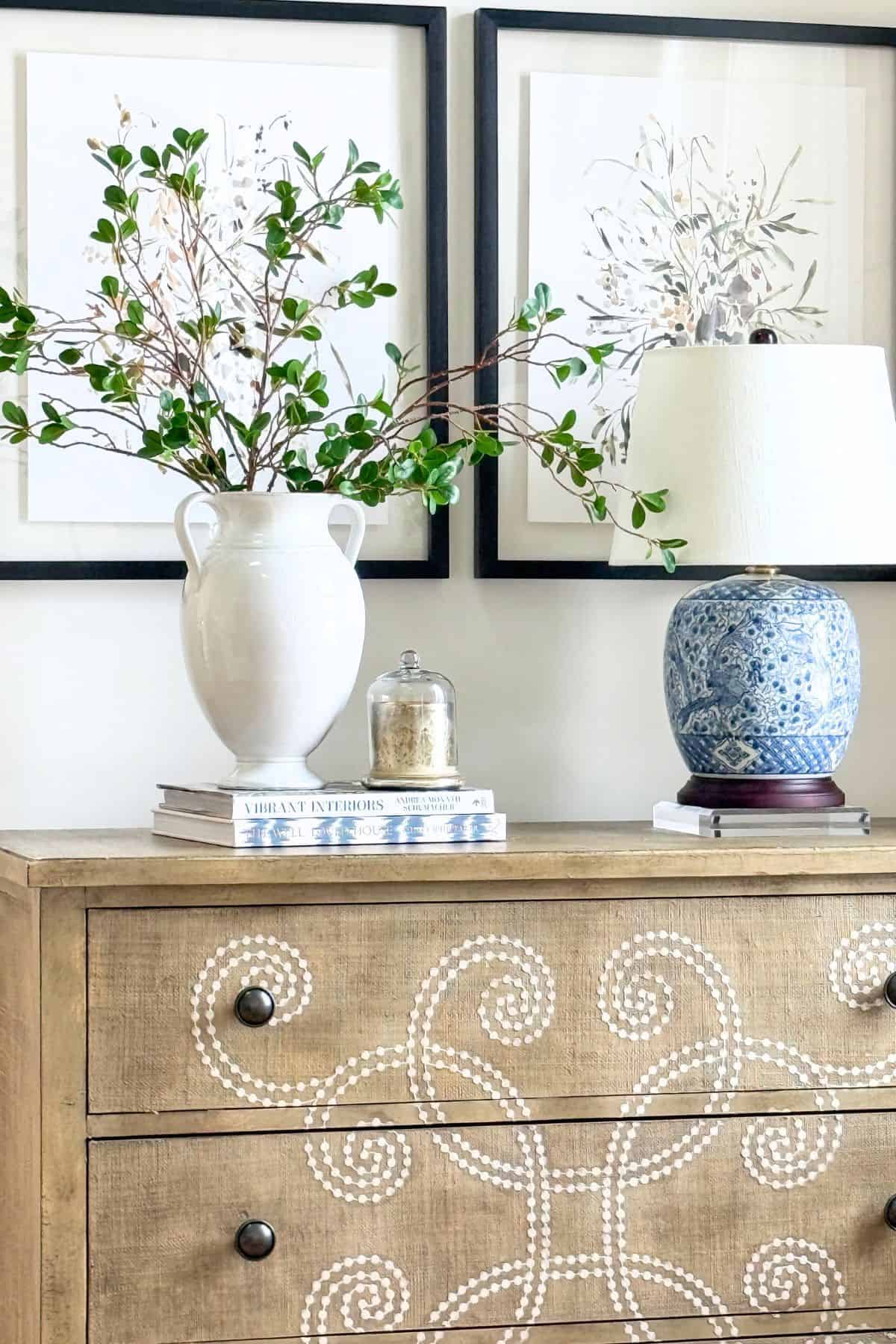
Some rooms feel good as soon as you walk in. They feel calm, comfortable and harmonious. Other rooms can feel a little off, even when you can’t quite figure out why.
Often, the difference isn’t what’s in the room. It’s how everything works together.
When a room feels right, your eye moves easily from one area to another. You notice connections without even realizing it. Colors relate to each other, shapes feel balanced, and nothing feels out of place.
When something seems off, it is often because there is no connection between the pieces. Colors may stop and start, shapes may compete, or everything may look too uniform and flat. This is where a few simple decorating ideas make all the difference.
By repeating elements, adding some contrast, and paying attention to how your eye moves around the room, you can create a space that feels connected and comfortable.
You don’t have to change everything. In fact, most of the time, small adjustments make the biggest difference.
Decorating Tip: If the room doesn’t feel right, start figuring out what repeats and what doesn’t. Then make a small change to make a better connection.
The easiest way to make a room look pulled together
If you only try one idea from this post, make it this one.
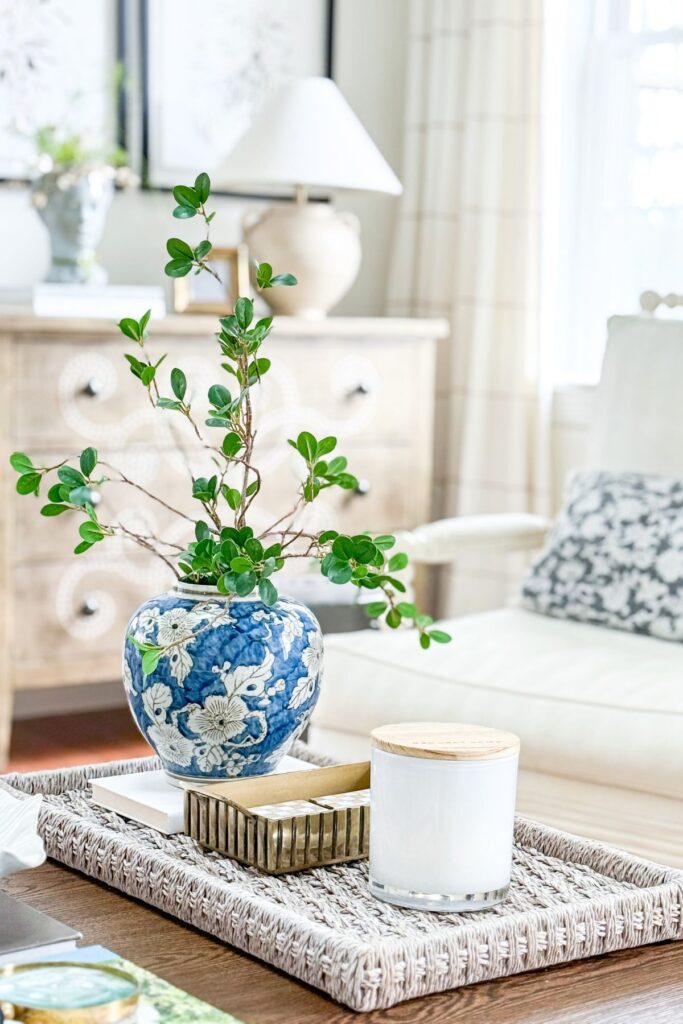
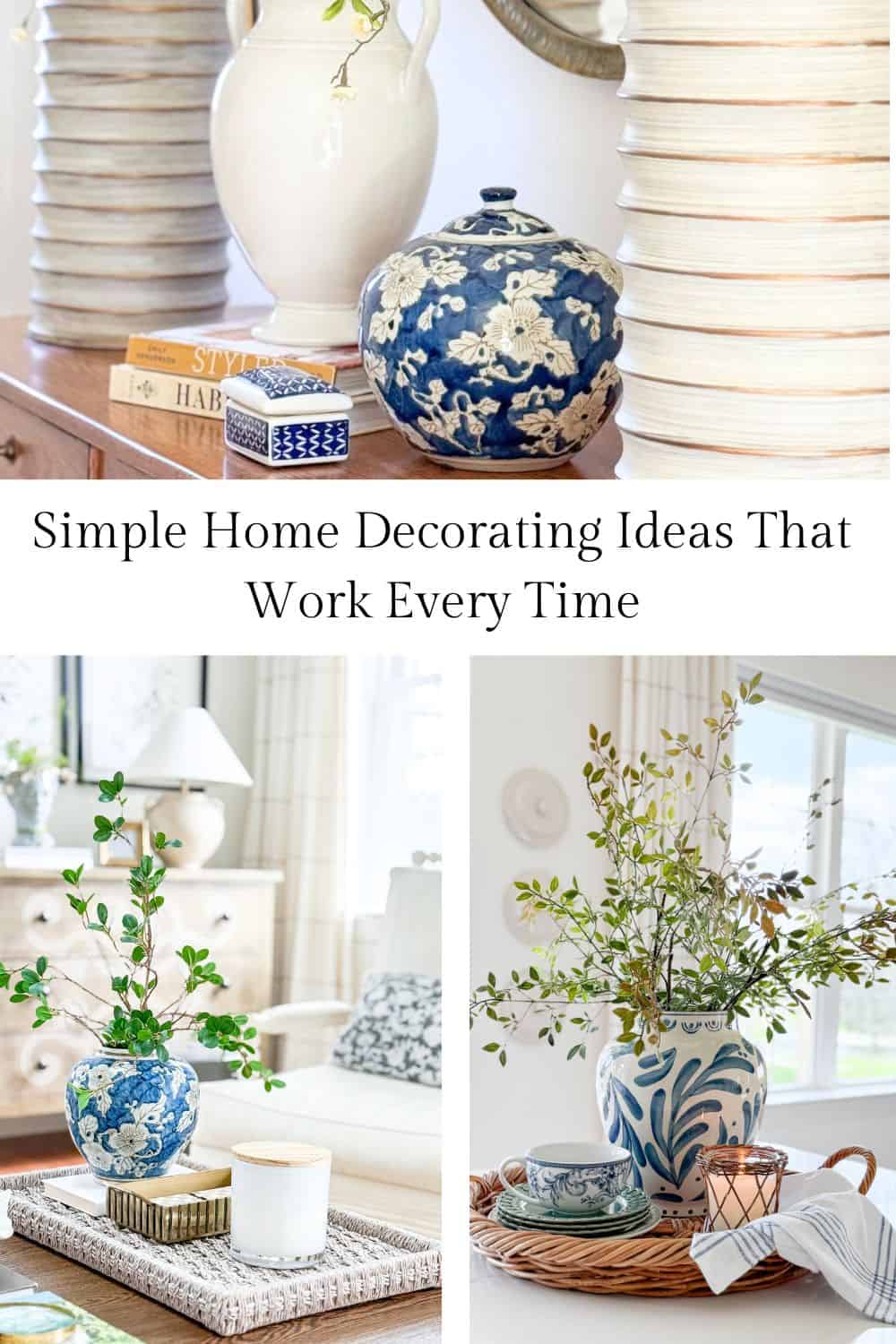
Repetition is the easiest way to make a room look cohesive. It ties everything together, so your space feels calm and organized instead of cluttered, and it’s super easy.
Repetition means using the same element more than once in a room. This can be color, shape or texture. When your eye sees something repetitive, it naturally moves in space, and everything seems connected.
The easiest place to start is with color. When color appears in a few spots around the room, it feels intentional and helps tie everything together.
You can also repeat shapes or textures. If you have a round object, reuse that shape. If you like wood or woven pieces, use them in more than one place so the room feels layered.
Keep it simple. Pick one thing and repeat it a few times. It’s simple. That small change can make a big difference.
Decorating tip: Repeat something in the room at least three times so it feels planned and not random.
How to add interest without overwhelming a room
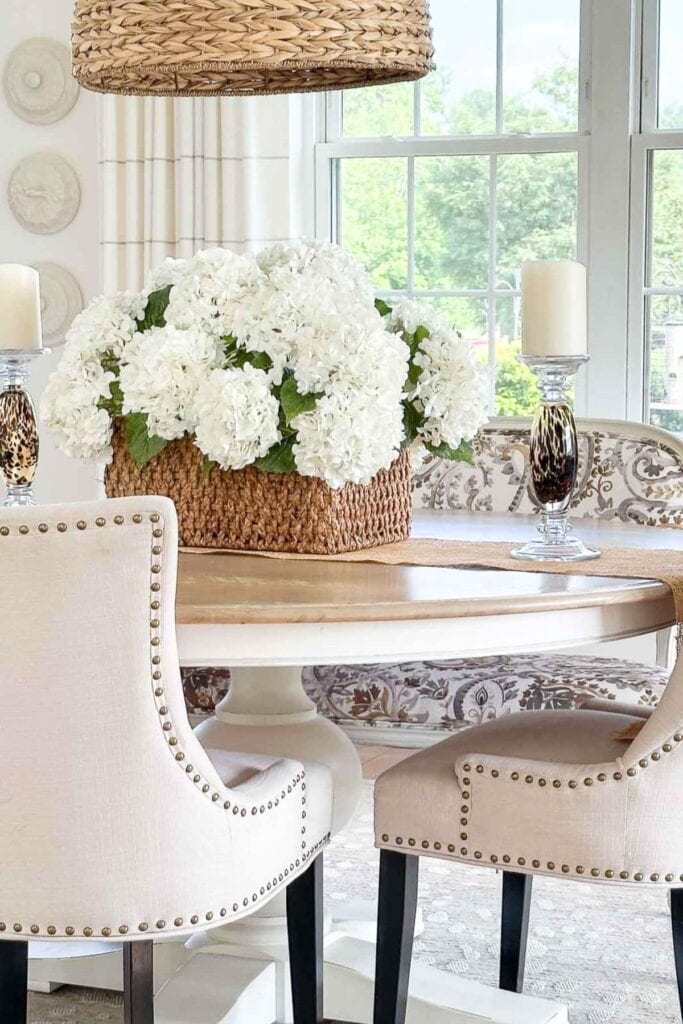
Once you start repeating elements, the room can feel connected. But if everything is too similar, it can start to feel flat. This is where the paradox comes in.
Contrast is simply mixing things that are slightly different to give your room interest. It keeps your eye moving and adds life to the space.
An easy way to add contrast is to mix light and dark. If your room is mostly light, add something dark to ground the space. Our home is full of light and warm neutrals. When I add something dark, like a vase or a stack of books, the contrast creates beauty.
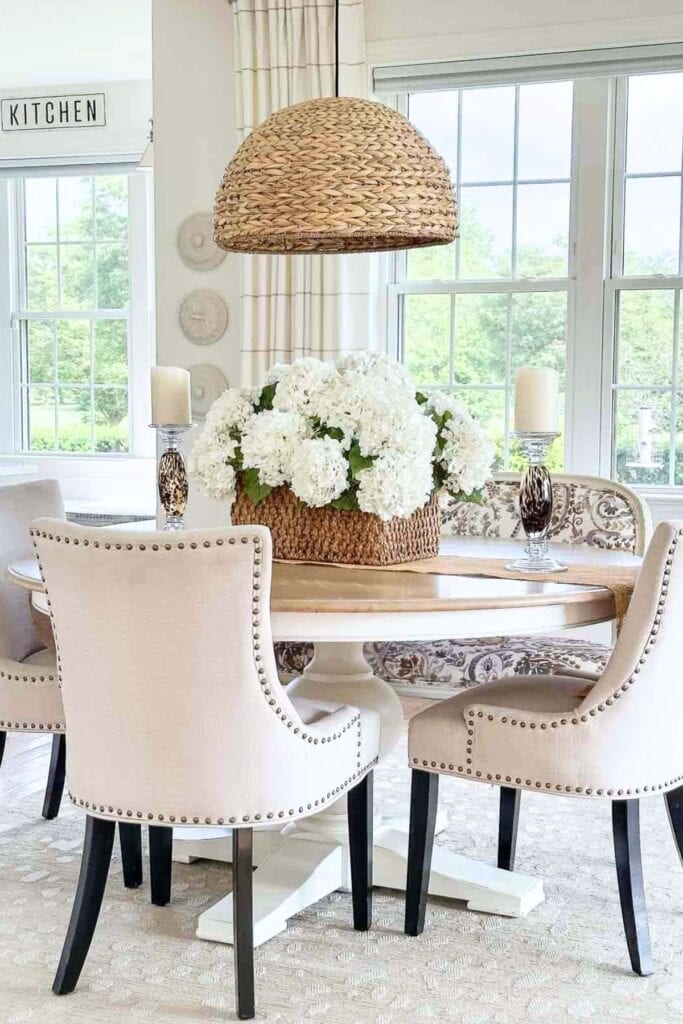
My dining room felt more cohesive when I replaced one of my dining chairs with an upholstered bench that had a very different shape and style. It becomes a statement piece adding more character to the entire room.
Another easy way to add contrast is texture. Pair something simple with something more textured to create balance.
The key is to add just enough contrast so that the room feels interesting, but not so much that it feels busy.
How to create flow so your room looks finished
Once you start repeating elements and adding some contrast, the next step is to think about how your eye moves around the room.
This is what creates rhythm and movement.
Rhythm occurs when your eye notices a repeating pattern and begins to move from one place to another. Movement makes your eye travel leisurely around the space instead of stopping it in one place.
You don’t need to think about this much. It often comes down to placing things so your eye can easily move across the room.
Create rhythm and movement in three simple ways
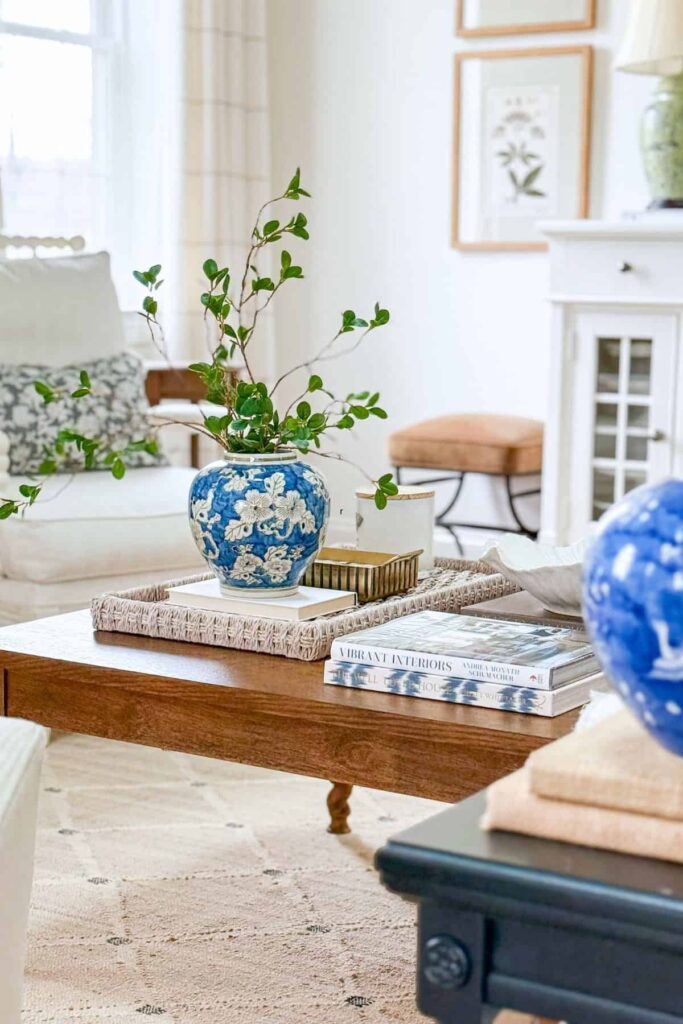
An easy way to do this is to spread repeating elements across the space instead of grouping them in one area. This tip works every time. Repeating an element and spacing it around the room helps your eye travel naturally from one side of the room to the other.
You can also create movement through different heights. When items move from low to medium, your eye moves up and over instead of staying in one place.
Another simple idea is to avoid making one area feel too heavy while another feels empty. When things feel balanced, your eye moves more comfortably around the room.
Determine the ideas
Think: Where does my eye stop in this room?
Determine: What can I move or repeat to guide the eye?
Do: Rearrange an area to create better flow
Questions to answer about keeping your home looking harmonious
The decor can seem confusing until you know what to look for. These general questions will help you apply these ideas with confidence in your own home.
Start by repeating a few key elements throughout your home, such as color, shape, or texture. All this helps to feel connected. Then add some contrast so the room doesn’t feel flat and arrange things so your eye can easily move from one area to another.
Revision is the easiest place to start. Choose one element, such as a color or material, and use it in a few spots around the room. This simple step helps your space look more organized and balanced.
A good rule of thumb is to repeat an element at least three times. This helps it look intentional and not random. The repetitions do not need to match exactly; They just need to relate.
Add contrast. Bring in something different in shape, color or texture. A contrasting piece can also give a room more character and make it feel more complete.
Too much contrast or too many unrelated objects can make a room look busy. Try removing a few things and repeating what you like instead. This will help your room feel calmer and more organized.
Step back and look around the room. Does one area feel heavy while another feels empty? Try to spread out color, shapes, and visual weight so your eye moves comfortably around the space.
You’ll love more simple decorating ideas
If you want to stay confident and create a home that looks and feels its best, these posts will give you more simple and practical ideas that you can use right away.
How to develop your fine eye
Learn how to see your home differently so you can make better decorating decisions with confidence.
60 decorating mistakes and how to fix them
Find out what might be ailing your home and how to fix it with simple, doable changes.
5 easy ways to update a room that make a big difference
Simple updates that can quickly make any room look fresher and more pulled together.
12 Decorating Rules You Should Never Doeak (or almost never)
Tried-and-true guidelines that help create balance and make a room look its best.
Decorating with color, 8 color lessons every home decorator should know
Simple ways to use color to make your home feel connected, calm and well-planned.
What to put in the middle of the dining table, simple centerpiece ideas
Simple ideas for styling your dining table so it looks ready and inviting every day.
Smart and practical kitchen organizing ideas that really work
Practical ideas to help your kitchen feel organized and function better, which also make decorating easier.
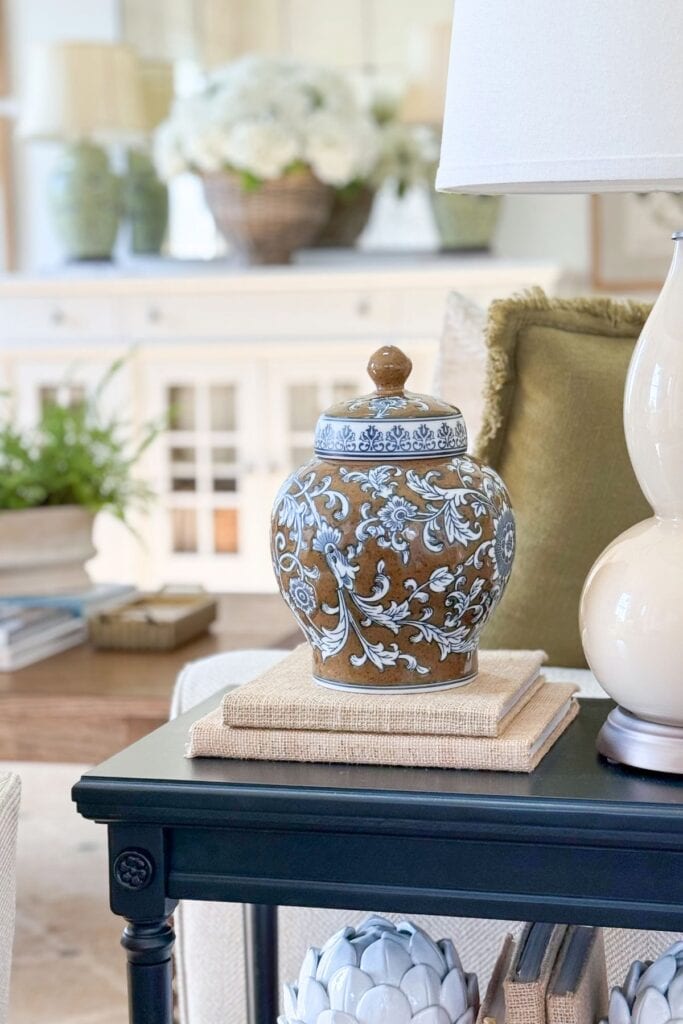
You don’t need to buy anything new to create a beautiful, comfortable, thoughtfully decorated home.
Start by repeating what you already have, add some contrast, and pay attention to how your eye moves around the room. These simple changes can make a space more balanced and complete.
The more you practice these ideas, the easier decorating becomes. You’ll start looking at your home differently and know exactly what to do to make it look its best.
Happy decorating, friends…




