
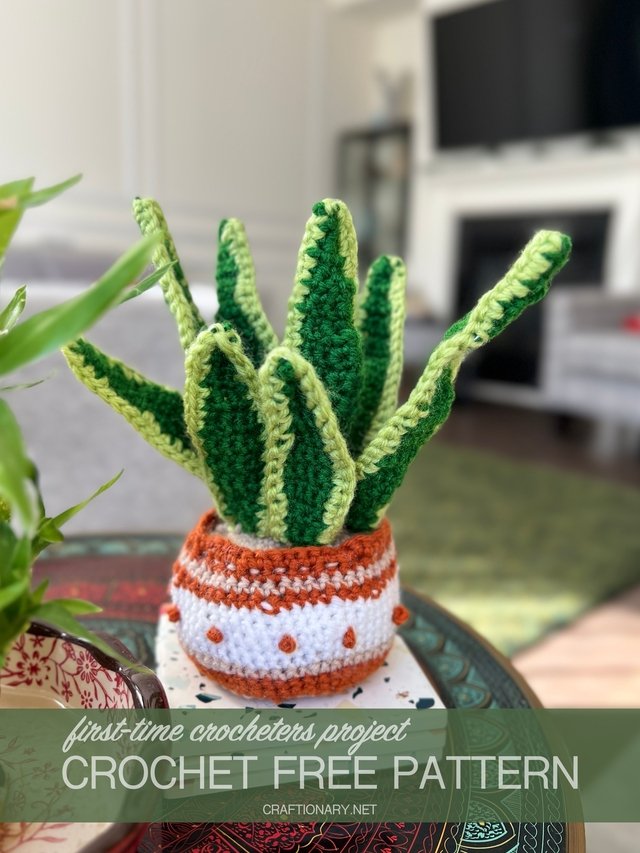

Creating a handmade indoor garden is one of the most rewarding ways to bring life to your home without the stress of a watering schedule. If you’ve always wanted to try crochet but are intimidated by complicated patterns or lack the patience for long-term projects, Amigurumi Crochet Snake Plant Kit is the perfect entry point.
Related: 50 free amigurumi crochet patterns to love
This guide is designed for the complete beginner – someone who has never held a hook but wants to create a professional look for modern heritage decor.
My honest initial experience (Why does this project work?)
When I first wanted to try crochet, I wasn’t sure if I would enjoy it. Instead of starting with something basic, I chose a crochet snake plant kit — because I wanted to make something I could actually display and be proud of.
Even though the kit was labeled intermediate, I went for it anyway. And here is the truth:
- It took me 3 days to figure out how to hook and chain, it was frustrating but trust me it gets better.
- The written pattern initially made zero sense. So, I look for videos to learn the technique.
- Luckily I found a video for this particular project. I rely heavily on slow-motion video tutorials.
- I’ve made mistakes—and explained my work many times because it’s about learning and not about finishing a project.
But once it clicked, everything became easy. The biggest realization?
Crochet is forgiving. You can always undo mistakes and start over. If I can learn this as a complete beginner, so can you.
Why start with a snake plant kit?
For a first-timer, the sheer volume of hook sizes, yarn weights, and terminology can be overwhelming. A kit-specifically Loops and Threads Snake Plant Kit– Eliminates guesswork.
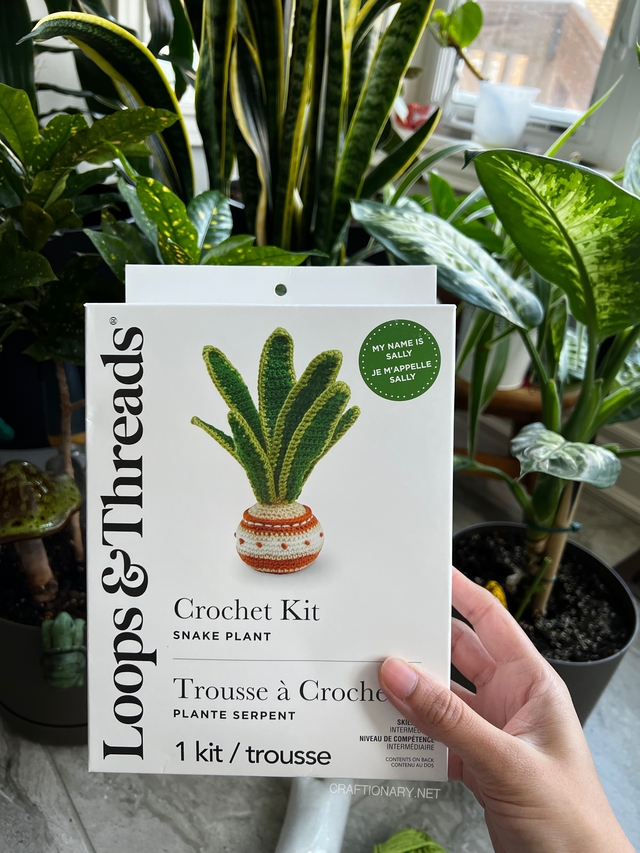
Initial Benefits:
- Curated Content: No need to calculate yardage; The kit includes exactly what you need.
- Performance Value: Unlike a basic practice square, a snake plant is something you’ll be proud to display alongside your actual greenery or essential oil diffuser.
- Skill Building: Even though it’s often labeled intermediate, it teaches basic stitches (chains, single crochet, and borders) that apply to every future project.
Essential Beginner Techniques and Continuing Tips
Crochet is a physical skill that requires muscle memory. Even if it takes you three days to get hooked, you’re on the right track.
1. Basic crochet techniques you will learn
- Chain stitch (ch): The foundation of most crochet projects.
- Single crochet (sc): The most common stitch for beginners.
- Slip stitch (sl st): Used to join and terminate rows.
2. The Slow-Motion Secret
Written instructions may look like a foreign language (eg, Rnd 1: 6 sc in MR). For your first project, always pair the pattern with the video tutorial.
Pro Insights: Use YouTube’s playback settings to slow the video down to 0.5x or 0.25x. Watch the exact arc of the hook as it pulls the yarn through the loops.
3. The Frogging Mindset
In crochet, a frog means to unravel your work (rip it up, tear it up).
Expert Tip: Mistakes in crochet are never permanent. If your stitch count is off or the shape looks fuzzy, pull the string and start over. Better to have a clean foundation than a disappointed finish.
4. Critical Crochet Lesson: Where Does the Hook Go?
The most common beginner’s mistake is missing a V.
- Standard Stitch: Always insert your hook through both loops at the top of your previous row, not just one, unless otherwise instructed.
- By chain: Crochet directly into the chain space only if the pattern specifically calls for a “chain space” (ch-sp) stitch.
- Number of losses: Count off the stitches at the end of each row
- Tight tension: Relax your hands – crocheting should feel smooth, or your chains will be too sticky.
- Take a break: Crochet improves when your mind is relaxed.
Basic Beginner Crochet Plant Instructions:
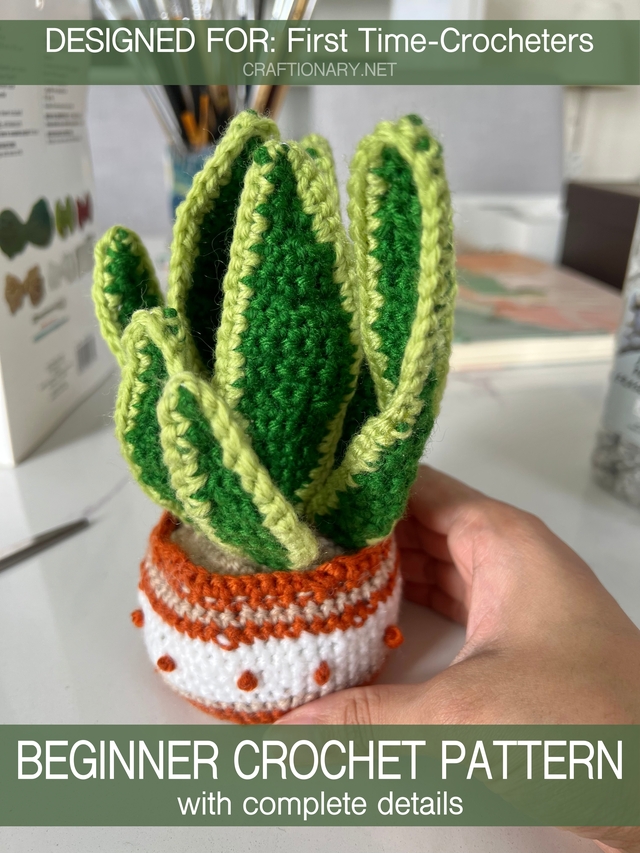
Contents:
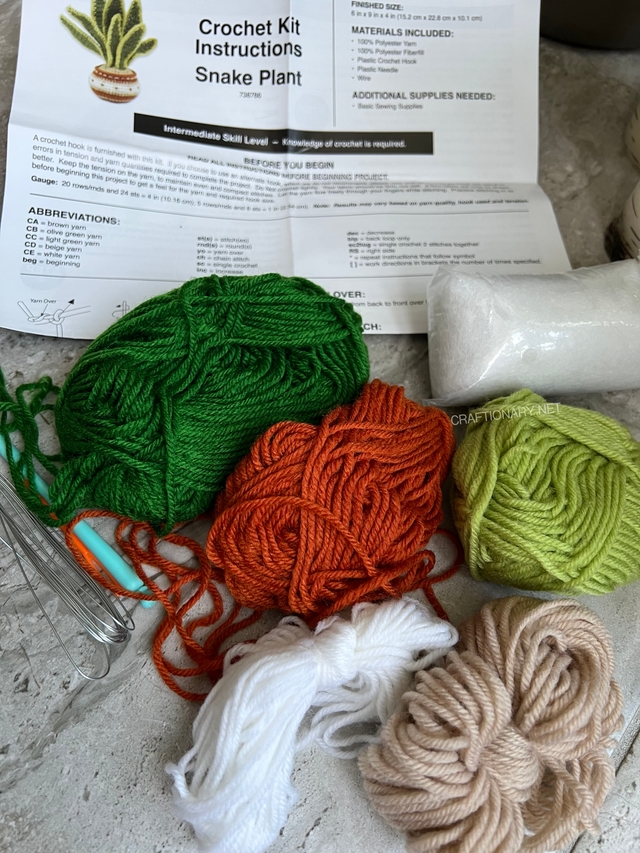
This kit will get you all the materials you need to get started.
- Enough yarn in all mixed colors for the project.
- Crochet tool
- wire
- needle
- Polyester filling
- Instruction manual with learning acronyms for all future projects.
- Not in this kit but required: rocks and cardboard support for the pot.
Written Notice:
Follow the written instructions and check out the video above for help when you get stuck.
- You will first crochet the pot and soil patch following the instructions provided.
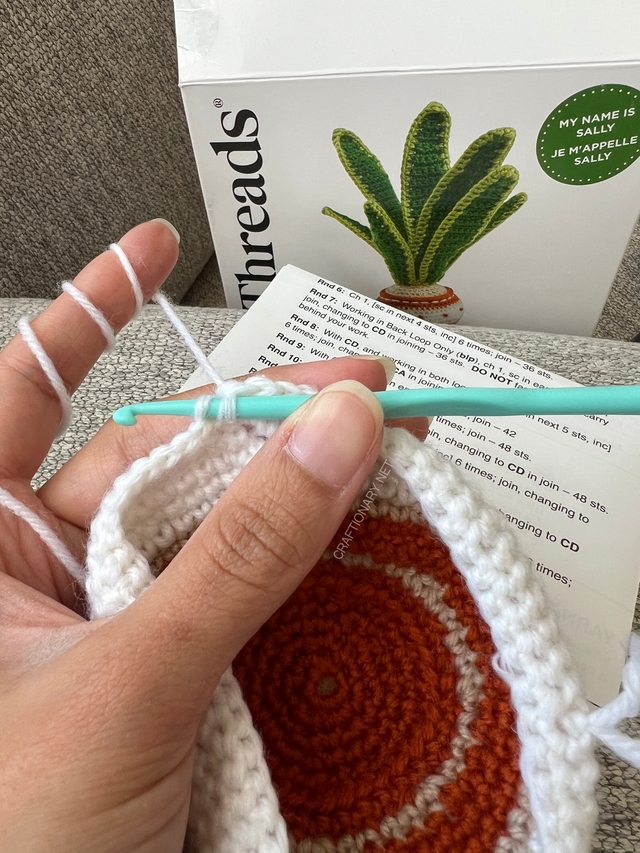
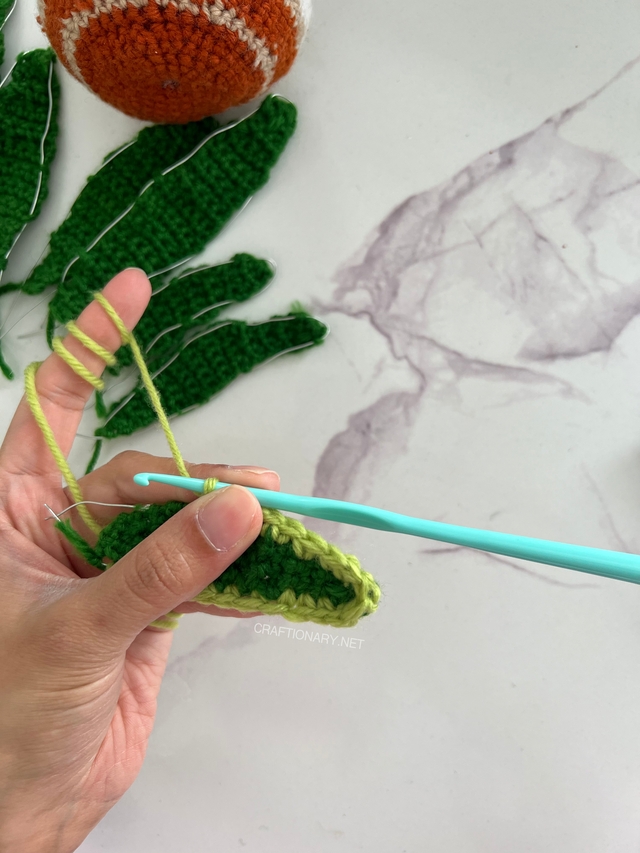
Then add wire to the leaf for shaping and support and complete the leaf crochet with a contrasting edge.
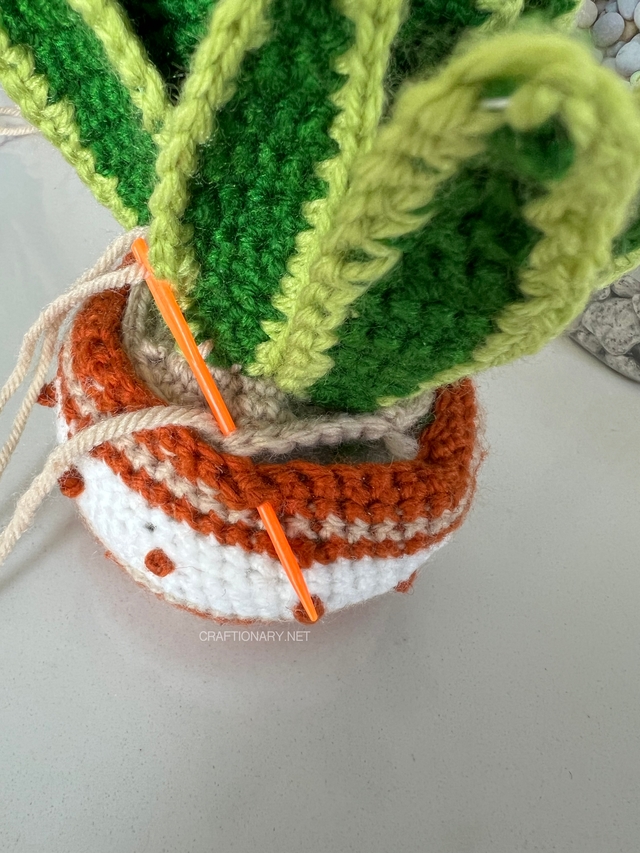
Finally, assemble the snake plant pot by first sewing the leaves onto a patch of soil and then stitching the soil over the top of the pot filled with pebbles for support.
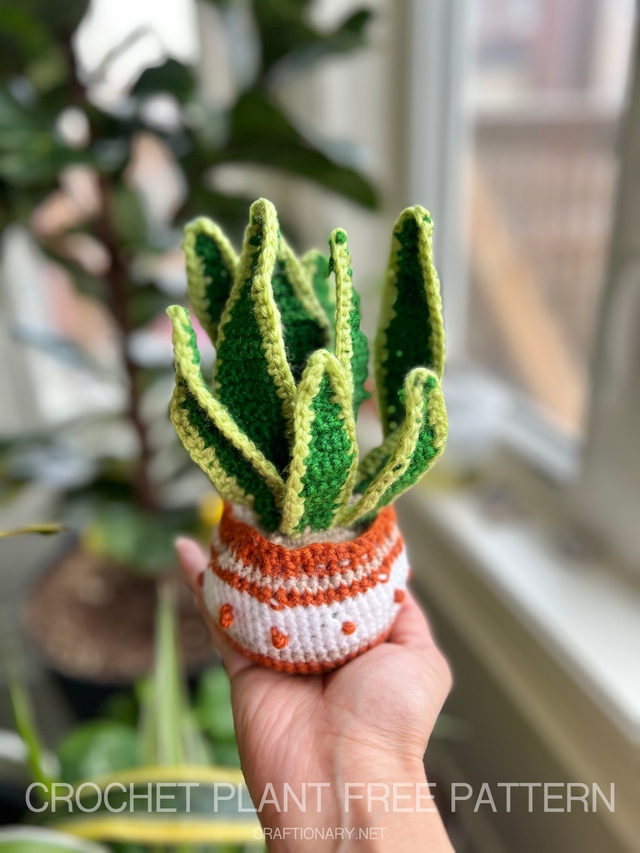
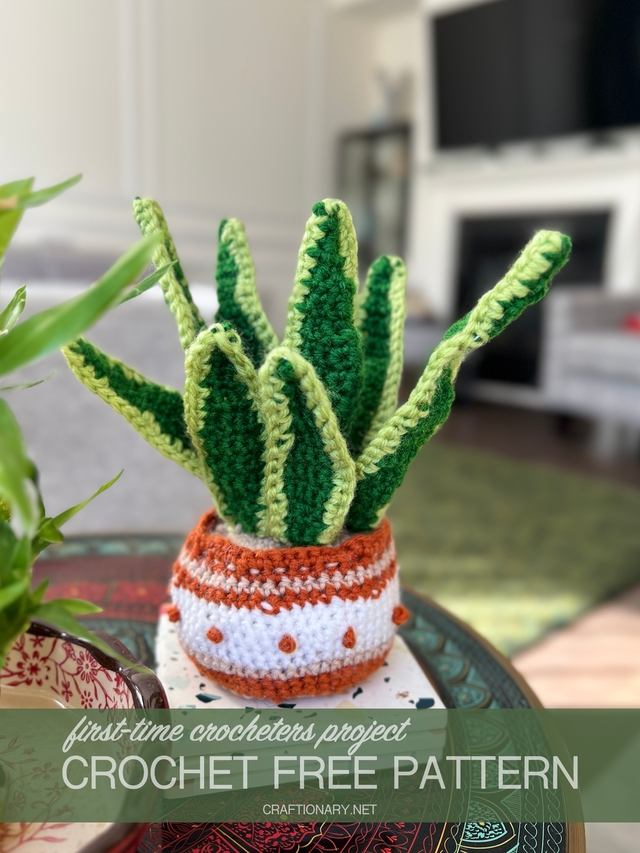
Shape the leaves naturally and display them as conversation starters.
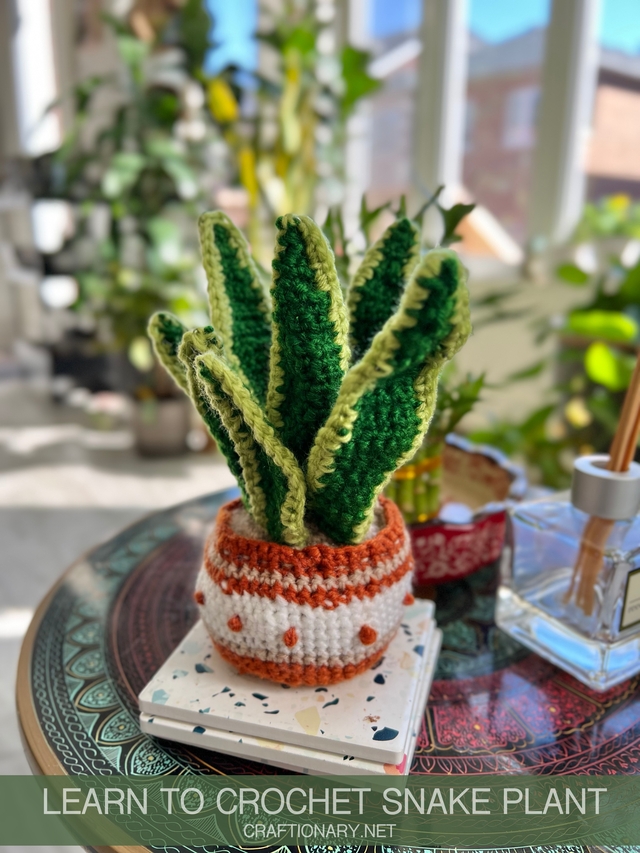
tips: Below are some additional tips shared from my personal experience to help you successfully complete your first crochet project.
Snake Plant Modification Guide (Pro-Level Assembly)
While the kit provides the basics, these custom modifications will elevate your project from crafty to botanical masterpiece.
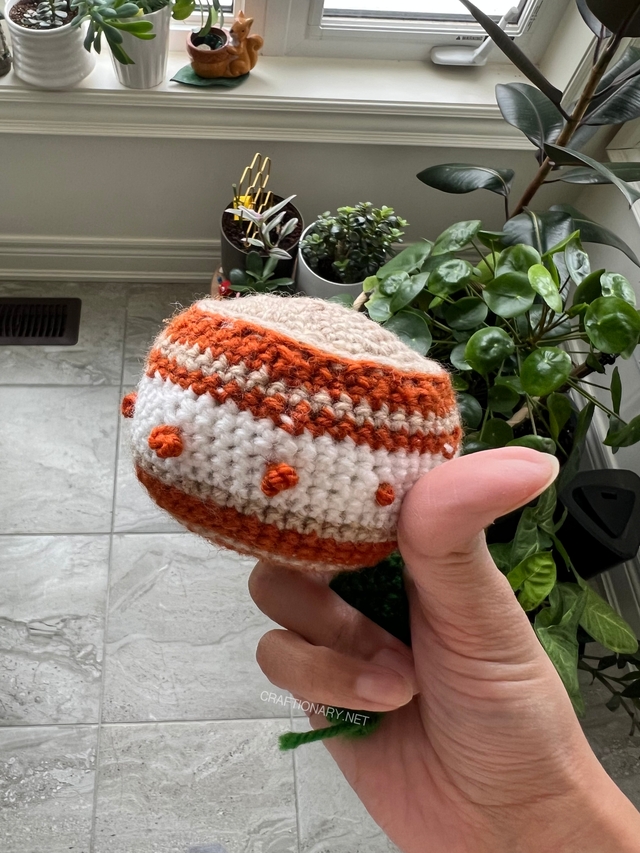
1. Structural support for the pot: cardboard and pebble trick
Standard polyester stuffing is lightweight. Because snake plant leaves are tall and top-heavy, the pot may wobble.
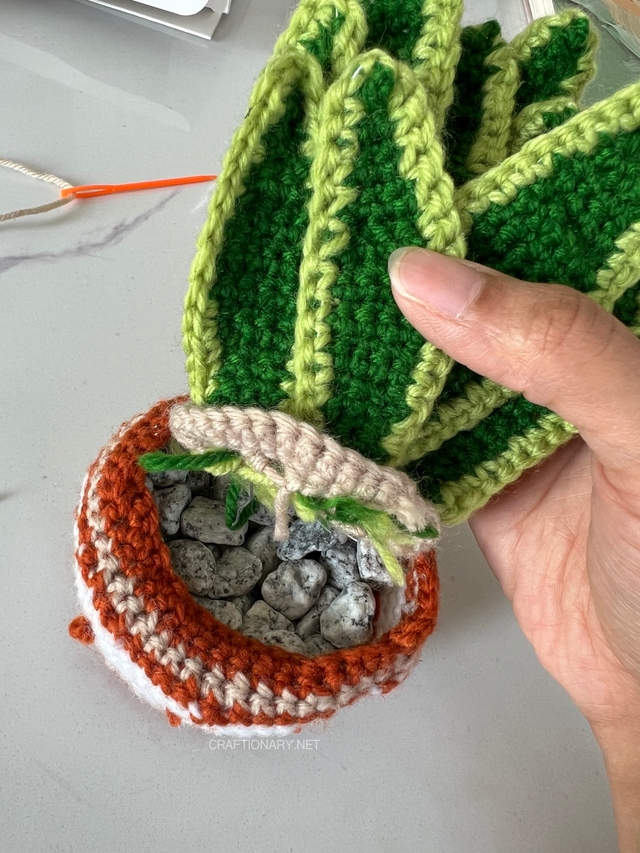
- Correction: Cut a circle of stiff cardboard to fit the bottom of the crocheted pot. Before covering the soil, add a layer of small pebbles or decorative stones. This lowers the center of gravity and ensures that your plant stays upright on a desk or table.
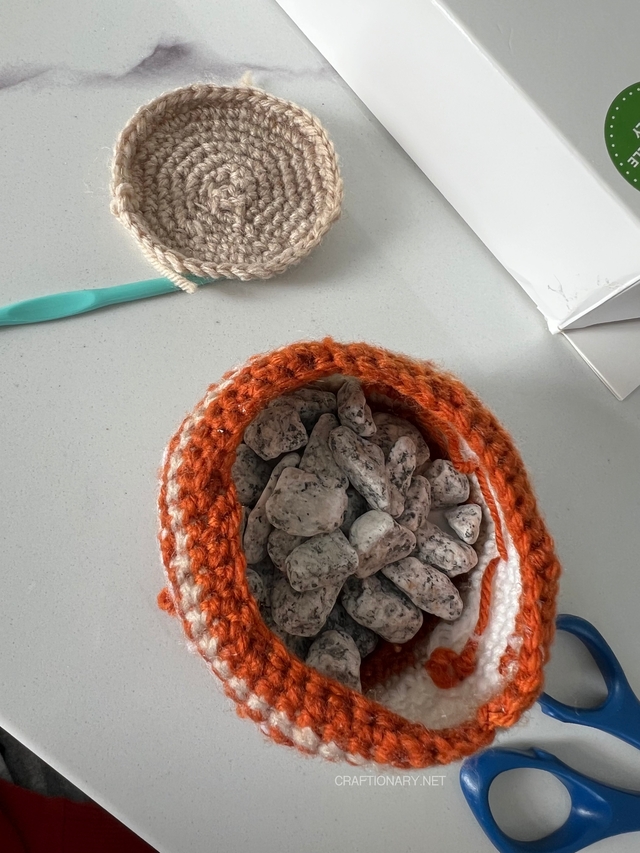
- Tip: Add polyester stuffing to shape the pot while you sew the clay on top.
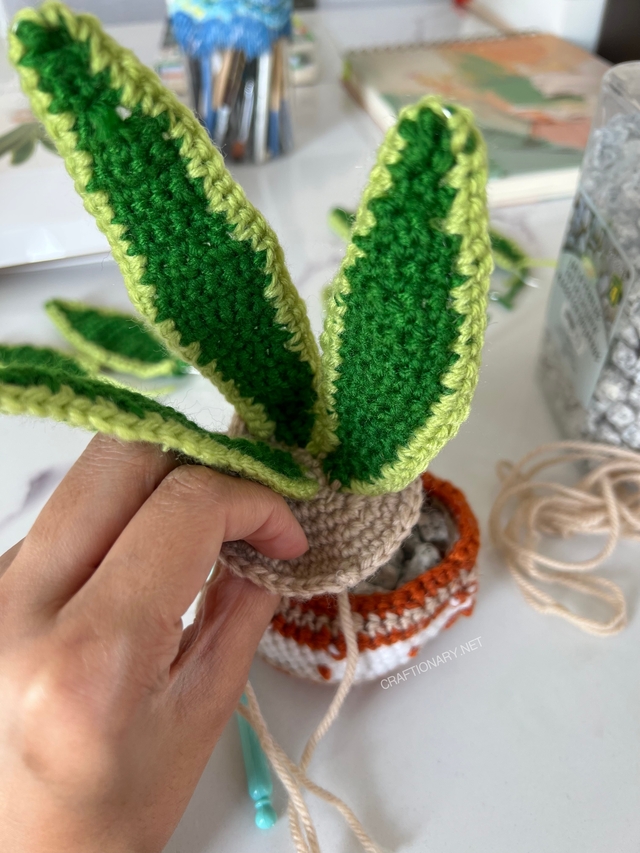
2. Perfecting the leaves
To give the leaves their signature texture:
- Wire placement: Pass your floral wire through 3-4 points on the outer edge of the leaf before finishing the border chain. This keeps the wire in place and makes the final edge much easier to manage.
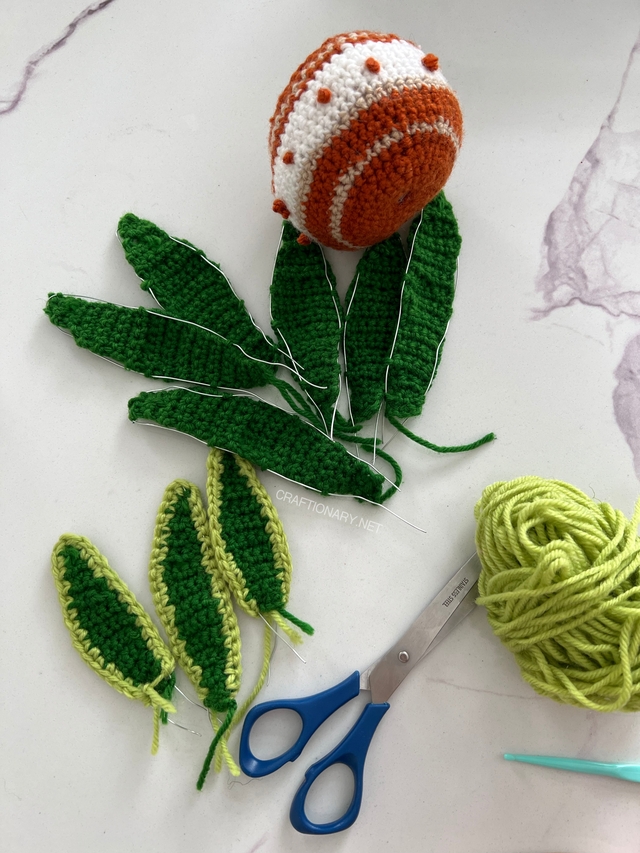
- Natural variation: Do not place your leaves in a straight line.
- Sew the tall and medium leaves randomly in the middle, and place the small ones on the outer edges.
- Use extra hanging wire to secure the leaf on the wrong side of the ground by tucking in and pinching the two ends to keep the leaf upright.
- Then sew the sides and center of each leaf individually.
- Once you have stitched all the leaves, twist, angel and spread naturally.
3. Seamless soil stitching
Bend part of the soil just below the top row of the pot to make it look like the soil is inside the pot instead of sitting on top. This creates a small lip on the planter that looks more realistic.
Frequently Asked Questions
How long does it take for a beginner to crochet a plant?
Expect to spend 3-5 days on your first project. The first 48 hours are usually devoted to learning basic chain and single crochet movements.
What if you can’t read written patterns?
Don’t worry – most beginners can’t! First follow the video tutorial. As you look at the creator’s work, look for written patterns together. Eventually, the abbreviations (sc, inc, dec) will start clicking.
What materials do you need if you’re not using a kit?
- hook: 4.0mm or 4.5mm (G or H).
- Yarn: Medium weight (4) cotton or acrylic in dark green, light green and brown.
- Additional: Floral wire, polyester fiberfill, pebbles and tapestry needles.
- Pattern: A design to follow to create your project.
Once assembled, don’t be afraid to twist and bend the leaves. Real snake plants have organic curves and sloping edges. Place your finished piece next to a diffuser or bamboo plant to add a pop of immortal life to your indoor garden.
Written by: Hani Shabbir
Why this project makes real crochet skills
This one project teaches:
- How to hold a crochet hook
- How to read patterns
- How to shape the pieces
- How to assemble projects
You may also like:
DIY Glass Tile and Stone Indoor Garden Art



