
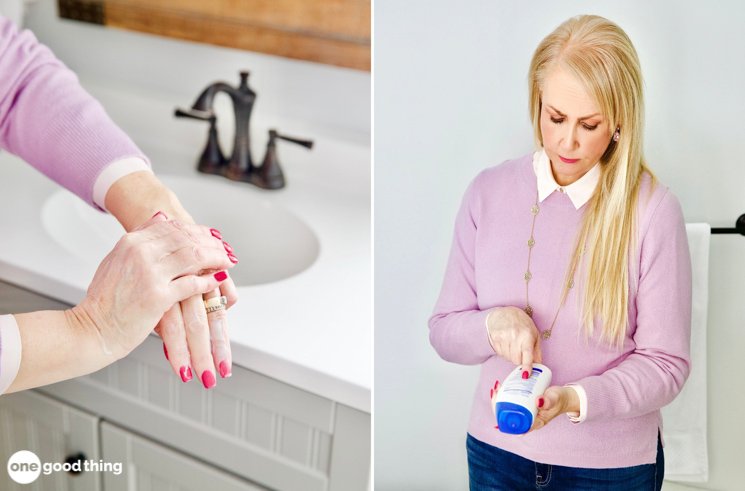


Sometime last fall, I mentioned to my family that my skin was feeling drier and more irritated than usual. I have sensitive skin to begin with, but this constant irritation was a new development.
My son Cal told me he was also experiencing dryness and irritation, which makes sense since he seems to have inherited my sensitive skin. I wondered what could be causing our skin problems, so I decided to do some research to find out what the problem was!
What I discovered is that we were unknowingly exposing ourselves to one of the worst ingredients that people with sensitive or dry skin can use! I’ll tell you all about what that ingredient is and why you might want to avoid it in today’s post!
Worst ingredient for people with dry skin: Sulfates
After doing some research online, I pinpointed the culprit of our ongoing skin problems: sulfates. Apparently, sulfates, commonly found in shampoos and conditioners, are often too harsh for people with sensitive or dry skin.
To understand why sulfates are not suitable for people with sensitive skin, it helps to know what sulfates actually are and how they work!
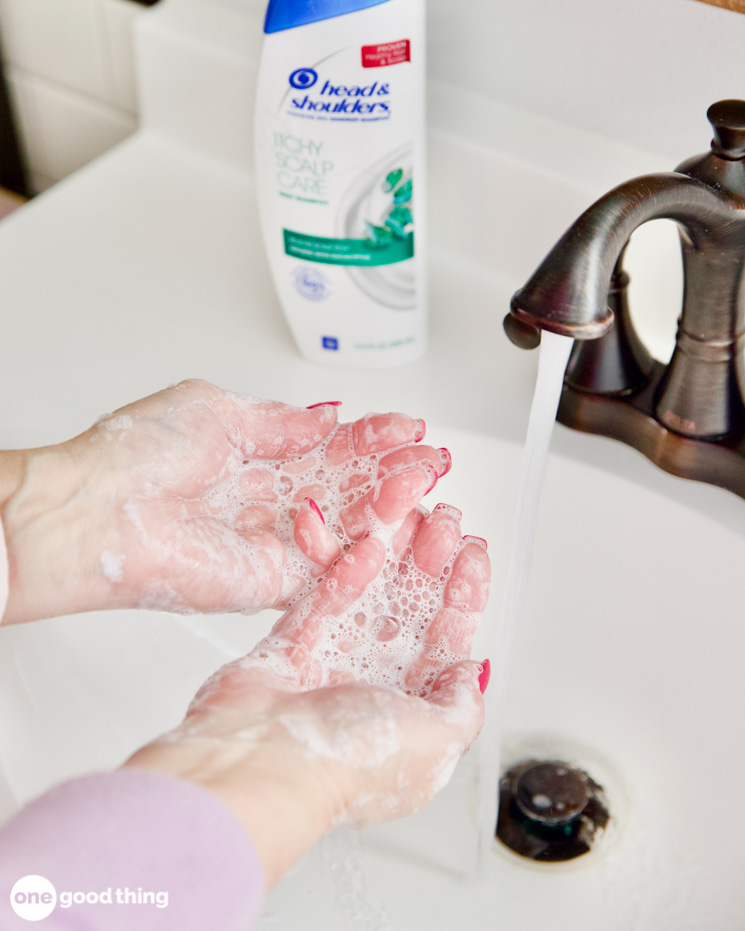
What are sulfates and how do they work?
Sulfates are a type of surfactant common in soaps, cleansers, and other cleaning and personal care products. They help in removing dirt and oil from the skin and also help in producing lather and lather during use.
Sulfates are extremely effective at removing oil and dirt from the skin, and are therefore often too harsh for people with sensitive skin. Sulfates can disrupt the skin’s natural barrier that helps keep the skin moisturized, which can further irritate sensitive and dry skin!
The most common sulfates found in hair care products include sodium lauryl sulfate and sodium laureth sulfate. And while they seem similar enough, it’s important to understand how they differ!

Sodium Lauryl Sulfate Vs. Sodium laureth sulfate
While these two sulfates have similar names and functions, they are sodium Laurel Sulfates pose a greater threat to people with dry skin. That’s because it binds to proteins (like the ones that make up your skin) more than sodium laureth sulfate.
Because of its protein-binding action, sodium lauryl sulfate has a high potential to irritate sensitive skin. Some people find they tolerate sodium laureth sulfate better than its more irritating cousin, so that’s worth keeping in mind!
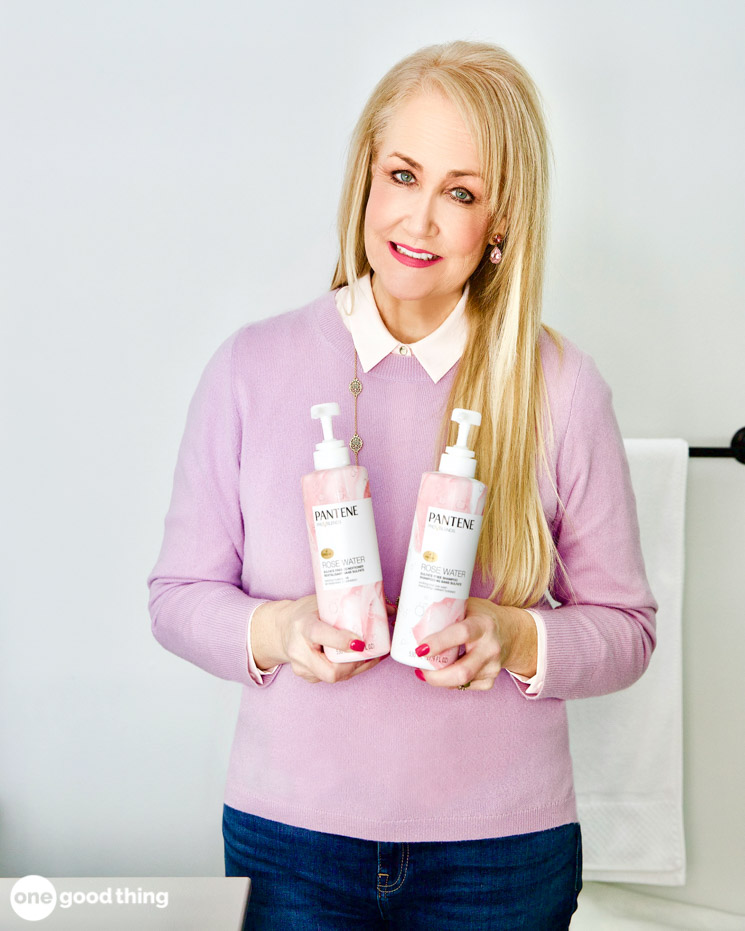
Switching to sulfate-free products
After learning all this, I picked up new sulfate-free shampoos and conditioners for me and Cal. And after just a week or two of using it, we were both seeing an improvement in the dryness and irritation we were suffering from!
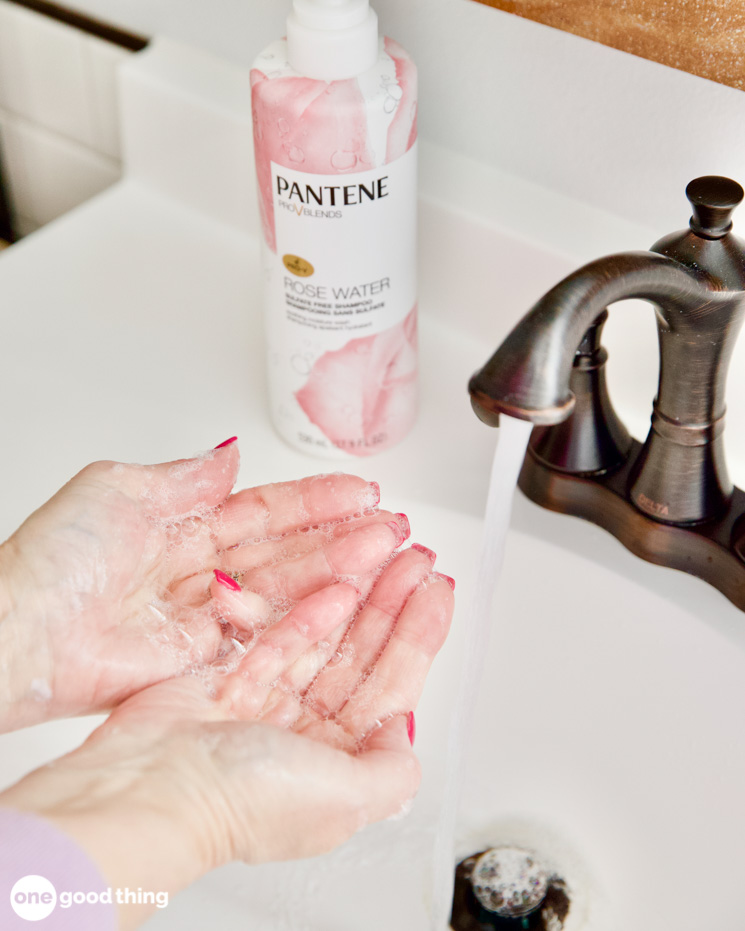
If you have dry or sensitive skin, I recommend trying a bunch of sulfate-free hair care products. It could be the best switch you can make for your skin! 🙂
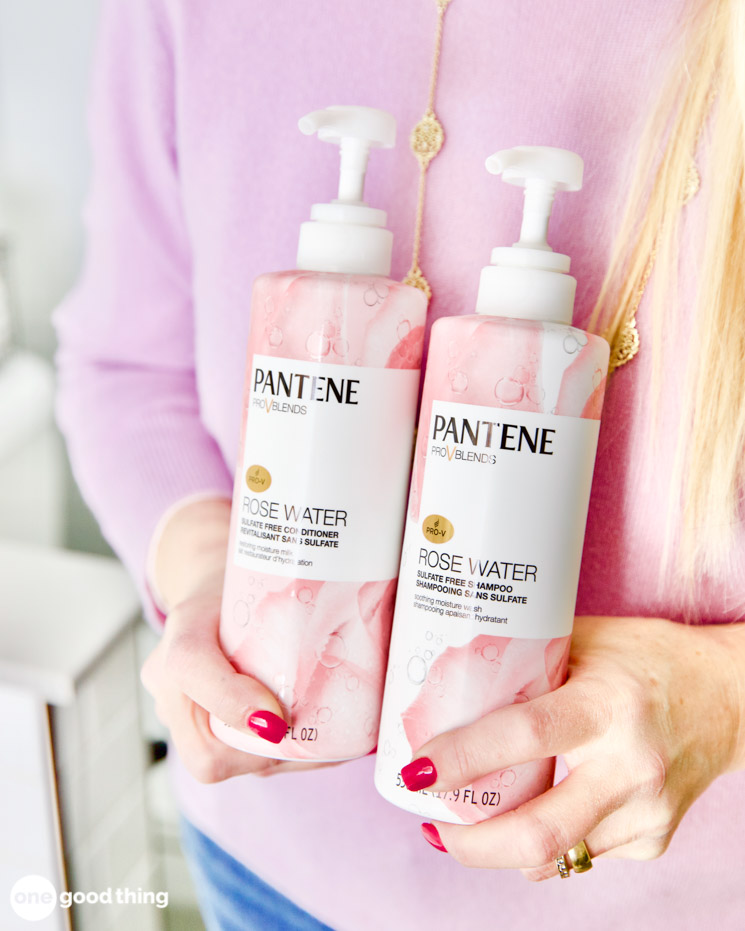
What sulfate-free shampoo and conditioner should I use?
Want to swap your current shampoo and conditioner for sulfate-free options? Here are some great options (both store-bought and homemade) for your consideration!
Sulfate-free shampoos and conditioners can also be helpful for people with curly hair. Some people even go without shampoo altogether.
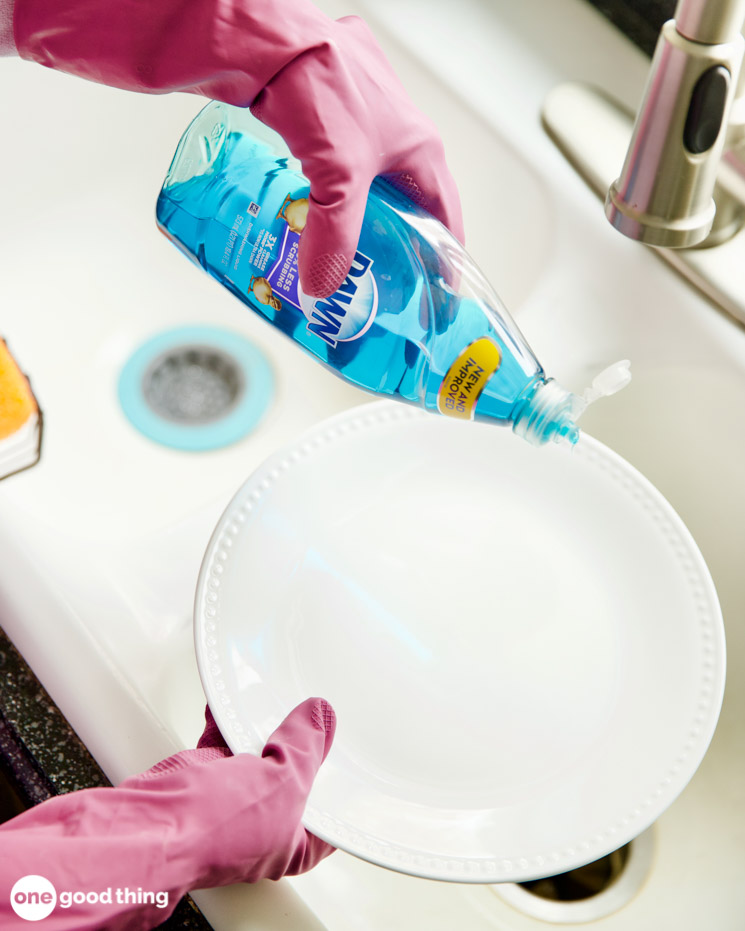
Don’t forget about the dish soap!
- In addition to shampoos and conditioners, sulfates are also commonly found in dish soap.
- If you have dry or sensitive skin, be careful when washing dishes by hand.
- A simple pair of cleaning gloves can help keep the soap off your skin!
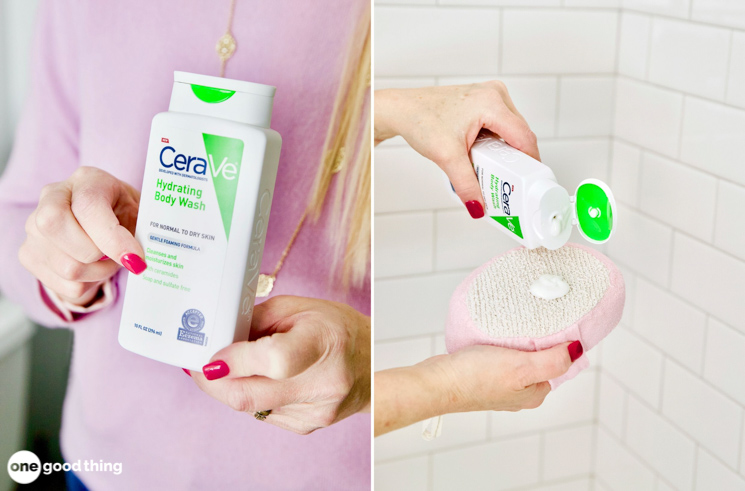
And while you’re at it, you should also check your body wash for sulfates! This CeraVe Hydrating Body Wash A good sulfate-free option is.
Do you use sulfate-free shampoo or conditioner?



