


Some towns have a way of slowing you down. This is exactly that kind of place in Vermont.
The streets are lined with Federal and Georgian architecture, the village green looks like something out of a storybook.
Believe it or not, every bend in the road offers another reason to pull over and look around.
I spent a weekend here, except for a loose tour and a full tank of gas. I wish I had left an extra night booked.
Historic shopfronts, nearby working farms and shaded country back roads fill out an easy, leisurely itinerary.
Ready to swap your packed itinerary for a gloriously lazy weekend drive?
The Heart of the Village Green
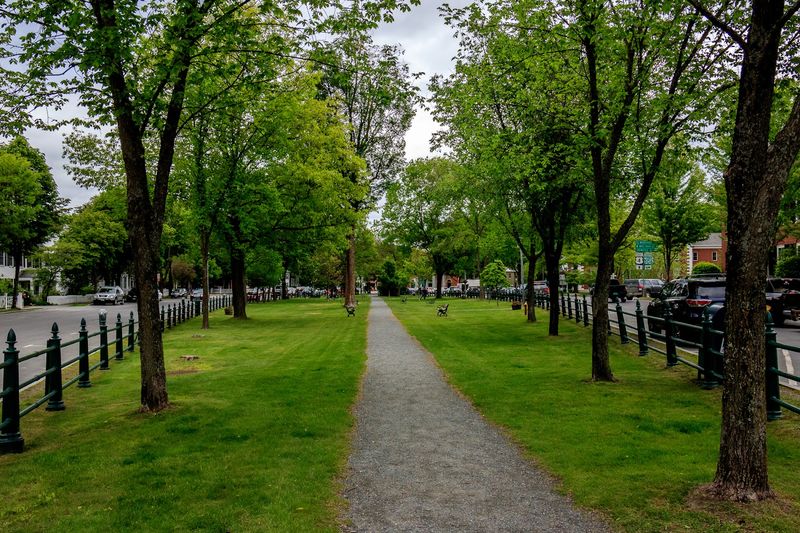
There is something immediately calming about arriving on the Woodstock Village Green.
The central square, known simply as the Green, is framed by some of New England’s most well-preserved historic architecture.
Federal-style houses and Georgian storefronts stand out, giving the whole area a composed, unassuming character.
One building that stops you in your tracks is the Norman Williams Public Library. Built in the 1880s of pink sandstone in a Norman-style design, it looks almost too grand for a small town.
You can go inside to admire the interior, which seems like a quiet reward for the curious traveler.
The green itself is an excellent starting point for any visit. Benches are scattered around, and locals often gather here in the morning.
Seasonal events, from vibrant summer farmers’ markets to festive winter holiday displays, often bring the lawn to life. It serves as both the physical heart and social living room of the entire community.
It takes about ten minutes to walk the perimeter of the green, but most people find themselves taking longer than planned.
Billings Farm brings history alive
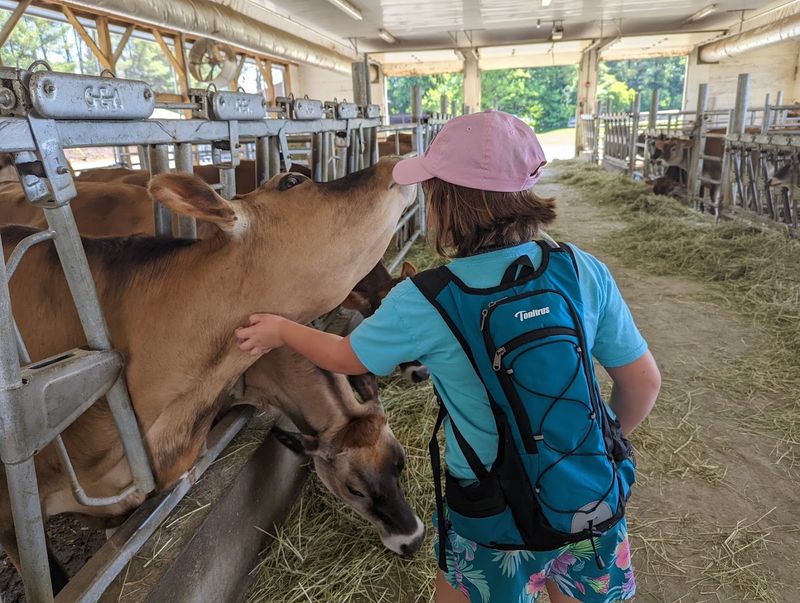
Just north of the village center, Billings Farm and Museum is one of those places that surprises you with just how fascinating it really is.
This is a fully operational dairy farm, not a replica or themed attraction. Real Jersey cows graze in the fields, and the smell of fresh grass follows you from barn to barn.
The museum side of the property takes you back to 19th century Vermont farm life. The 1890’s farmhouse has been carefully restored and is filled with period furnishings and equipment.
The exhibits take you through the seasonal farming cycle, from planting to harvesting, in a way that feels personal rather than textbook.
What makes this stop memorable is the sense of continuity. The farm has been in operation since 1871, and that history isn’t just displayed, it’s lived.
Kids love the hands-on activities, and adults linger on the exhibits longer than they expected.
Billings Farm is a real highlight of any Vermont weekend, and it’s located just a short drive from the main square.
Routes through National Treasures
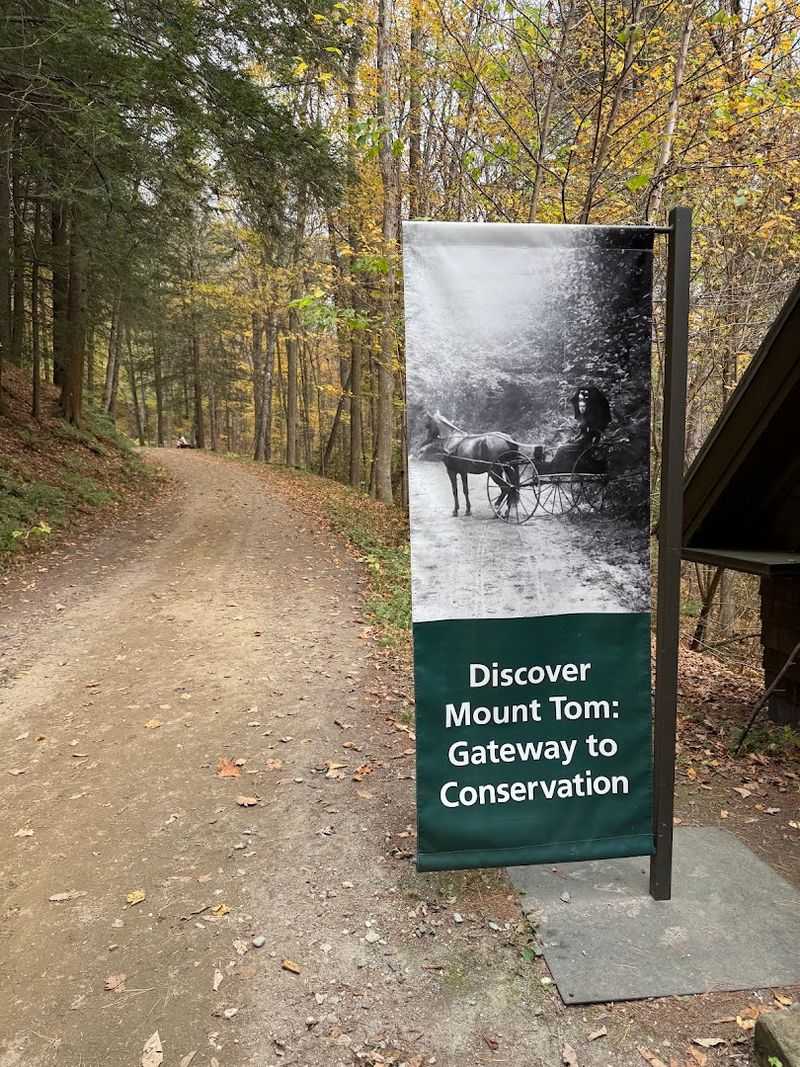
Right next to Billings Farm is one of Tate’s most underrated outdoor spaces.
Marsh-Billings-Rockefeller National Historical Park is the only national park in Vermont, and it holds this distinction with quiet confidence. The park covers over 550 acres of managed forest and carriage roads that have been maintained since the 1800s.
The trail network here is really beautiful. Wide carriage roads wind through hardwood forests and past open fields, while narrow footpaths climb Mount Tom for sweeping views of the valley below.
In fall, the colors here are nothing short of spectacular, and even in winter the trails offer a serene snowshoe experience.
At the center of the park is the Marsh-Billings-Rockefeller Mansion, a Queen Anne-style home built in the 1800s. Guided tours of the mansion reveal fascinating stories about conservation history in America.
The park is also notable as the former home of George Perkins Marsh, widely regarded as the father of the American conservation movement.
The architecture tells its own story
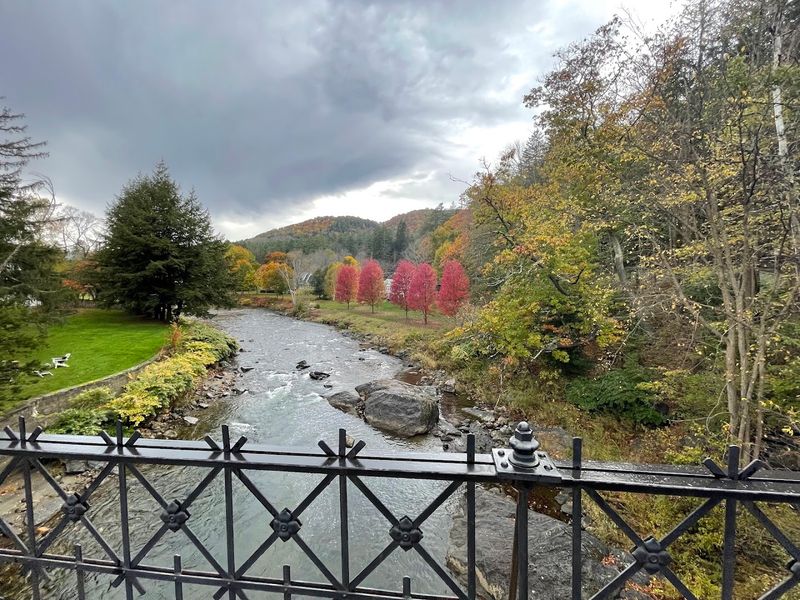
Few small towns in the state wear their architectural heritage as proudly as this one does. The city has five covered bridges within its borders, each a reminder of 19th-century craftsmanship.
Elm Street and Central Street are especially rewarding to walk. Homes here range from early Federal-style structures to later Victorian designs, and nearly all are in excellent condition.
Historic preservation efforts have left the streetscape remarkably intact, which is rare for a town that serves as a popular tourist destination.
The Woodstock Inn & Resort anchors one end of the green and adds a sense of grandeur to the town center. Its classic New England facade fits seamlessly into the surrounding streetscape.
What I find most impressive is that none of this feels like a museum. People live and work in these buildings every day.
Somehow the town functions, breathes and evolves with its historical bones perfectly in place.
The seasons shape each visit differently
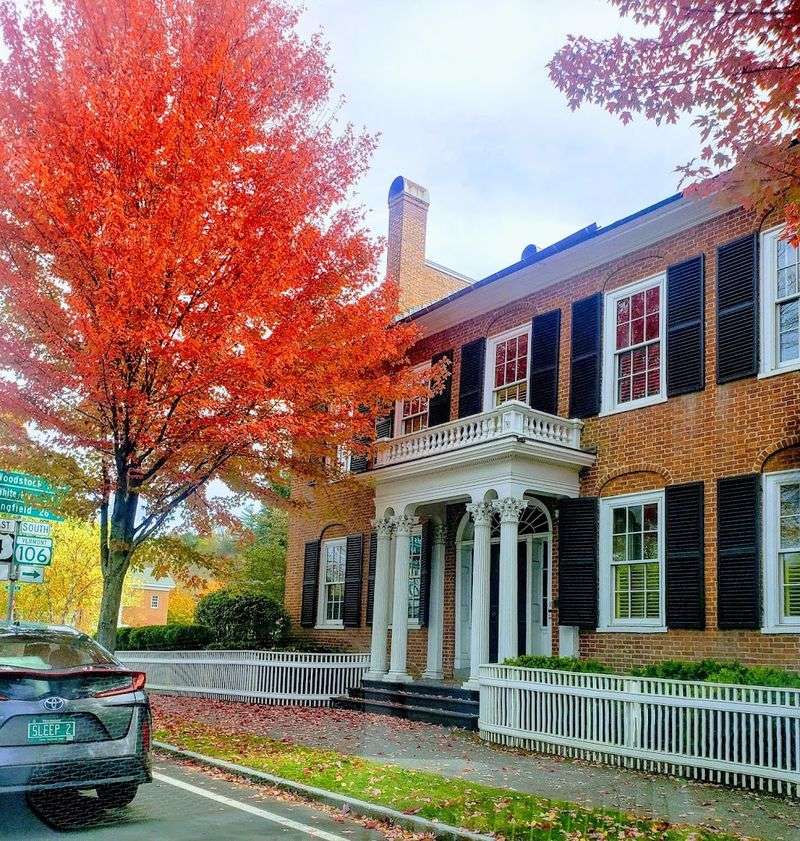
Timing your trip to Woodstock can feel like picking a favorite season, which is nearly impossible because each one offers something truly different.
The downfall is an obvious crowd-pleaser. The state’s foliage season typically falls in early to mid-October, and the hills surrounding the town turn into a slow-burning display of reds, oranges and golds.
Winter brings a quieter, more intimate version of the city. Cross-country skiing is available nearby at the Woodstock Inn Nordic Center, which operates groomed trails on property.
The village itself takes on a cozy, lamp-lit quality when the snow covers the green.
Spring arrives slowly in Vermont, but when it does, the fields and farms around town come alive with fresh energy. Summers are warm and green, perfect for hiking, bicycling, and exploring farmers markets.
Each season essentially redecorates the same town, meaning a return visit never feels unnecessary. If you can only go once, autumn is a great choice, but don’t sleep on a January weekend either.
Local food finds worth out
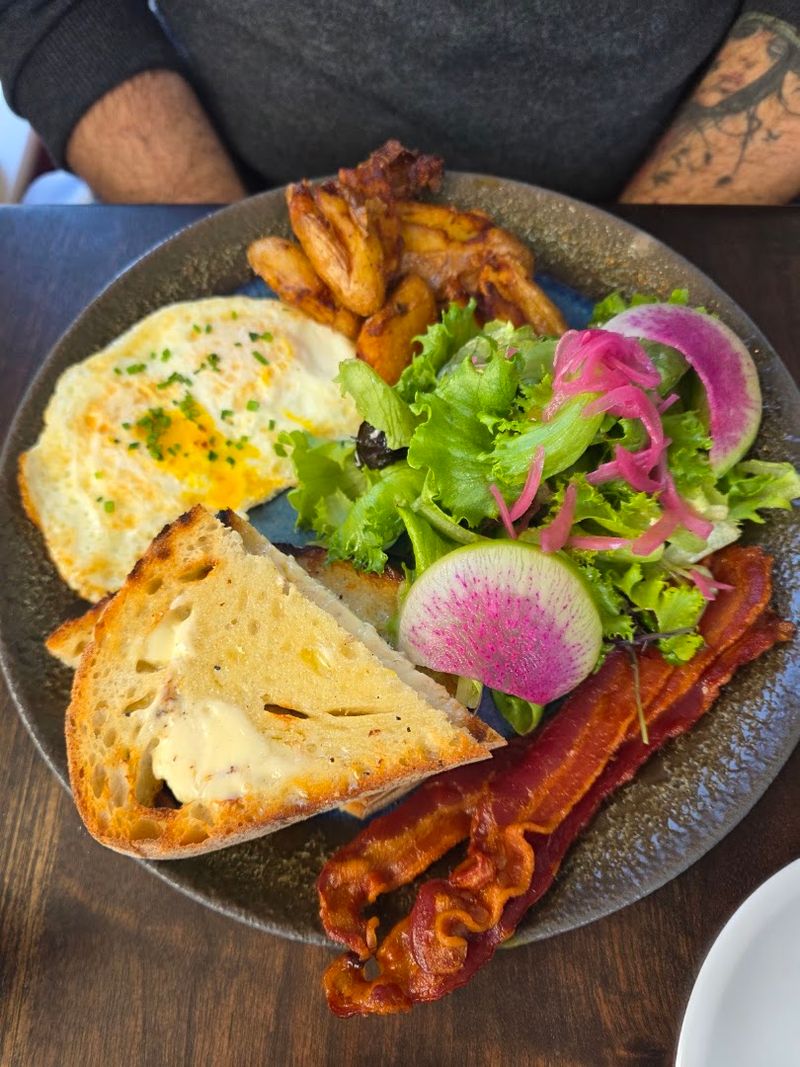
The food scene in a small Vermont town like this one mirrors its surrounding landscape.
Locally sourced ingredients appear on menus throughout the village, and you don’t have to look hard to find something more decadent. The city punches above its weight when it comes to dining options.
Breakfast spots near Leela fill up fast on weekends. Expect hearty plates built around local dairy, maple syrup and seasonal produce.
Here the maple is the real thing, not the imitation kind, and it shows up in everything from pancakes to salad dressings.
Lunch options range from casual sandwich shops to sit-down bistros with thoughtful menus. Some locations source their produce directly from farms in the surrounding area, including operations far away from Billings Farm.
Dinner is a more relaxed affair, with restaurants that encourage you to slow down and enjoy your meal rather than rush through it. Food in this part of the state is honest, well-made and deeply connected to the land.
Buy small and do it right
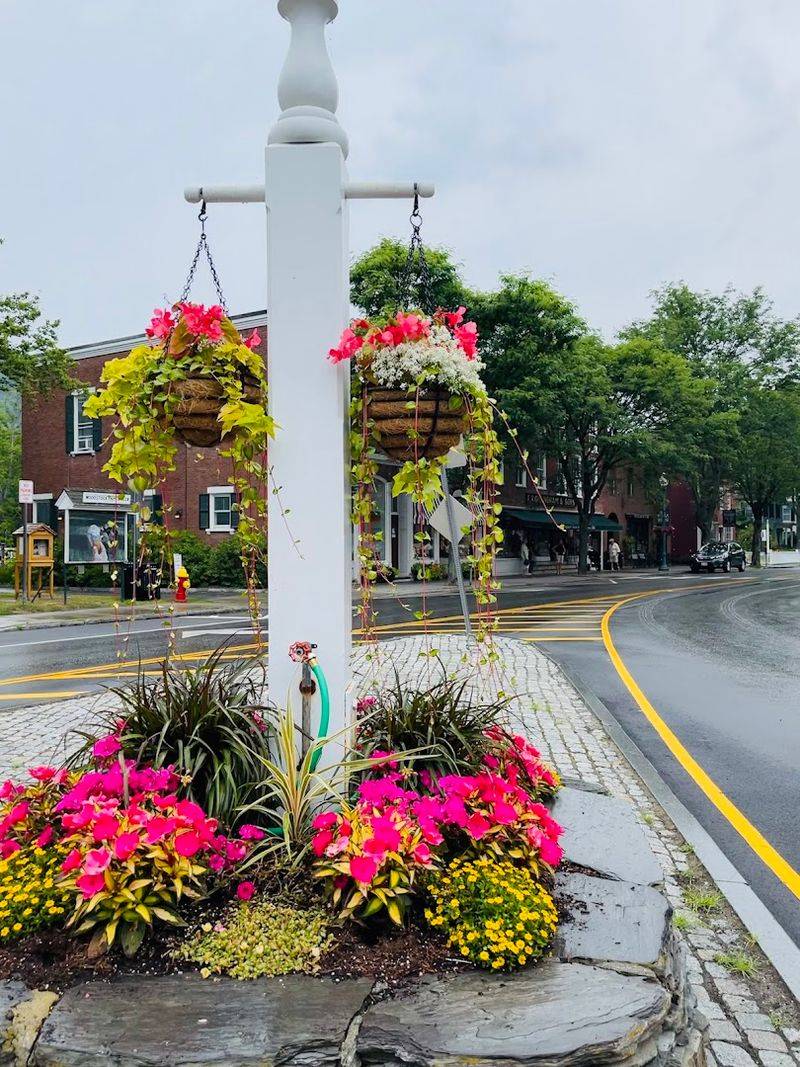
There are no chain stores cluttering the sidewalks here, and that’s pretty much by design.
Woodstock’s shops are small, independently owned and carefully curated. Browsing them feels less like shopping and more like a slow discovery of what the city is worth.
You’ll find bookshops, art galleries, kitchen stores and clothing boutiques in historic storefronts. Many of the galleries feature work by Vermont artists and the quality is consistently high.
Picking up a piece of local art or a handmade ceramic is a better souvenir than you can order online. FH Gillingham & Sons General Store deserves its own mention.
Operating since 1886, it is one of the oldest continuously operating general stores. The shelves are filled with local jams, cheeses, maple products and specialty foods that make great gifts.
Spending an hour wandering through the shops of this town is one of those low-key pleasures that somehow becomes the highlight of the entire trip.
Practical tips for your weekend drive
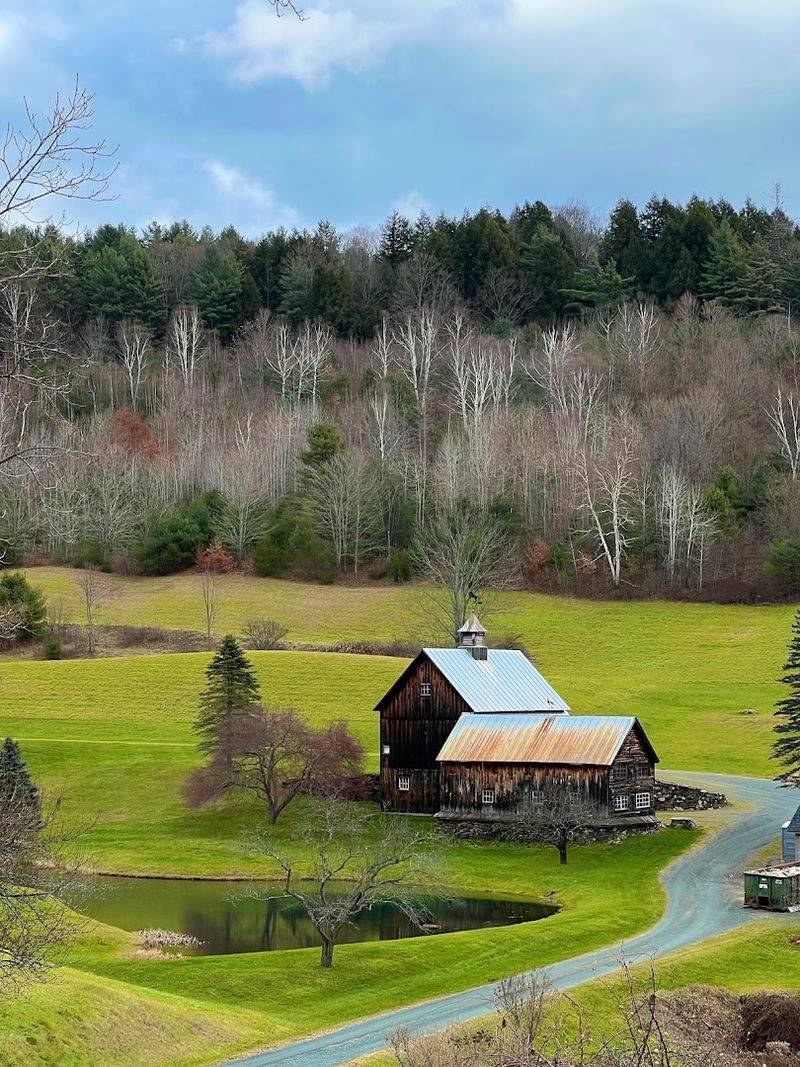
Getting to Woodstock is part of the fun, especially if you approach Route 4 from the west.
The road winds through rolling hills and past covered bridges before dropping you straight into the center of the village. Plan a drive for a clear morning and you’ll already be in a good mood.
Parking is available near the green and on side streets, though it fills up quickly on fall weekends. Arriving before 10 am gives you a real advantage.
Most of the main attractions are within easy walking distance of the village centre, so once you’ve parked, you can leave the car for most of the day.
The weather is famously unpredictable, so layers are always a smart call. A light rain jacket fits easily into a daypack and can save an afternoon. Cell service is decent in town but can drop off on some hiking trails.
Download any trail maps before you head out. Woodstock rewards slow, attentive visitors, so resist the urge to rush and let the town set the pace for you.



