


Houseplants are more than just decoration; They add life to the home and also improve air quality. However, not every plant that looks good on a shelf or in a corner really belongs indoors. Some houseplants can pose health risks, be challenging to maintain, or harm pets and children.
Here’s a list of seven popular indoor plants that may be better off outside — or avoided entirely.
Dieffenbachia

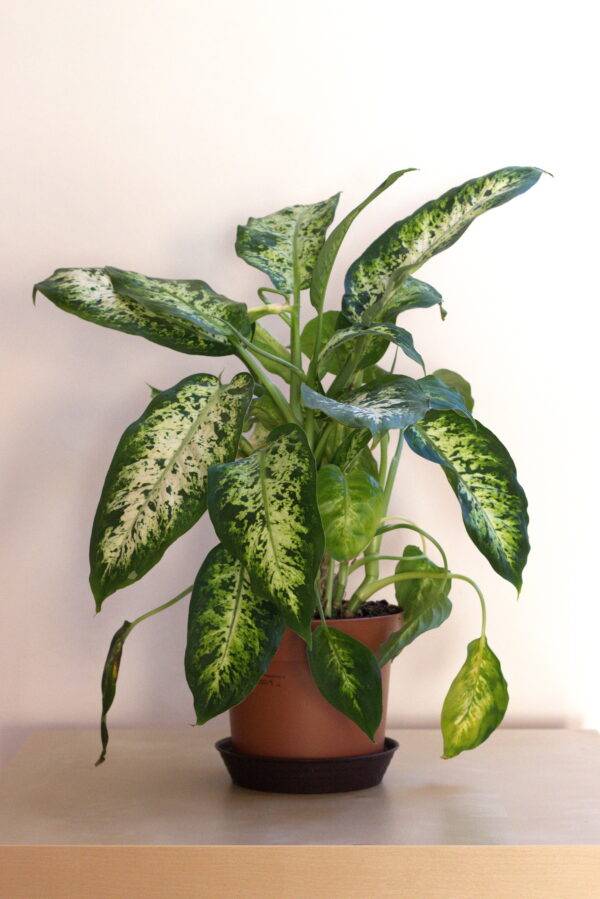
Nicknamed the “dumb cane” for its ability to cause temporary speech loss if ingested, Dieffenbachia’s attractively variegated leaves make it a popular choice for homes. However, this plant contains calcium oxalate crystals that are highly toxic to both humans and pets. Touching or chewing its leaves can cause severe irritation, swelling and even difficulty breathing. If you have children or curious pets, it is better to leave this plant outside.
Philodendron

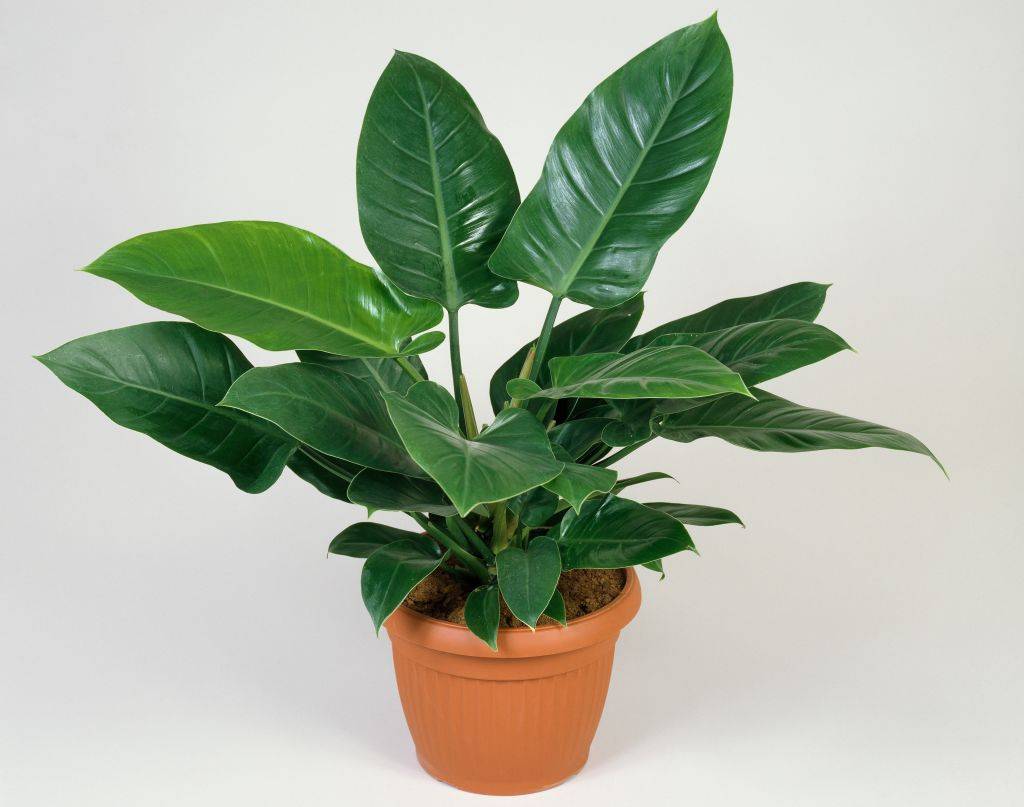
Philodendrons are beloved for their low-maintenance nature and lush foliage, but they’re not as innocent as they seem. Like dieffenbachia, philodendron contains calcium oxalate crystals that can cause irritation, vomiting, and swelling if ingested. Their climbing vines can also tempt pets to nibble on them. If you are willing to keep one, keep it out of reach, but be aware of the danger.
Oleander

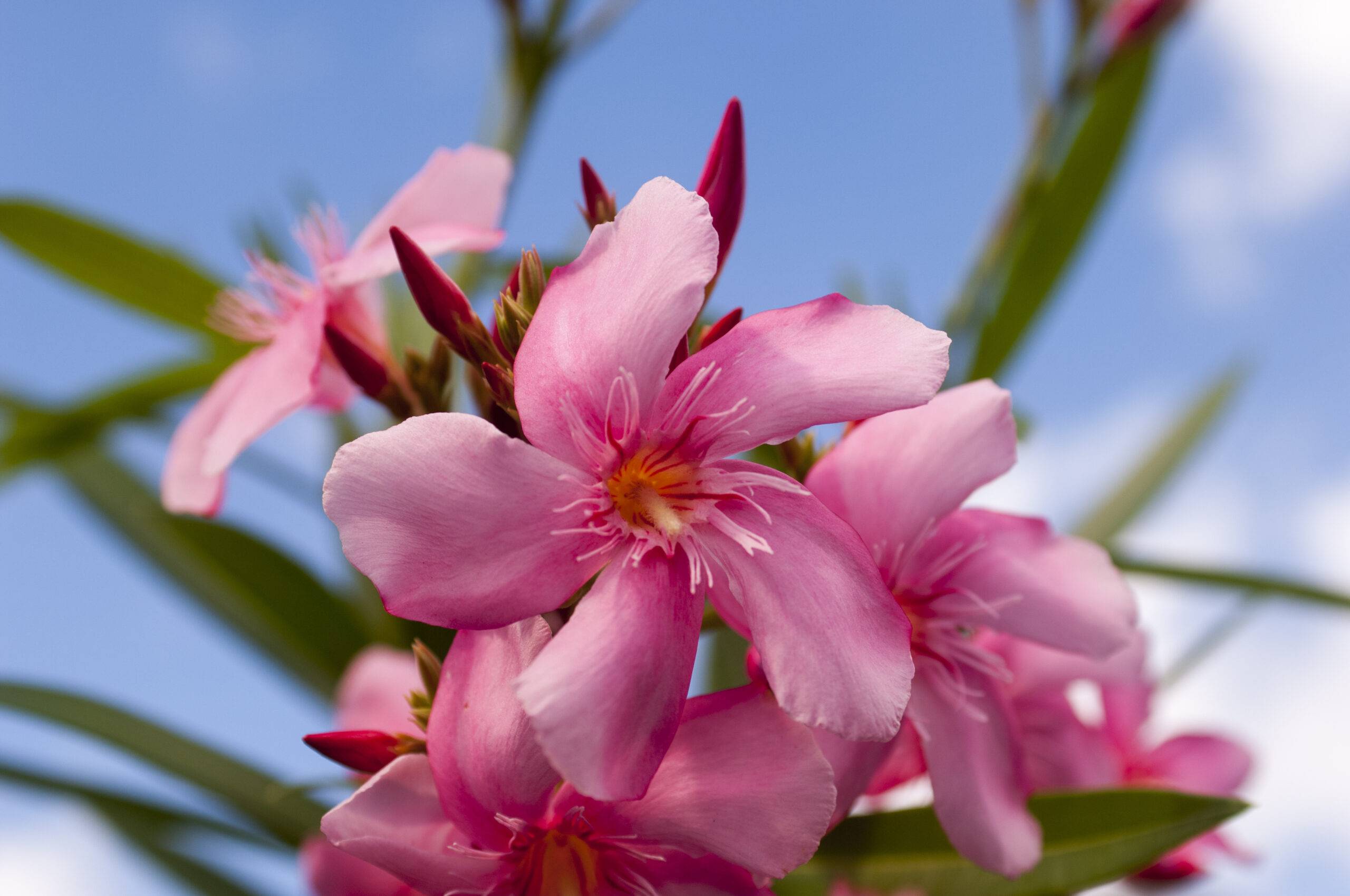
With its beautiful blooms and glossy leaves, oleander seems like a good choice to brighten up your home. Do not be fooled – this plant is the most poisonous in the world. All parts of oleander are poisonous and even small amounts can cause serious reactions, including heart problems. It is best admired from a distance, perhaps in a well-ventilated outdoor garden.
Pothos

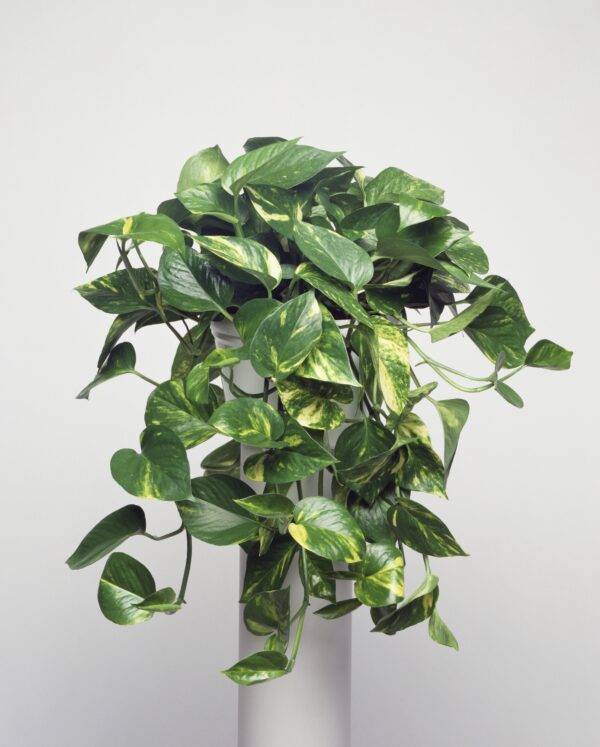
Pothos, also known as devil’s ivy, is a great plant for beginners because of its hardiness and trailing vines. However, its sap is mildly toxic and may cause skin irritation or digestive problems if ingested. Its rapid growth can also make it invasive, taking over other plants or sites if left unchecked. While it is a manageable houseplant for experienced owners, it is not ideal for homes with pets or small children.
rubber plant

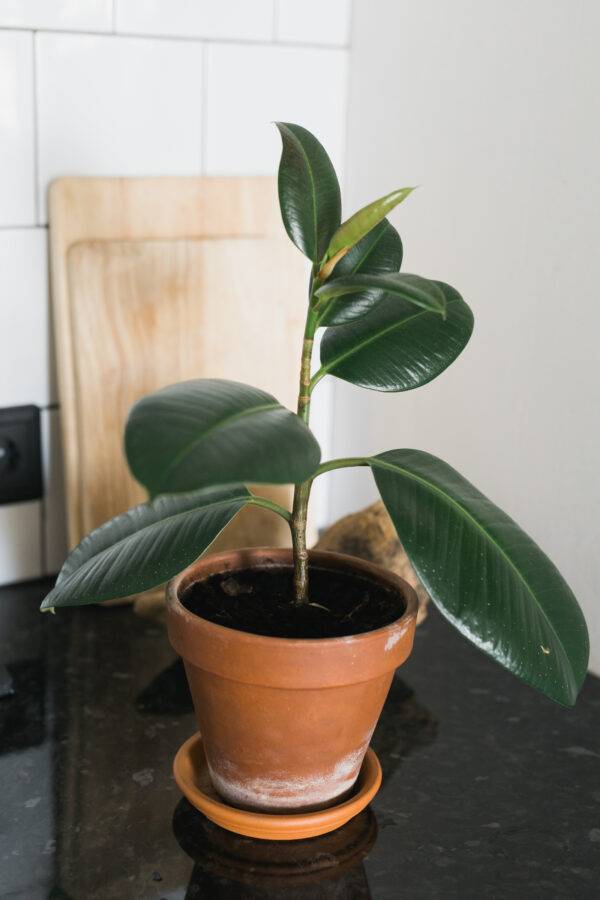
Rubber plants (Ficus elastica) are admired for their bold, glossy leaves, but they are not as harmless as they seem. Their juice contains compounds that can irritate the skin and eyes. Prolonged exposure to plant latex can also cause allergic reactions. Additionally, this plant can grow very large, making it difficult to keep indoors without constant pruning.
sago palm

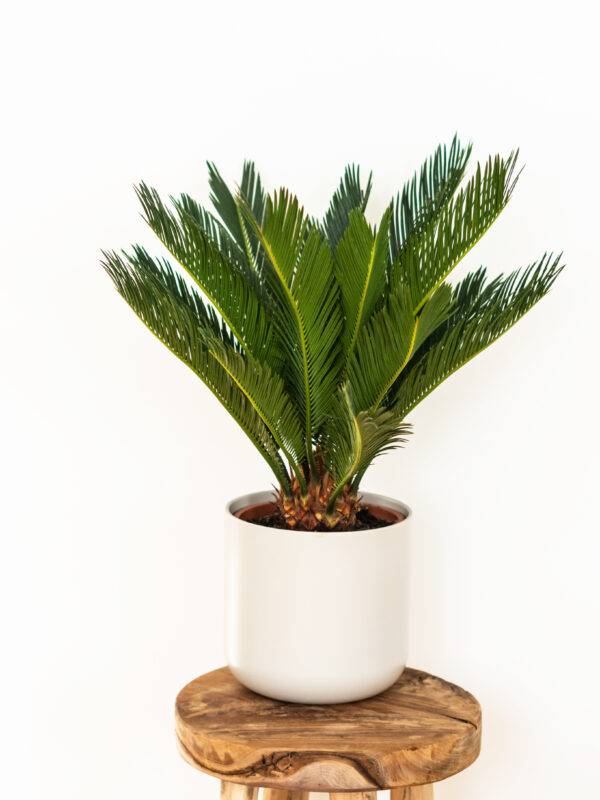
Don’t let the “palm” in its name fool you—this isn’t a true palm, and it’s certainly not a low-maintenance houseplant. Every part of the soap palm is poisonous, especially the seeds. Ingestion can cause severe liver damage in pets and humans. The plant’s spiky fronds can also be a hazard in tight spaces, making it a dangerous addition to your home.
Jade plant

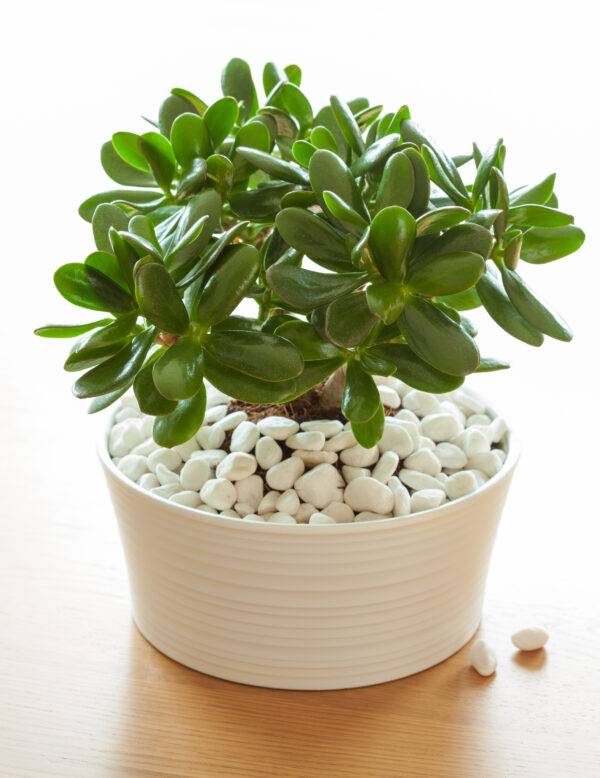
The jade plant, or Cressula ovata, is often seen as a symbol of prosperity and luck, but it’s not so lucky for pets. This juice contains compounds that can cause vomiting, lethargy, and coordination problems in cats and dogs. Its slow growth and easy care make it an attractive choice, but if you have furry friends, it’s best to pass on this one.
Related Articles:
While houseplants can enhance your home’s ambiance, it’s crucial to choose plants that are safe and practical for your space. If you own any of the plants on this list, consider relocating them to a location where they will be less of a threat—or swap them out for safer alternatives. Happy planting!
Ready to bring new life to your home? Subscribe to our newsletter for exclusive interior design tips, trends and ideas that will transform your space. Click here to subscribe!



