
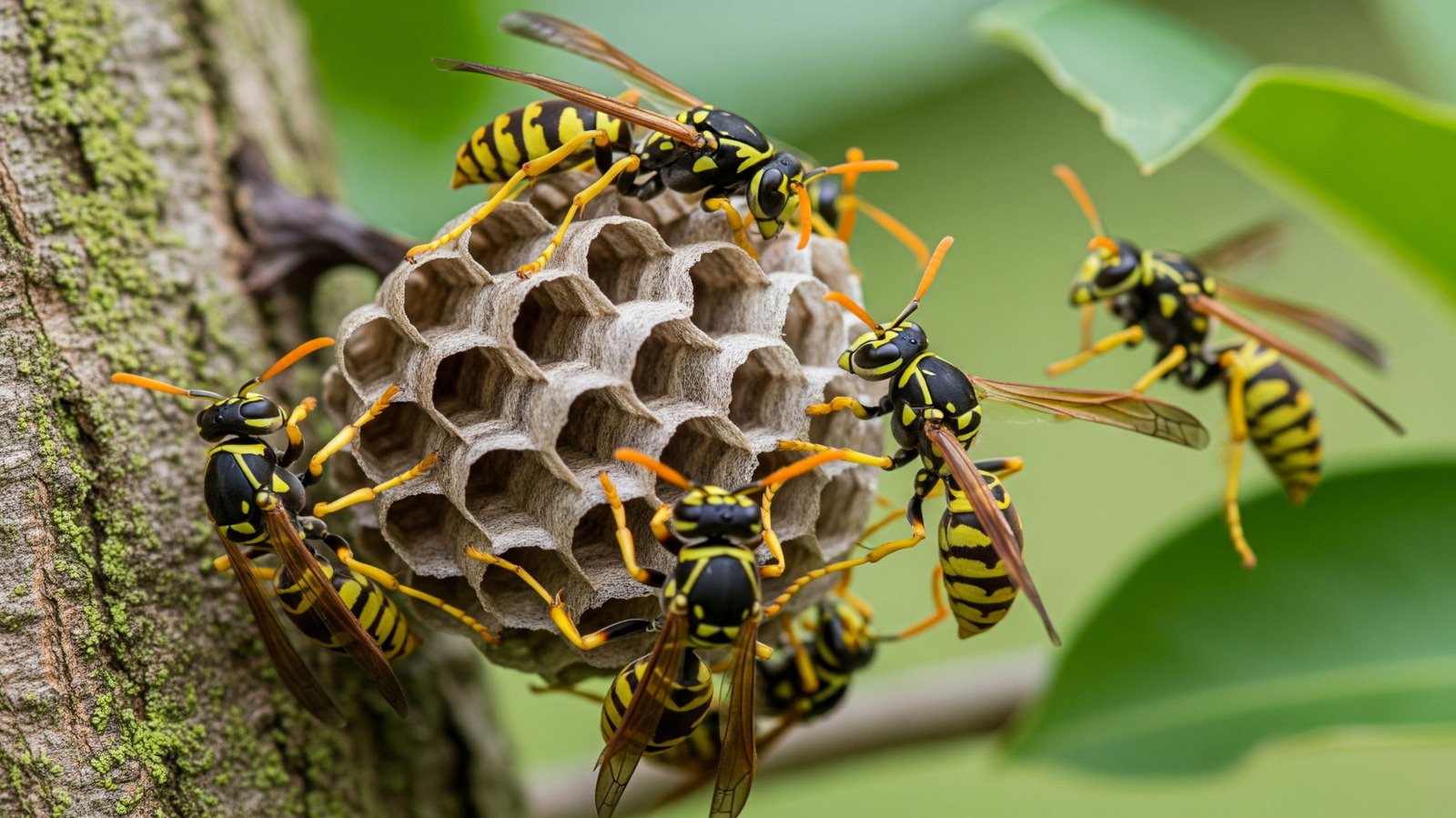

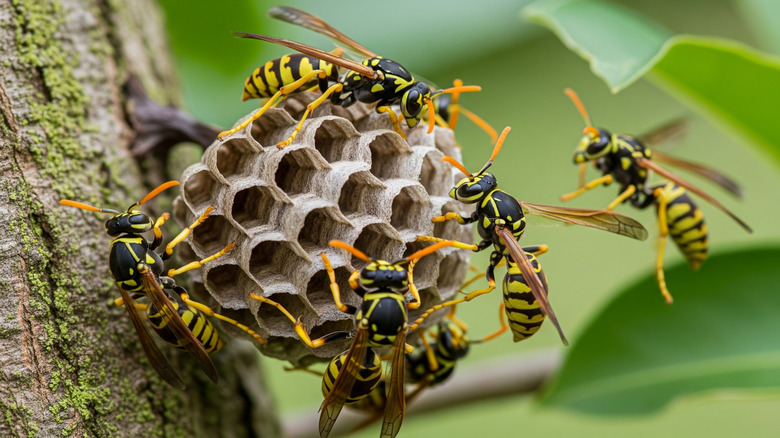
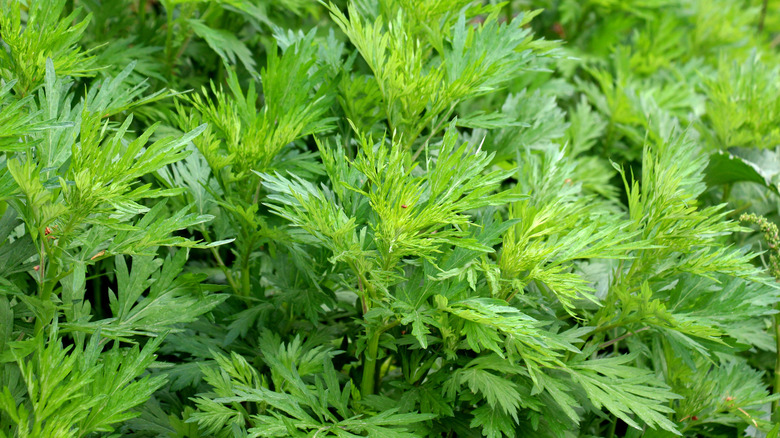
If you’re allergic to wasp stings or don’t want to see them flying around where your kids or pets play, you might be interested. How to get rid of wasps. However, removing wasps carries the risk of stinging. Repelling wasps before they arrive may be a better strategy, and there’s a plant that can help. Wormwood (Artemisia absinthium) is a low-maintenance shrub with highly fragrant leaves that wasps seem to hate.
Wormwood leaves have a strong herbal smell that some people find very pleasant but some insects, including wasps and herbivores, dislike it. The leaves contain absinthe-like compounds that are toxic to insects, which is why wasps want to avoid them. Although its effects on wasps have not been extensively studied, there is some anecdotal evidence that it repels wasps. A scientific study found that essential oil made from wormwood is somewhat effective at repelling wasps, so it’s not a stretch to think the plant is worth keeping around. It is so easy to grow that you can try to find it for yourself without much effort.
However, there are a few things to keep in mind before you plant wormwood. While it is toxic to wasps, it is also toxic to people and pets if consumed in large quantities. If you want to repel wasps near a place that children or pets visit regularly, you will need to monitor the area carefully or put a barrier in front of the plant. Additionally, wormwood is not native and grows a little too easily in some areas. It is considered invasive in some states, especially in the north, and in some areas of the western and midwestern US consider growing wormwood in containers or other plantings. Natural wasp wasp plant In those regions.
How to grow wormwood to repel wasps
When choosing your planting site, there are a few things to keep in mind. Wormwood is hardy in zones 3 to 9, but can be grown in containers and moved indoors if needed. It grows best in full sun but can tolerate partial sun as well. If you’re growing it near your porch or patio to keep wasps away, make sure it’s not completely shaded by any overhanging eaves or your roof. Avoid planting them too close to your garden, especially if you grow fruit. Since plants need to be pollinated to produce fruit, you don’t want to repel pollinators like wasps from them. Avoid planting too close to it Plants that attract and help pollinate For the same reason.
When it comes to soil, wormwood is not particularly picky about soil type as long as it is well-drained, but it thrives in poor to moderate soil. If the soil is too rich, it can become prickly and leggy, so avoid over-fertilizing to keep the stems thick and healthy. While mature plants can tolerate dry conditions and require well-draining soil, they may wilt during severe drought. Watering the soil when it is dry can help it stay fresh. After all, you want strong, healthy leaves to repel wasps.
Other than occasional watering, wormwood really only needs pruning and deadheading. Deadheading will prevent it from spreading by seed and allow the plant to focus on growing healthy leaves. Severe pruning can be used to control its size, keeping the plant short and bushy. Cut branches can be used to spread wormwood easily, which is great if you have multiple areas of your home that you need to protect from wasps.



