
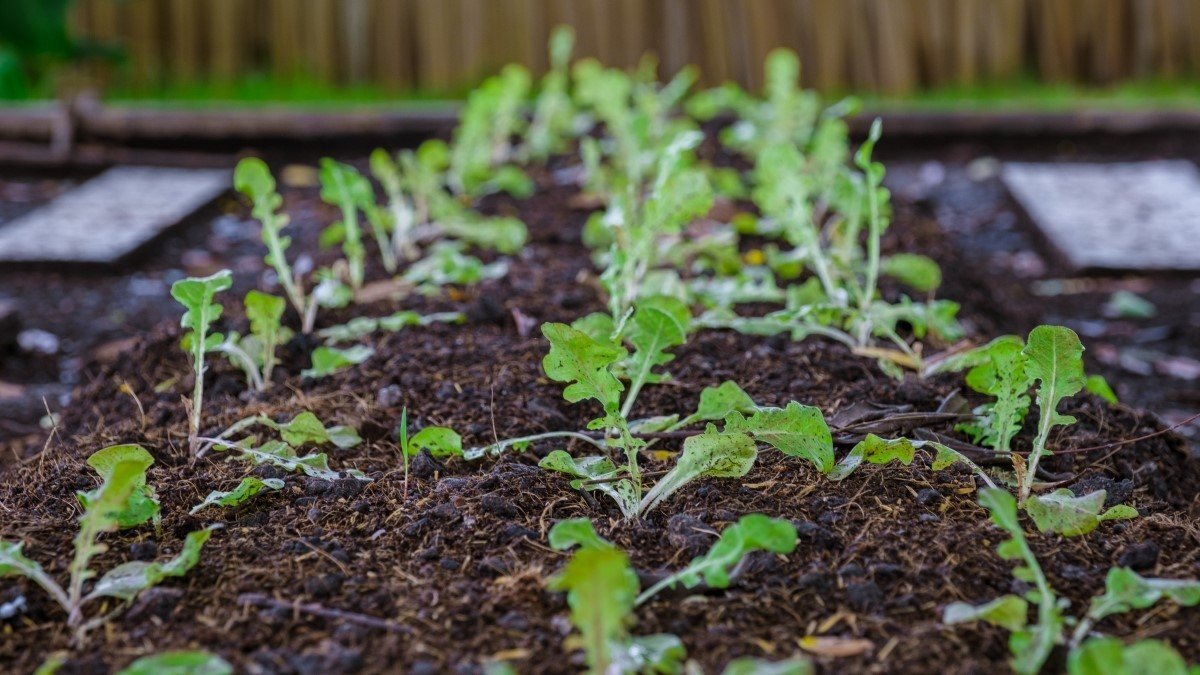

Want a garden that starts producing before the season even starts? This early-planting vegetable takes advantage of cool soil conditions, establishing quickly and delivering harvests when most gardens are just getting started.

Backyard gardening is not just about what you plant, but when you plant it. March creates a narrow window of opportunity where soil moisture, cool temperatures and a slow growth cycle work in your favor. Instead of waiting for warmth, these crops use the initial conditions for stronger roots and more stable growth.
Think fast greens that fill early gaps, root crops that grow better in cooler soils, and climbing plants that get established before the garden gets crowded. Whether you’re working with raised beds, an open field, or a small backyard plot, these vegetables show how earlier plantings change how the entire garden functions over the course of the season.
Peas that start slow and then take over

Peas are always the first thing I can work into the soil once. They don’t mind if it still seems early.
What I have noticed is that peas planted in cold soil do not rush. They sit, root, and then suddenly climb quickly after the temperature changes. If you wait, they grow too fast and never form an even base.
One thing that makes a difference here is setting up support early. Once they catch on to something, they move quickly, and if you’re late with trellis, you spend more time fixing than growing.
Spinach that tastes better when it’s a little tougher

Spinach in the spring behaves completely differently than later in the season.
When I sow in March, it grows slower, but the leaves stay thicker and hold up better. The taste is clean, less bitter. If I delay even a few weeks, it bolts too quickly and never develops properly.
It is one of those crops where time changes everything, not care.
Lettuce that continues to produce if you don’t rush it

Lettuce looks simple, but it reacts quickly to temperature.
What works best is to start early and not plant everything at once. I usually sow a small section, then repeat a week or two later. That way, they don’t all peak at the same time and disappear just as quickly.
Once it is established in cool soil, it grows evenly and continues to produce without needing much attention.
A radish that shows you the soil is ready

It’s less about harvesting radishes and more about what they tell you.
When they sprout clean and grow straight, the soil is in good condition. If they conflict or split, something is off. I have used it for years as a way to read the bed early in the season.
They come out quickly, clearing the space and leaving the soil open for whatever comes next.
Carrots require more patience than anything else

Carrots are never in a hurry, especially in March.
What changed for me was realizing that slow germination was not a problem. It’s part of how they set it up. As the soil cools, it becomes deeper and later solidifies.
The mistake is expecting quick results and disturbing the ground too soon. Once they’re in, it’s best to leave them alone and let them do their thing.
Beets that give you two crops from one plant

Beets are one of the few crops that seem generous.
I start picking the outer leaves early, before the roots are ready. This way, the bed is already producing while the rest is still developing.
They also handle temperature swings without overreacting, making them reliable when the spring is unpredictable.
Arugula that fills the initial gap

Arugula is what I plant when I want something to happen quickly.
It comes quickly, fills up space, and gives you something to harvest before anything else is ready. I keep it close, near paths or edges, because it’s the kind of crop you pick up often.
It doesn’t last forever, but that’s the point. It carries the garden in the early stages.
The green onion that sticks out but always delivers

Green onions require no planning. They fit wherever there is space.
I usually tuck them between rows or along the edges, and they grow without interfering with anything else. It is one of the few things that continues to produce quietly without asking for adjustments.
Once they are in, they are only useful.
That’s the part that makes the difference
What matters is not how much you plant, but when you start. These crops are for cool soils, while retaining moisture and growing below the surface before anything appears above it. If you wait for perfect weather, you’ll lose that benefit.
Instead of looking at the calendar, focus on the soil. If it breaks apart in your hand and doesn’t stick, it’s ready. Even with the risk of frost, a simple cover is enough to protect it without slowing early growth. The season doesn’t start when it feels hot outside. It begins the moment the land is ready for work.



