
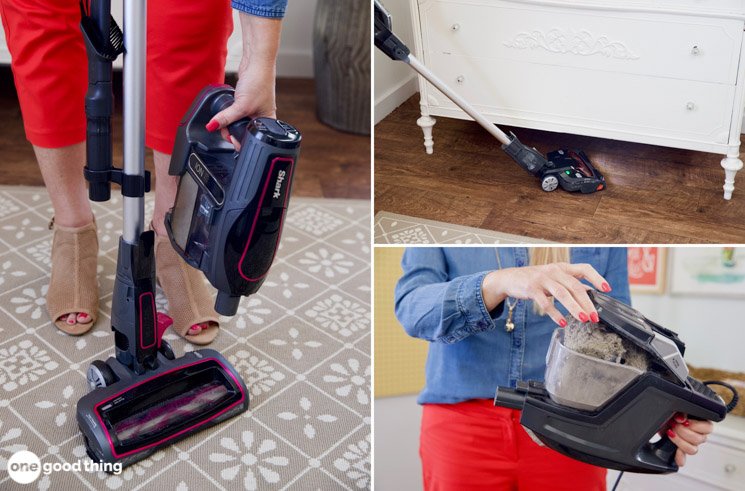


Vacuum cleaners are one of the most important cleaning tools in any home. In addition to keeping carpets clean, today’s vacuums have other useful applications, such as cleaning hard floors and cleaning upholstery. And a vacuum is one of the more expensive cleaning tools you really can’t go without, so it’s important to protect your investment by taking good care of it.
Unfortunately, many people make costly vacuum mistakes over and over again. Some of those mistakes are expensive because they can ruin the vacuum, while others are expensive because they trick people into thinking they need a new vacuum when their current one just needs a little TLC. But the good news is that both types of mistakes are completely avoidable.
Today I’ll share five of the most common (and expensive) vacuum mistakes. Avoiding these five things can help ensure your vacuum serves you well for years to come.
5 Costly Vacuum Mistakes That Are Surprisingly Common
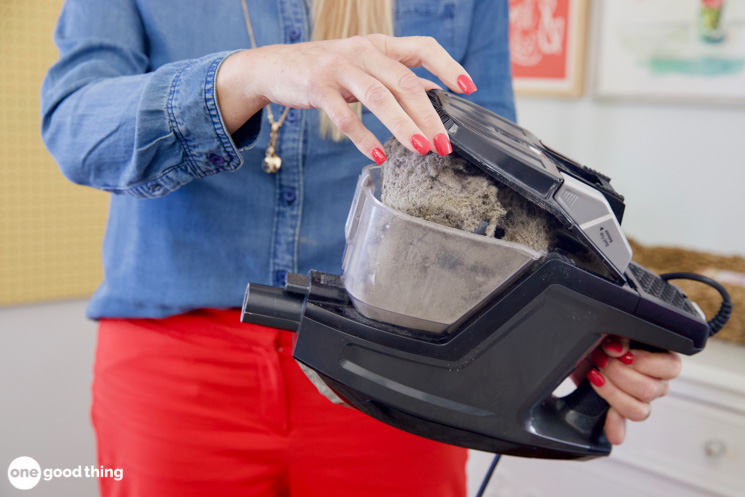
1. Failure to empty the dust cup regularly
If you do not empty the dust cup regularly, your vacuum will not function properly. If you run the vacuum with the dust cup full, not only will it be less effective, but the motor may overheat due to restricted airflow. The easiest way to ensure this doesn’t happen is to make a habit of emptying your vacuum’s dust cup before or after each use.
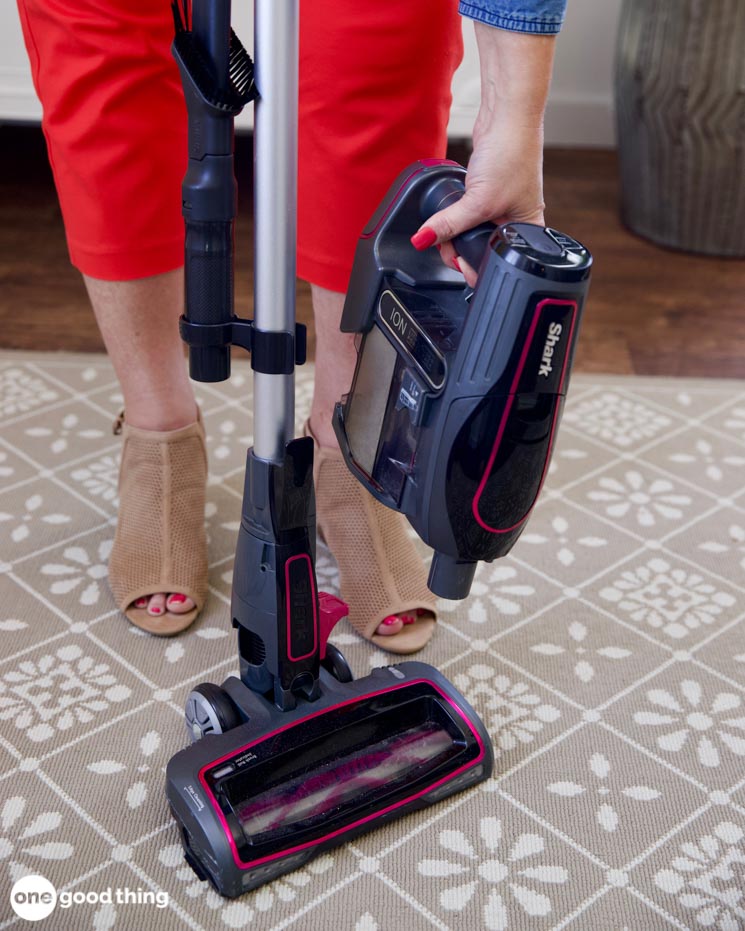
2. Loss of suction means the vacuum is broken
If your vacuum suddenly experiences a loss of suction while you’re using it, don’t panic—there are many reasons why that could happen, and not all of them mean your vacuum is lost. Before you do anything else, try all of the following:
- Empty the dust cup
- Inspect the hose for clogs
- Check the connection between the hose and the vacuum for clogs
- Inspect the brush roll And remove anything wrapped around it
In many situations, addressing these issues will resolve the problem and get your vacuum working again. If not, a good next step would be to contact a vacuum repair service to see if they can help.

3. Assuming the motor is dead
If your vacuum overheats and shuts down, all is not lost. Many vacuums have an auto-shutoff feature to help prevent something fatal from happening to your vacuum.
First, try the same steps I recommended for loss of suction under item #2 above. Then check your vacuum’s user manual for instructions on resetting your vacuum. (If you don’t have a paper copy of the user manual, you can always look it up online using your vacuum’s make and model number.)

4. Vacuuming stuff you shouldn’t
A vacuum is a great tool for picking up everyday dust and dirt, but it’s not designed to handle everything that might be on your floor. Vacuuming What You Shouldn’t Do is one of the fastest and most effective ways to break a vacuum. For a list of things you shouldn’t vacuum, check out my post at the link below.
Read more: 7 Things You Should Never Vacuum Up and Why

5. Failure to clean the filter
Every vacuum has a filter or series of filters that trap fine dust and dirt particles. These filters help Prevent dust By recirculating the air, however, if those filters are already full of dust, they may not work properly.
The procedure for cleaning vacuum filters will be different for each model. Some have washable filters, some have filters that need to be changed every few months, and some have a combination of both washable and disposable filters. See instructions on filter maintenance in your vacuum’s user manual.
Hopefully these tips will help you avoid future vacuum disasters. But if you find yourself in the market for a new vacuum, be sure to check out my vacuum recommendations at the link below! 🙂
Related: The best corded and cordless vacuums that are truly affordable
Do you have any tips for keeping your vacuum cleaner working properly?



